Walking into a store lined with colorful butter sticks feels like finding a small treasure. Each variety brings its own character, and swapping one for another can change flavors and textures in an instant. For home cooks and recipe experimenters, that simple substitution turns ordinary meals into memorable dishes. Learning how to measure and convert butter accurately helps you shop confidently and cook with precision. Read on to master common butter measurements and avoid guesswork in the kitchen.
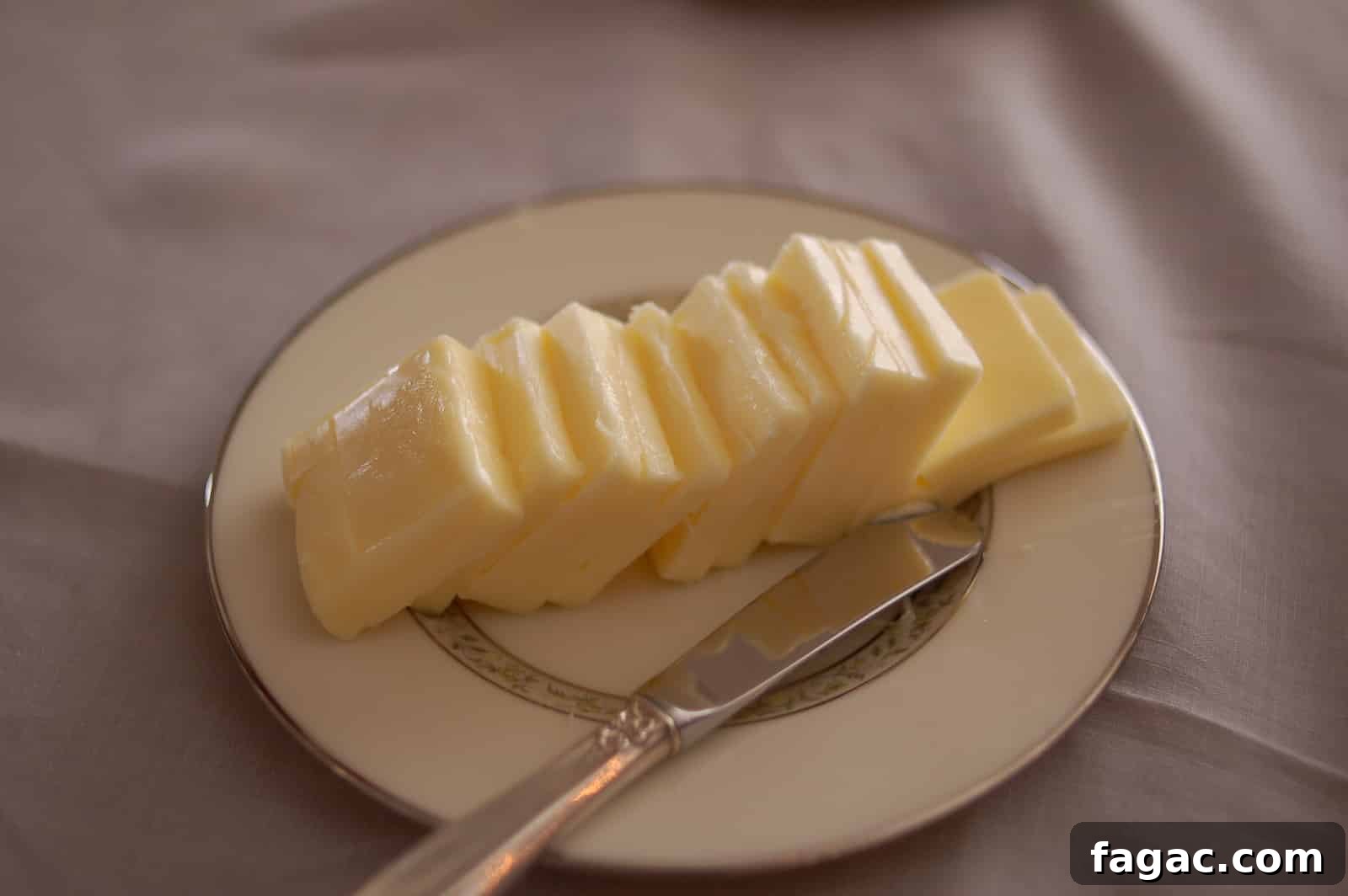
Most butter sold in sticks has similar packaging and form: the familiar rectangular stick wrapped for easy measuring.
Recipes often list amounts in teaspoons or tablespoons. If you encounter a recipe that uses sticks of butter, how do you convert between these units?
Whether you’re a professional cook or a home baker, keeping track of teaspoons, tablespoons, sticks, and pounds is essential when ingredient units differ. This guide covers the common conversions and practical tips so you can follow recipes without hesitation.
So, how many teaspoons are in a stick of butter?
A standard stick of butter equals 24 teaspoons.
That corresponds to 8 tablespoons.
Some brands sell different sizes and packaging, and measurements by weight or volume can vary slightly by country. Still, the standard U.S. stick is the simplest reference for conversions and everyday baking.
This article will explain the conversions and show how to use them in recipes, helping you shop for butter and measure confidently when cooking.
What is a stick of butter?
A stick of butter is a common unit of measure in the United States equal to 1/4 pound or 4 ounces. Butter is often sold in half-pound (two sticks) and one-pound packages; individual sticks are also sold separately and are usually found near margarine in grocery stores.
In metric terms, one standard U.S. stick of butter is 113 grams. Depending on the country, the exact gram amount can vary slightly, but the U.S. convention of one stick equaling 8 tablespoons is widely used in recipes.
The nutritional content of a stick of butter differs by brand, but butter generally provides fats, small amounts of protein from milk solids, calcium, and vitamin A.
How do I convert sticks of butter to tablespoons and teaspoons?
Here are the most useful conversions when a recipe uses sticks but your measuring tools are spoons:
1 stick of butter = 8 tablespoons
1 stick of butter = 24 teaspoons
3/4 stick of butter = 6 tablespoons (18 teaspoons)
2/3 stick of butter = 5 1/3 tablespoons (16 teaspoons)
1/2 stick of butter = 4 tablespoons (12 teaspoons)
1/3 stick of butter = 2 2/3 tablespoons (8 teaspoons)
1/4 stick of butter = 2 tablespoons (6 teaspoons)
To convert, multiply sticks by 8 to get tablespoons and by 24 to get teaspoons. For example, a recipe calling for 1/2 stick requires 4 tablespoons (1/2 × 8) or 12 teaspoons (1/2 × 24). Since 1 tablespoon equals 3 teaspoons, you can also switch between spoon units as needed.
How many tablespoons in a stick of butter?
One stick of butter equals 8 tablespoons, which is also 1/2 cup. For fractional amounts: 3/4 stick = 6 tablespoons; 2/3 stick ≈ 5 1/3 tablespoons. Use standard U.S. tablespoons for consistency — a level tablespoon equals 15 milliliters and is commonly used in recipes.
When measuring with tablespoons, fill the spoon consistently (level, not heaping) to maintain accuracy. If a recipe provides metric amounts, remember that 1 tablespoon ≈ 15 ml to convert between systems.
How many teaspoons in a cup of butter?
There are 48 teaspoons in one cup of butter. A standard U.S. cup is 8 fluid ounces or approximately 236.6 milliliters. Since one cup equals two sticks of butter, and each stick has 24 teaspoons, a full cup contains 48 teaspoons.
If you measure in teaspoons, use a standard teaspoon of about 5 ml. Accurate measuring tools or graduated containers are helpful when working with nonstandard cup sizes or when precision matters in baking. For example, 1/3 cup of butter equals about 16 teaspoons (or approximately 5 1/3 tablespoons).
What should I do if I use the incorrect amount of butter in a recipe?
Mistakes happen. How you fix them depends on the dish and whether you added too much or too little butter.
If you added too much butter
In batters or doughs that should be drier, add more dry ingredients like flour to balance moisture. For sweet doughs, a bit more powdered sugar can help. If you’re making a sauce, simmering longer can reduce excess liquid as water evaporates and the sauce concentrates.
If you added too little butter
You can often substitute another fat such as oil, margarine, or cream to make up the difference, though flavor and texture may change slightly. In some baked goods, increasing sugar or another binder may partially compensate, but results will vary by recipe.
Adjusting other ingredients
Balancing recipes is about ratios. Increasing butter may require reducing liquids to keep dough or batter consistency correct; decreasing butter may mean adding a complementary fat or adjusting other ingredients to preserve texture. Small trial-and-error adjustments are sometimes necessary when modifying a recipe.
Frequently asked questions (FAQs)
Are tablespoons better than teaspoons for measuring ingredients?
Both have their place. Tablespoons are larger and often more convenient for measuring sizable amounts, making them generally more accurate for those quantities. Teaspoons suit small volumes. Use the unit the recipe specifies or convert carefully if substituting.
How many grams is a stick of butter?
A standard U.S. stick of butter equals 113 grams. Packaging and regional standards can vary, so check the label when precision is important.
Can I use a different size spoon to measure my ingredients?
You can, but you must convert correctly. If your spoon is smaller or larger than the standard, adjust the count so the total volume matches the recipe. For consistent baking results, standard measuring spoons are recommended.
What happens if I use the wrong measurement of butter in my recipe?
Using too much butter can make baked goods greasy or cause them to spread too much. Using too little can make items dry or crumbly. Small deviations may be manageable, but precise recipes benefit from accurate measurements.
Are butter sticks all the same?
No. Butter sticks vary by country and brand. In the United States, a stick is typically 1/2 cup (4 ounces). Other regions use different sizes and packaging, so always check the weight or volume on the label when following international recipes.
Does the state of butter affect the measurements?
Yes. Melted butter and solid butter occupy different volumes: one cup of melted butter is not the same as one cup of solid butter. Similarly, grated butter packs differently than cubed butter. For the most accurate results, follow the form of butter specified in the recipe (melted, softened, grated, or solid).
To conclude
Remember the key conversions: one stick of butter equals 8 tablespoons or 24 teaspoons, and one cup equals two sticks or 48 teaspoons. Multiply sticks by 8 for tablespoons and by 24 for teaspoons. Use standard measuring spoons or a kitchen scale for reliable results, and adjust other ingredients thoughtfully if measurements need correction. With these conversions, you can confidently measure and adapt butter amounts for any recipe.
Related Posts
Dirty Fries Recipe

How To Sear Meat?
Well-Done Pork: What Temperature Do You Cook Pork On?
Does Vinegar Go Bad?