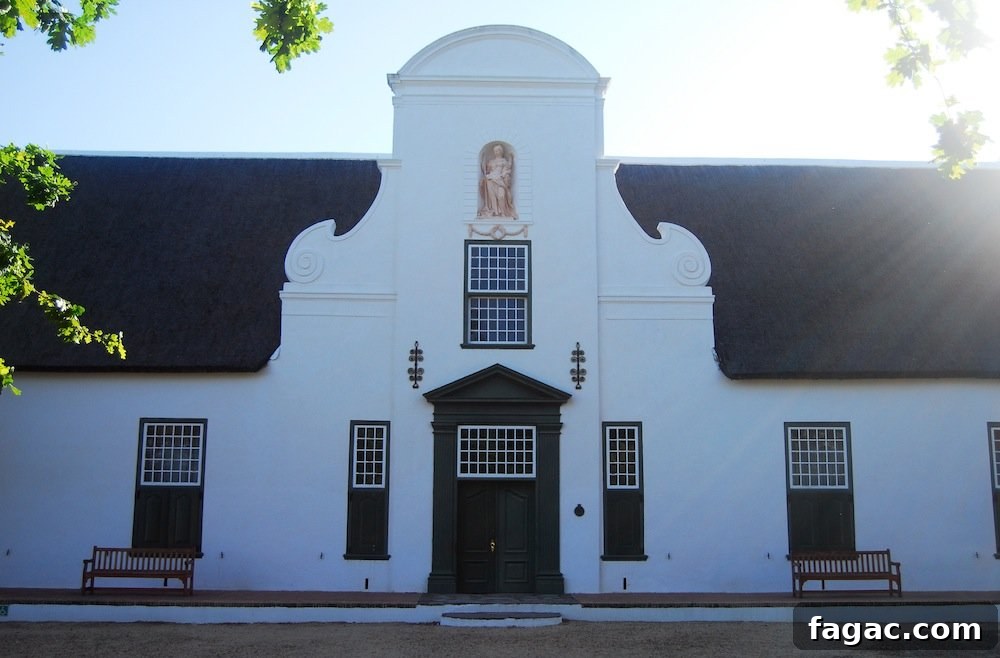
READ THIS BEFORE YOU SCROLL.
HEY. YOU. STOP. Read this first!
Some photos in this post may look graphic at first glance, but they are not. The images show wax models and staged scenes from a museum exhibition recreating a historic medical event. I was not present for any real surgeries. If medical imagery unsettles you, consider this your warning — the displays are realistic but not truly graphic.
With that out of the way, feel free to continue.
My fiancé and I spent a day at the Heart of Cape Town Museum. It’s close to our neighborhood and celebrates the world’s first human heart transplant, which was performed in Cape Town, South Africa.
At the time, several hospitals could technically perform a heart transplant, but few were willing to attempt it. The conditions needed for a transplant were extremely specific: a brain-dead donor with a functioning heart, consent from the donor’s family, and a matching recipient in the same hospital. Even when surgeons could carry out the operation, reliable methods to prevent organ rejection were not yet established, so outcomes were uncertain.
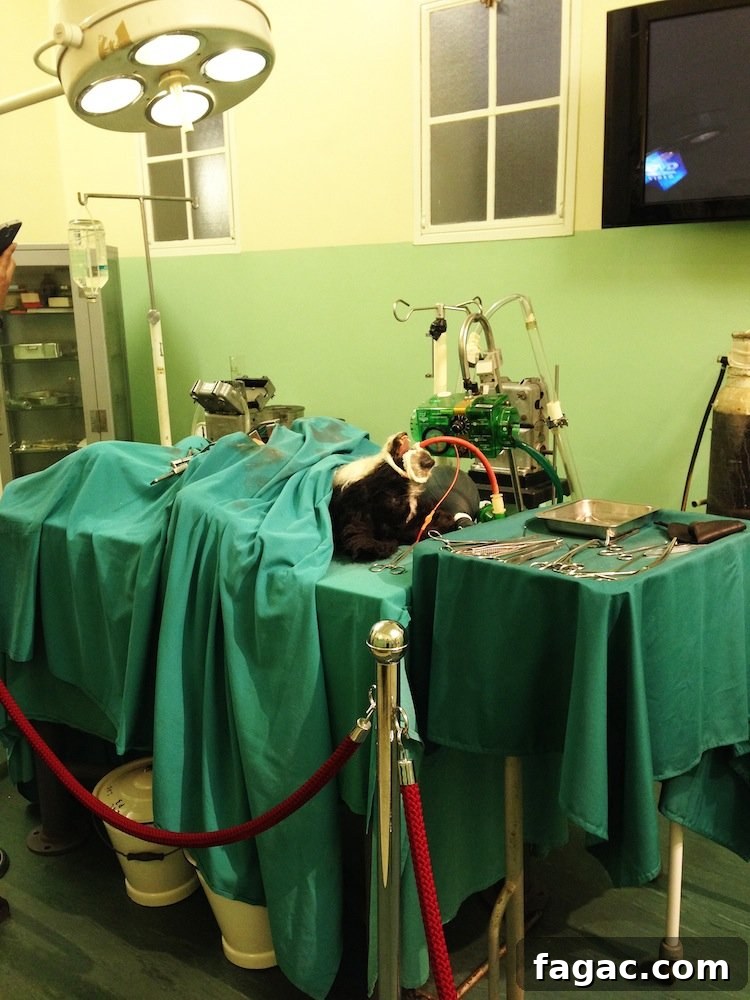
Surgeons had practiced transplants and other cardiac procedures extensively on dogs. Christiaan Barnard reportedly performed more than fifty heart transplants on dogs before operating on a human. The museum includes a staged scene showing a dog in surgery, and it’s housed in the very suite of rooms where the actual operations once took place.
On December 2, 1967, 25-year-old Denise Darvall and her mother were struck by a drunk driver after leaving a bakery. Denise’s mother died at the scene; Denise suffered severe head injuries and was declared brain dead at Groote Schuur Hospital. Although she could be kept alive on life support, she would never regain consciousness. With consent from her father, Denise’s heart and kidneys were donated and she was taken off life support.
The heart recipient was Louis Washkansky, a man who had been active earlier in life but later developed diabetes and suffered multiple heart attacks that led to congestive heart failure. Louis was hospitalized when Denise arrived at Groote Schuur. Because Denise was otherwise healthy and had a beating heart despite being brain dead, she was an ideal donor. After securing consent from Denise’s father and getting Louis’s immediate agreement to receive the transplant, Christiaan Barnard proceeded with the operation. Barnard later reflected that a dying man’s choice is easier to make, comparing it to leaping into a crocodile-filled river when chased by a lion — one takes the chance because it might offer a way through.
The donor and recipient were in adjacent operating theaters, so the heart needed only to be moved a few feet. The museum includes a detailed recreation of that moment and of the surgery itself.
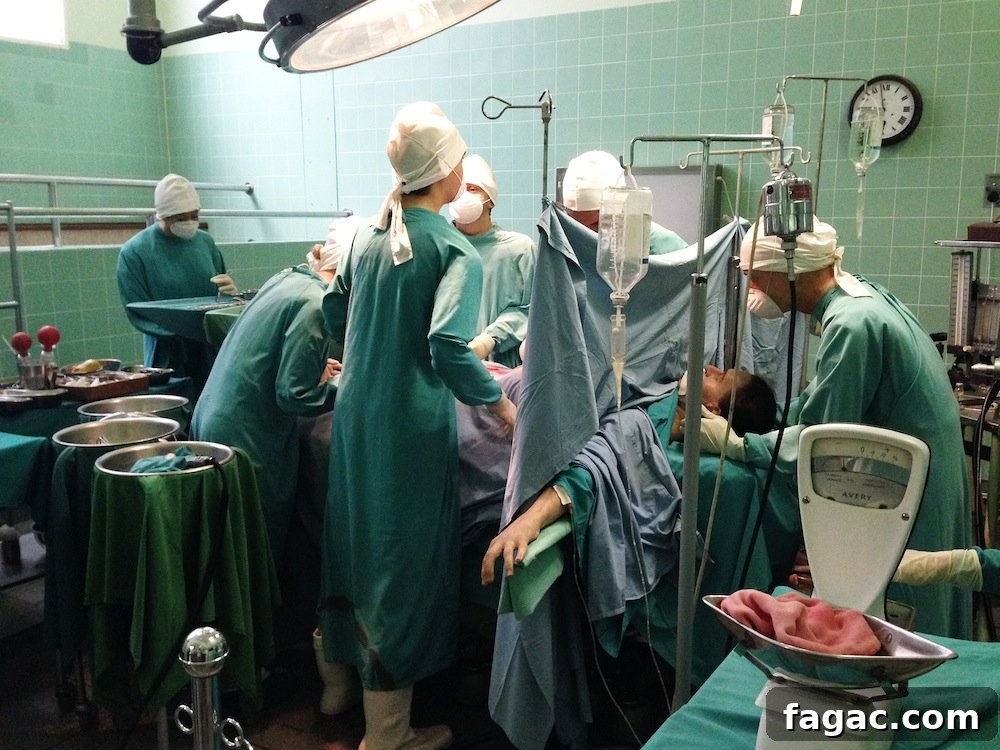
The life-like recreations in the museum are convincing, to the point of being slightly unsettling. I felt a bit queasy during much of the tour, but the attention to detail is remarkable.
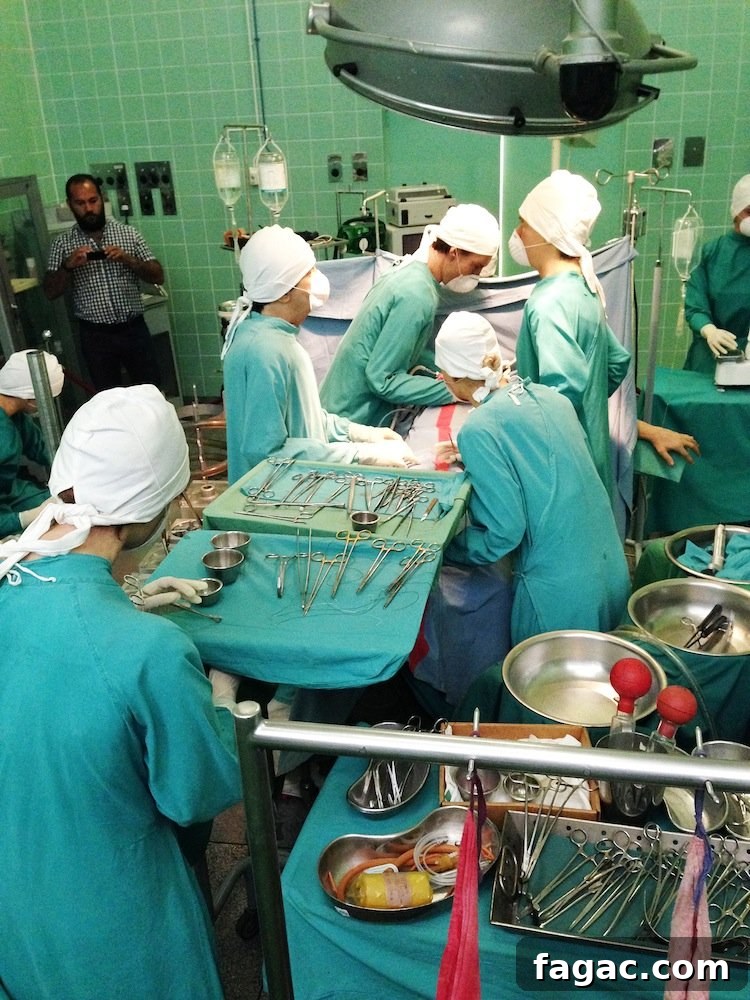
The transplant surgery took nine hours and was declared a success. Barnard later described the moment he saw the heart beating in its new chest as one of the proudest of his life. Louis woke less than two hours after surgery and spoke with his doctors.
To reduce the risk of rejection, Barnard’s team used powerful immunosuppressive drugs. Despite careful precautions, Louis developed pneumonia and died 18 days after the operation. Even so, the transplant was widely recognized as a landmark achievement in medicine.
Barnard continued his work and achieved greater survival with subsequent patients; one lived 19 months after transplant, and another went on to survive for 23 years. The museum features a recreation of Barnard at his desk, capturing the atmosphere of those intense years.
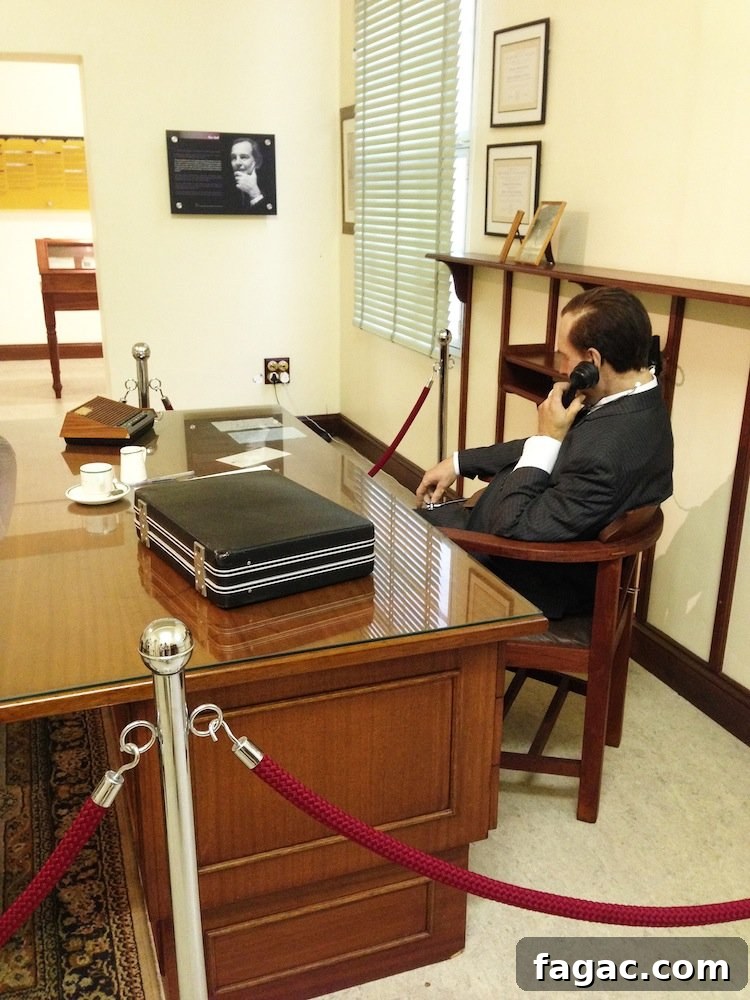
The first heart transplant made international headlines and is often credited with encouraging other surgeons to attempt the procedure. Within days, transplants were being tried elsewhere, including Brooklyn, New York. Early outcomes were mixed because immunosuppressive therapy was still in its infancy, and many patients did not survive long. The procedure became more common only after safer, more effective drugs were developed.
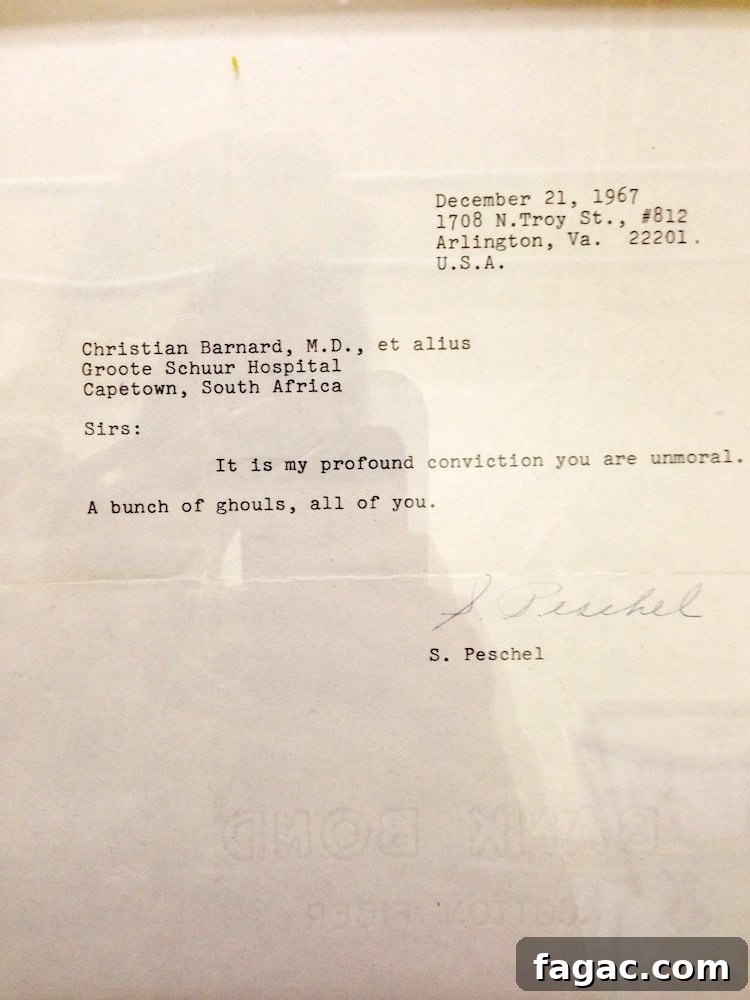
Barnard faced criticism alongside praise. The museum displays letters he received, including some harsh responses. One brief, blunt note on display made me smile at its terseness.
The museum also highlights the story of Hamilton Naki, a black laboratory assistant who rose to significant responsibility in the lab during apartheid-era South Africa. While some accounts have exaggerated his role in the first transplant, Naki did perform vital surgical and laboratory work and became the principal surgical assistant in Barnard’s lab. He began with animal care duties, progressed to administering anesthesia, and later taught and assisted in complex procedures. Barnard later said that, given the chance to study formally, Naki would have made an outstanding surgeon.
The Heart of Cape Town Museum is thoughtfully curated and led by knowledgeable guides. The tour lasts about two hours and includes two films, recreations of Denise’s childhood bedroom, Louis’s recovery area, and the actual operating rooms where the historic surgeries occurred. Experiencing the exhibits in the original surgical suite adds a unique, authentic dimension.
If you’re in Cape Town, this museum is well worth a visit for its historical significance and the powerful, human stories it presents. Afterward, if your stomach can handle it, consider sampling local food in the nearby neighborhood — just be mindful if any of the realistic surgical scenes left you queasy.