There are many kinds of chocolate available today, and consumers are becoming more selective about what they buy. So what separates good-quality chocolate from inferior products?
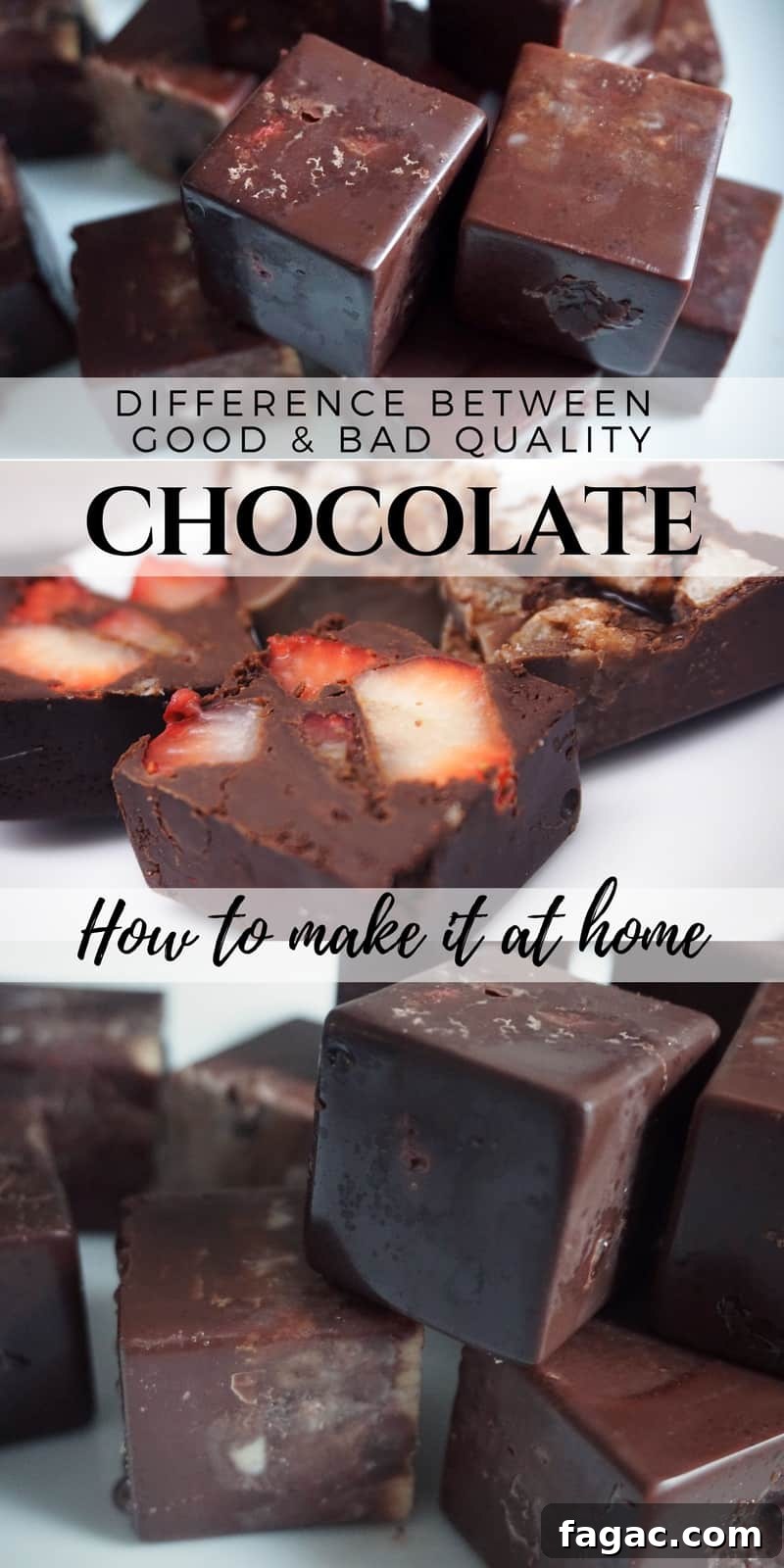
Two key factors determine chocolate quality. First, cocoa solids content: chocolates with less than 50% cocoa solids often lack real chocolate flavor and rely on added sweeteners and artificial flavorings to compensate. Second, cocoa butter content: some manufacturers replace cocoa butter with cheaper vegetable oils, and they may add artificial flavors and inexpensive sweeteners like corn syrup to mask inferior taste.
Common ingredients in low-quality chocolate
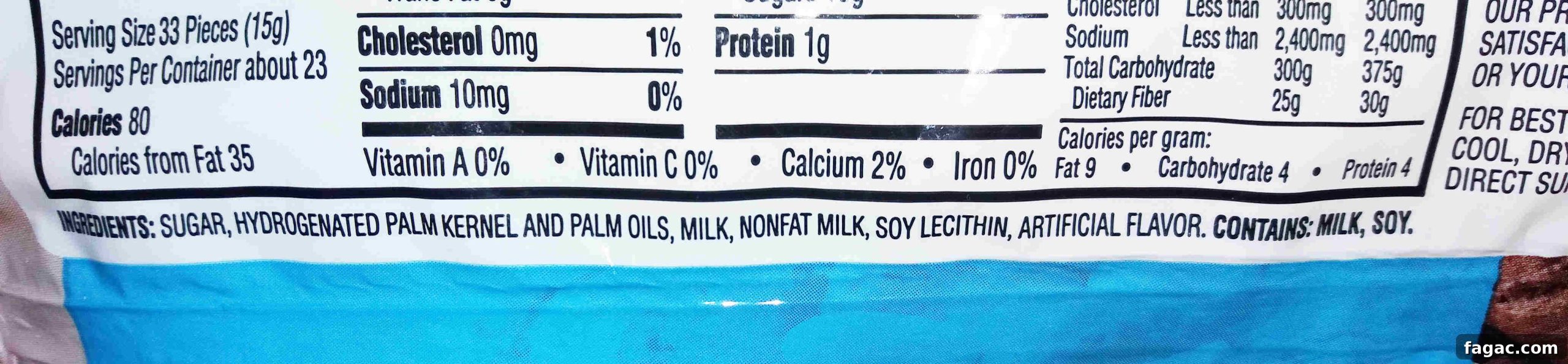
Many commercial chocolates also include emulsifiers such as soy lecithin to prevent fat separation. While effective, lecithin can be sourced using solvents and may come from genetically modified soybeans treated with herbicides. Even some organic, fair-trade brands use organic soy lecithin, which some consumers prefer to avoid.
What to look for on a high-quality chocolate label
When choosing chocolate, seek simple ingredient lists with recognizable items: cocoa or cacao, cocoa butter, and a natural sweetener if needed. Minimal additives and clear cocoa percentages are signs of better quality.

Note the terms cocoa and cacao. Raw cacao powder comes from cold-pressed, unroasted cocoa beans; the process preserves enzymes and removes the fat (cacao butter). Cocoa powder is the roasted form of cacao and undergoes higher temperatures. If you want the potential health benefits associated with “raw” chocolate, look for raw cacao products.
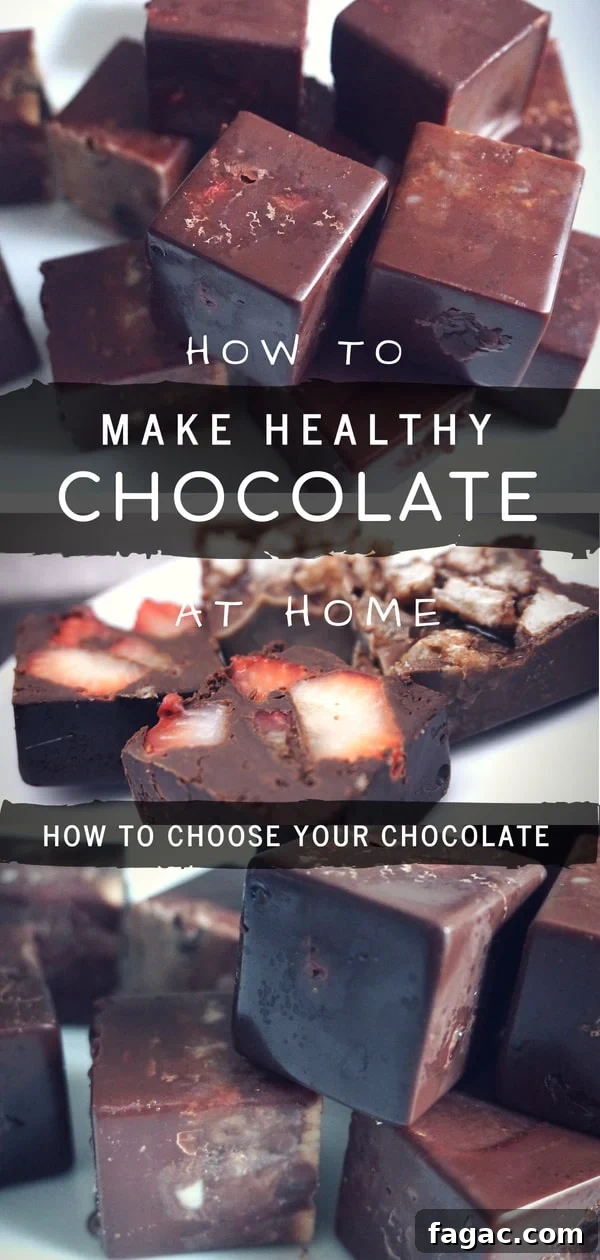
Making chocolate at home is straightforward and lets you control ingredients. You only need three basics: cacao butter, cacao powder, and a sweetener such as honey, maple syrup, or agave. Combine melted cacao butter with your sweetener, whisk in cacao powder, and pour into molds. Silicone molds are handy because they release chocolates easily, but you can also use a baking sheet lined with parchment.
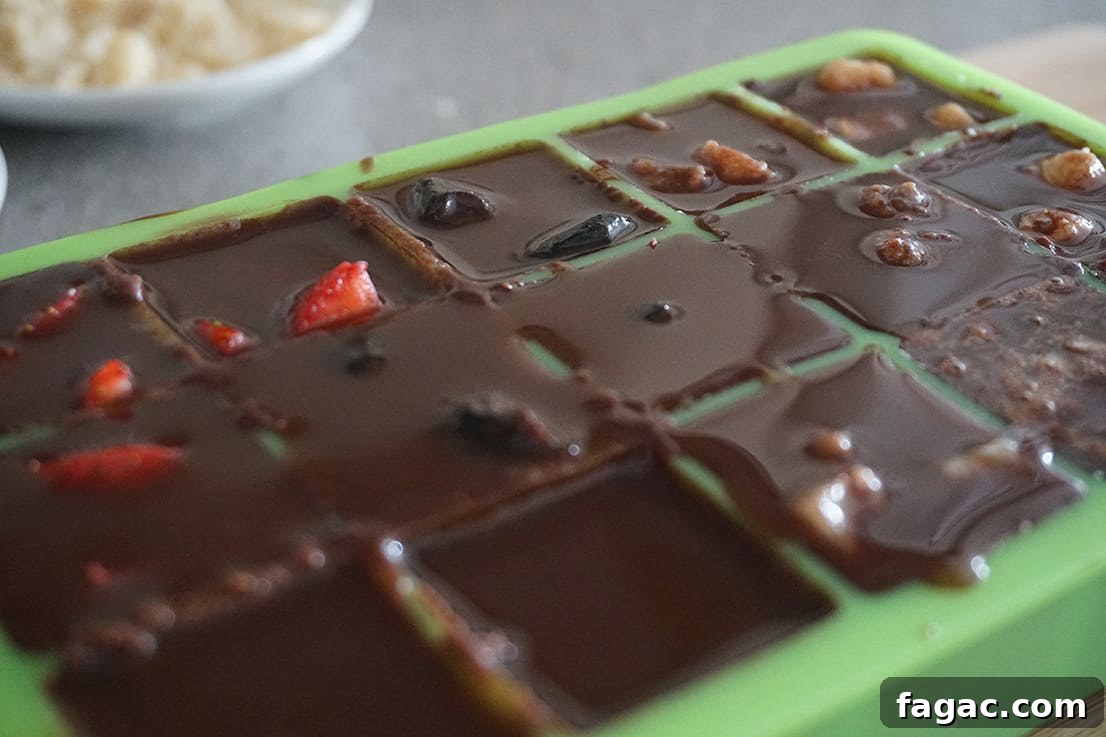
If you don’t have molds, spread the chocolate on a lined baking sheet and sprinkle with roasted nuts—almonds, cashews, hazelnuts, or walnuts add welcome crunch. A small pinch of salt enhances sweetness and flavor.
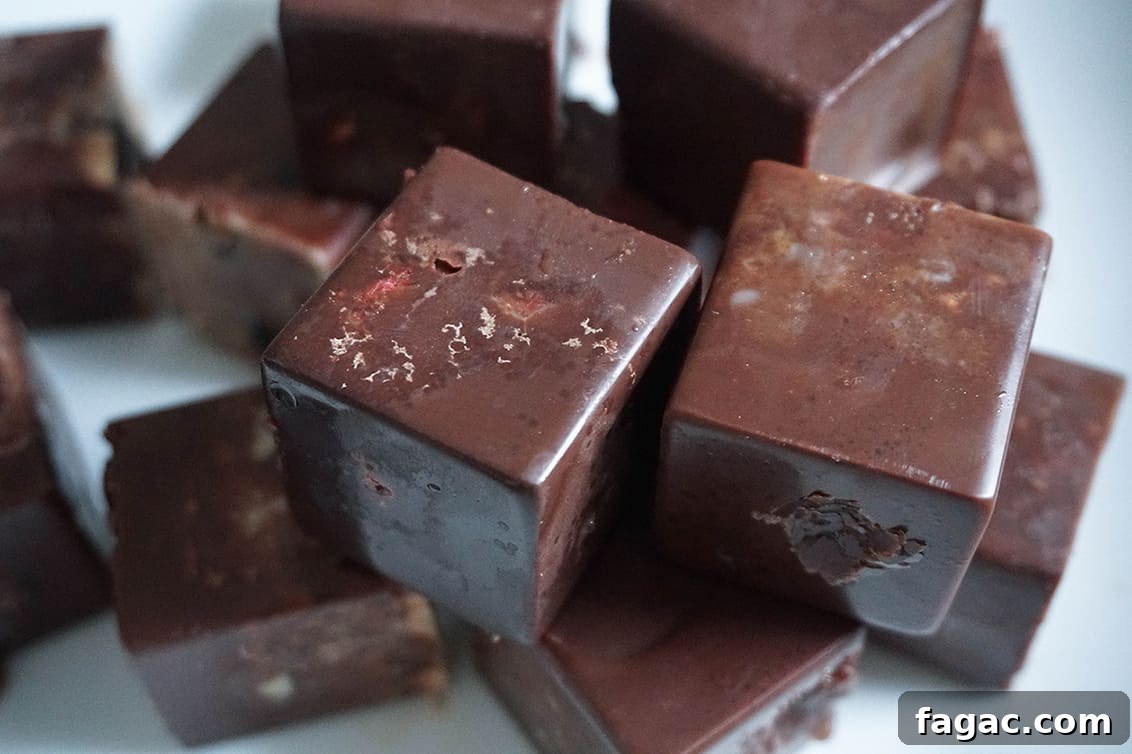
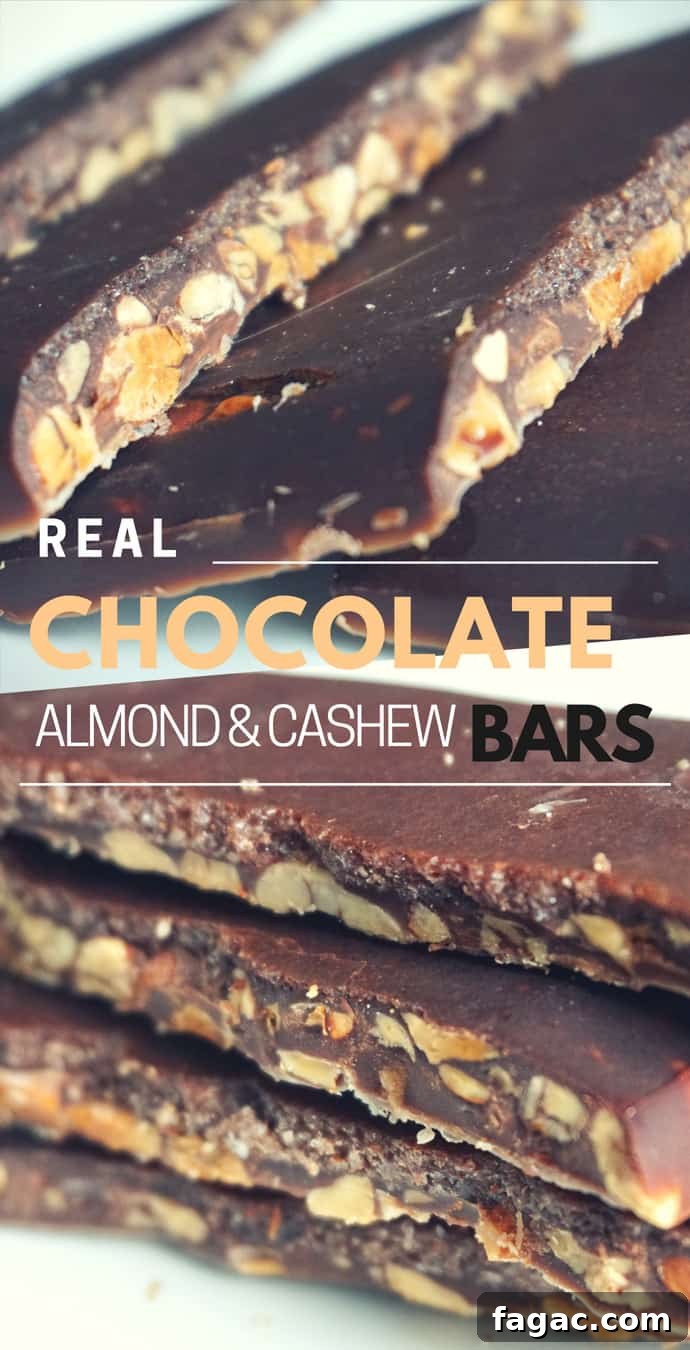
Store homemade chocolate in the refrigerator until ready to eat. It keeps best chilled and can be made with various fillings and toppings to suit your taste. Below is an example of homemade chocolate with roasted almonds and cashews for texture and flavor.
When buying commercial chocolate, choose brands with minimal additives and clear listings of cocoa or cacao content. Higher-quality chocolates are often pricier, but the ingredients and flavor usually justify the cost.
Print Recipe
How to Make Healthy Chocolate At Home + Filling Ideas
40 mins
5 mins
45 mins
8 Cubes
Ingredients
- 1 Cup cacao butter
- ¼ Cup honey raw organic, adjust to preferred sweetness
- ¾ Cup cacao powder organic
- Pinch of salt
- 1 Tbsp vanilla infused oil optional
- Fillings: fresh strawberries, dried prunes, toasted coconut chips, dried pineapple, macadamia nuts, roasted almonds, roasted cashews
Instructions
-
Melt cacao butter in a double boiler or a glass bowl set over a small saucepan with an inch of simmering water.
-
Remove from heat, whisk in honey until smooth, then add cacao powder and vanilla. Whisk thoroughly until fully combined.
-
Taste and adjust sweetness if desired.
-
Pour chocolate into molds or spread on a parchment-lined baking sheet. If using molds, fill 3/4 full, add fillings, then top with remaining chocolate.
-
Tap molds lightly to remove air bubbles and refrigerate 30–60 minutes until firm. For sheet method, top with roasted nuts before chilling.
-
Once set, remove from molds or break into bars. Store in an airtight container in the refrigerator for best freshness (2–3 weeks).
Notes
Nutrition
The information shown is an estimate provided by an online nutrition calculator.
If you try this recipe, leave a comment to share how it turned out and tag a photo on Instagram with #healthytasteoflife—I’d love to see your creations.
More Chocolate Recipes:
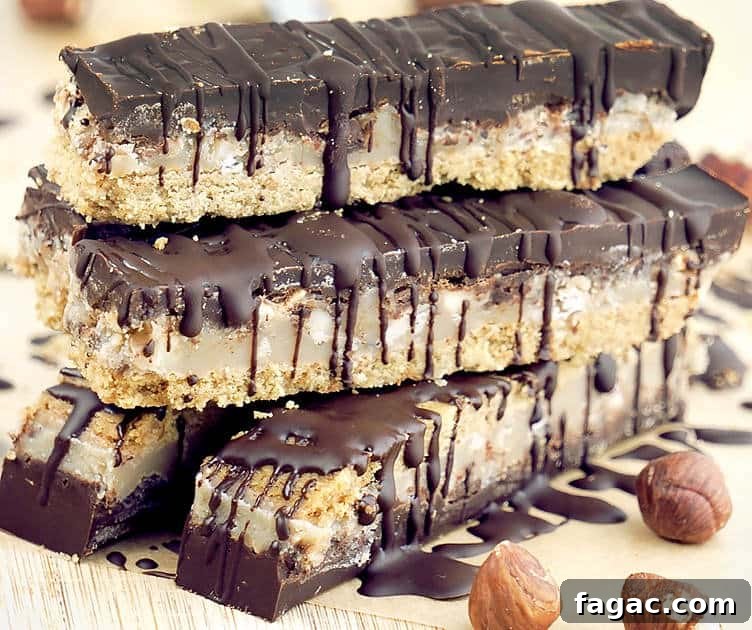
Chocolate Caramel Slice / Bars (Gluten Free, Dairy Free, Vegan)
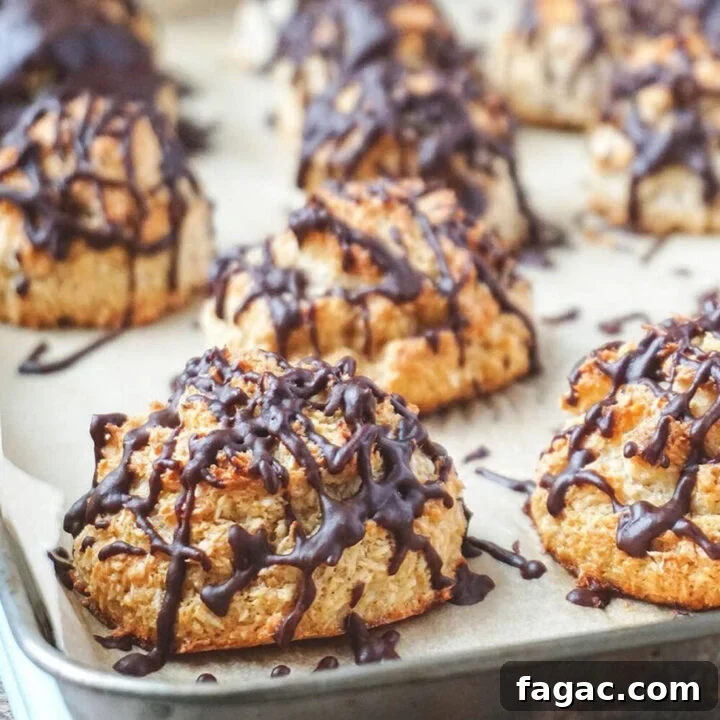
Moist Gluten Free And Dairy Free Coconut Macaroons
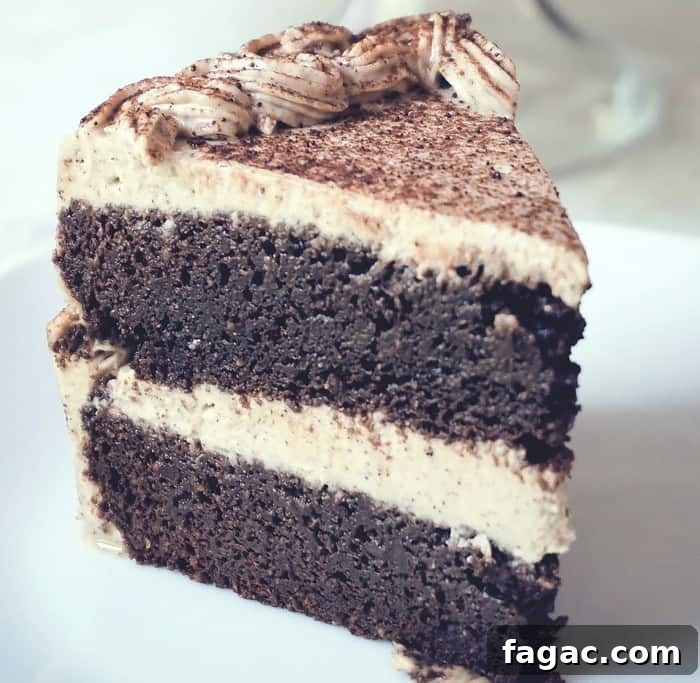
Mocha Carob Cake (Gluten-Free, Dairy-Free, No Refined Sugar)