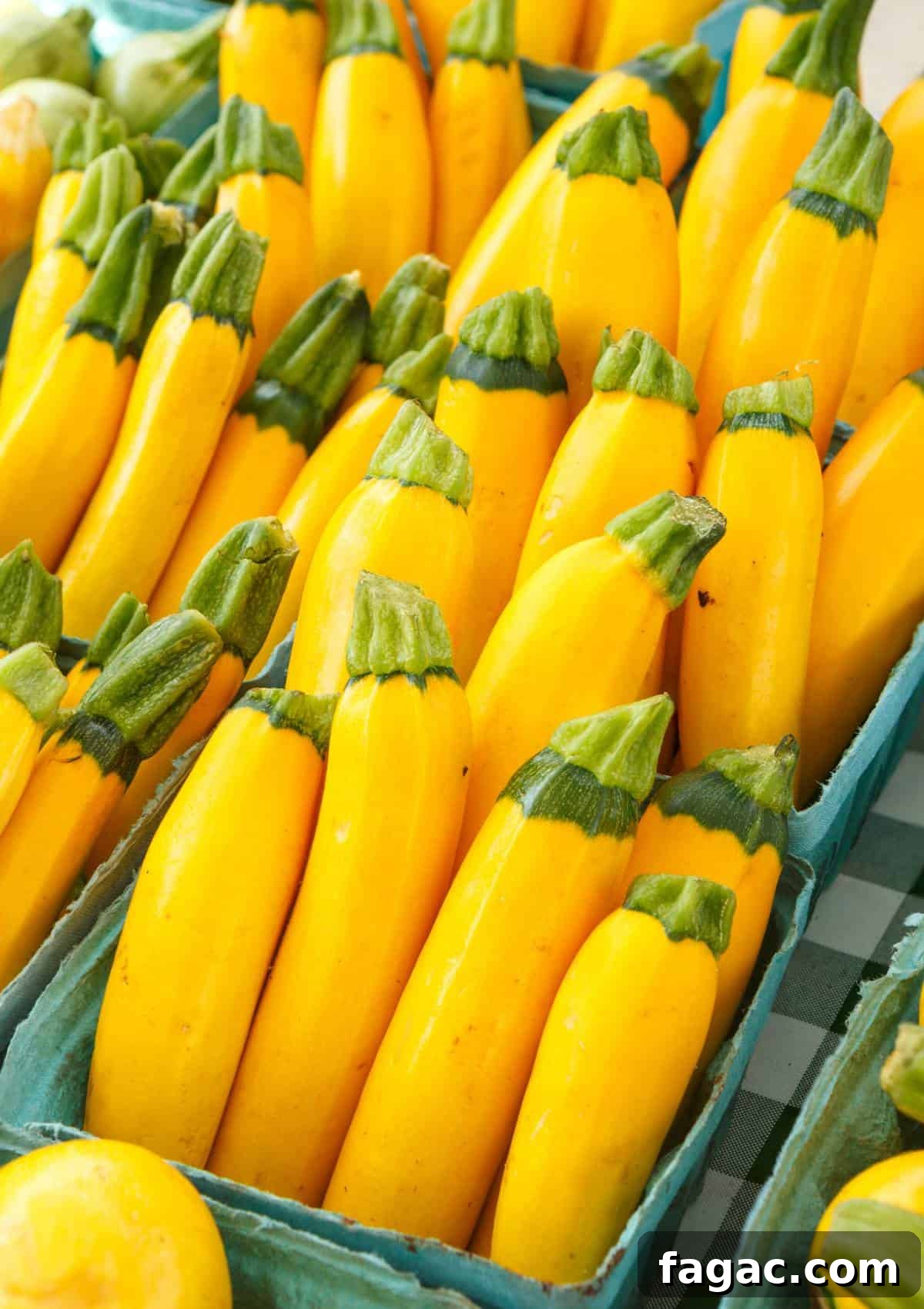
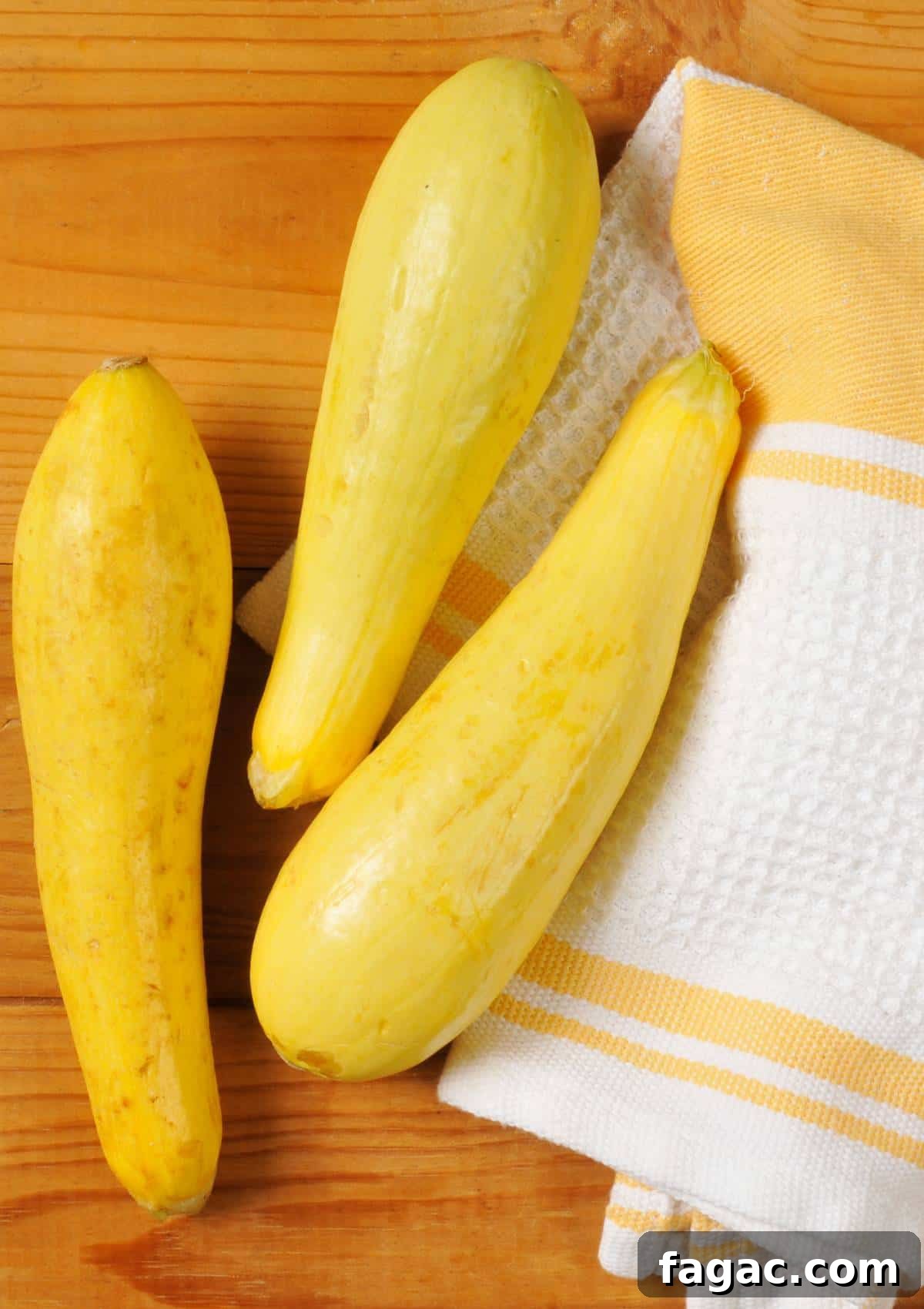
Enjoying tender-crisp summer squash is one of the highlights of warm-weather cooking. Freezing summer squash is a simple, effective way to preserve its fresh flavor and texture so you can enjoy it all year. Below are clear, practical methods and tips to help you freeze summer squash correctly and get the best results when you use it later.
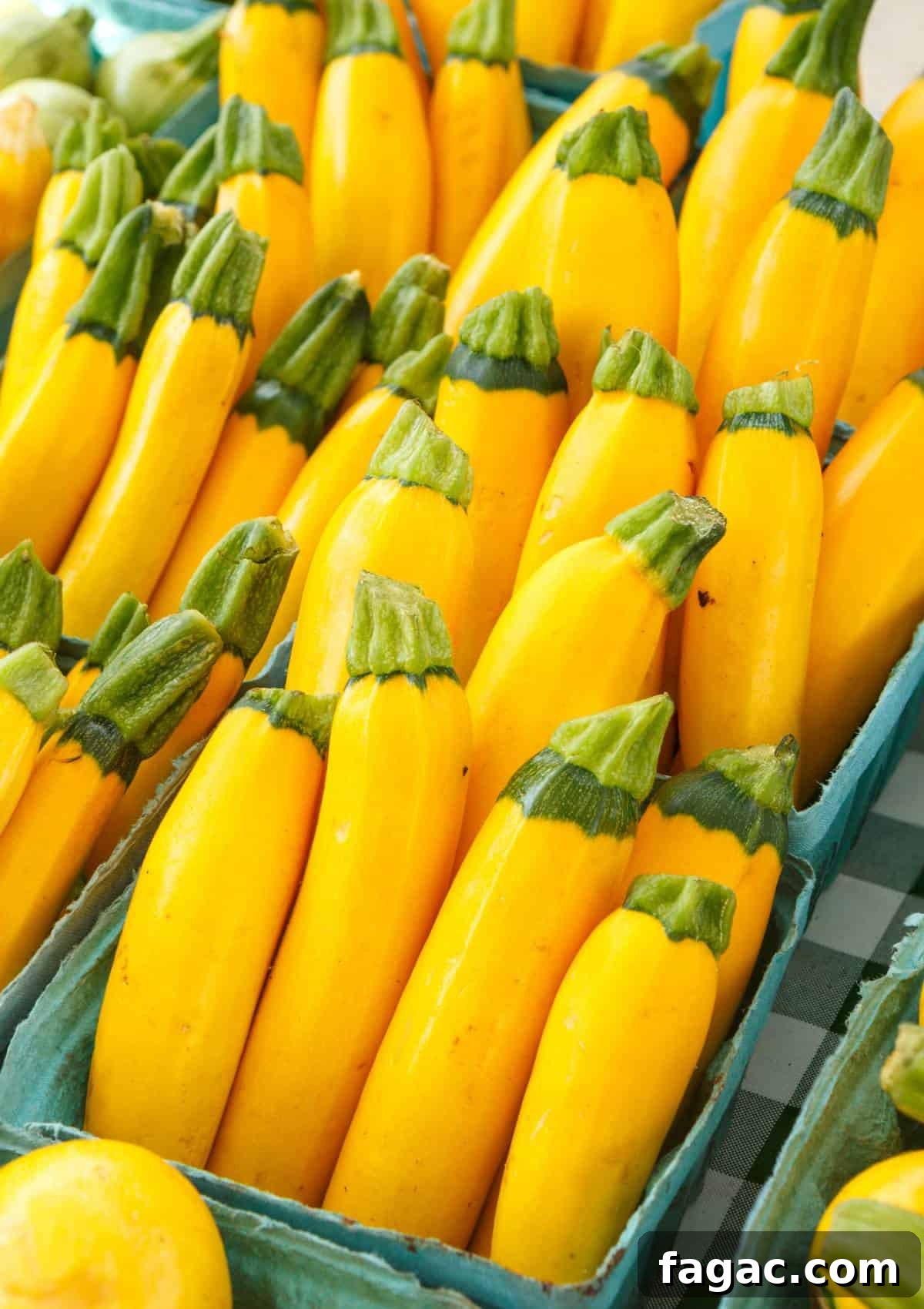
Freezing summer squash
There are three easy, reliable ways to freeze summer squash. Each method preserves the vegetable differently, so choosing the right approach depends on how you plan to use the squash later. Below are step-by-step instructions for freezing whole or sliced squash, blanching, and grating. These techniques apply to common varieties such as yellow squash and zucchini.
Method 1: Whole or sliced summer squash
This is the quickest and simplest method. Freeze the squash whole or slice it before freezing to make portioning easier later.
Step 1: Wash the summer squash thoroughly and dry it to remove dirt and excess moisture.
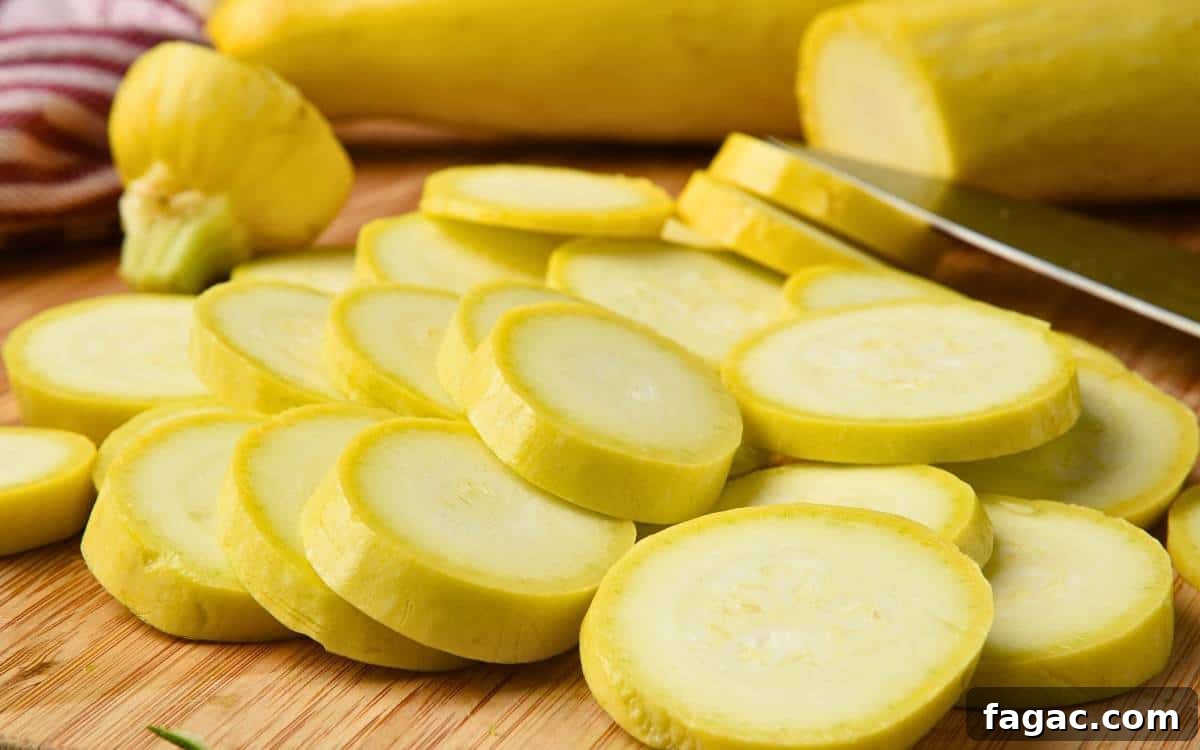
Step 2: If you prefer, slice or dice the squash into uniform, bite-sized pieces. Slicing makes it easier to add directly to cooked dishes and helps ensure more even freezing.
Step 3: Pack the pieces or whole squash into freezer-safe bags or containers. Press out as much air as possible, seal tightly, label with the date, and place in the freezer.
Method 2: Blanching
Blanching is a short cooking step that inactivates enzymes that can cause loss of flavor, color, and texture. Use this method when you want the frozen squash to retain a brighter color and fresher taste after thawing.
Step 1: Prepare an ice bath by filling a large bowl with cold water and ice.
Step 2: Wash the squash under cool running water and trim the ends.
Step 3: Slice or dice the squash evenly so pieces cook consistently.
Step 4: Bring a large pot of water to a rolling boil.
Step 5: Submerge the squash pieces in the boiling water for 1–3 minutes depending on size, then immediately transfer them to the ice bath to stop the cooking. Drain well, pat dry, and package in freezer-safe containers or bags, pressing out excess air before sealing.
Method 3: Grating and freezing
Grating is a great option if you plan to use the squash in recipes that call for shredded squash, such as quick breads, muffins, fritters, or smoothies. This method is fast and space-efficient.
Step 1: Grate the squash using a box grater or food processor.
Step 2: Place the grated squash into freezer-safe bags or reusable silicone bags. For baked goods, you can portion into cup-sized amounts to match your recipes.
Step 3: Remove as much air as possible, seal tightly, label with the date, and freeze.
How to reheat and serve frozen summer squash
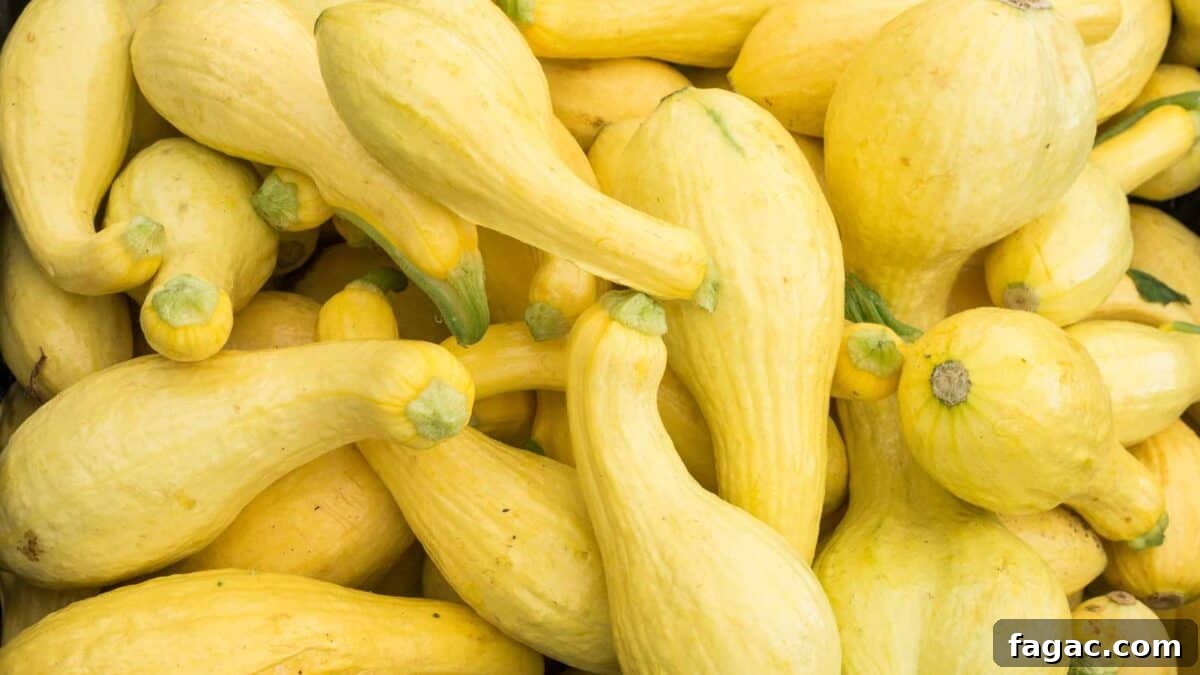
How you reheat or use frozen summer squash depends on the freezing method you chose. Here are guidelines to help you get the best texture and flavor in different dishes.
Whole or sliced
Whole or sliced squash can be used directly from frozen or thawed in the refrigerator overnight. If adding frozen squash to a hot pan or sauce, allow extra cooking time so it heats through and any excess moisture reduces. This form works well for pasta dishes, stir-fries, sautés, and vegetable medleys. A simple sauté in olive oil with garlic, salt, and pepper makes a fast, flavorful side. Finish with fresh herbs such as parsley or basil for brightness.
Blanched
Blanched squash can be thawed in the refrigerator, defrosted gently in the microwave, or added frozen to soups, stews, casseroles, and slow-cooked dishes. Because it has been partially cooked, blanching yields a more tender texture and preserves color, making it suited for recipes where appearance and a slightly firmer bite are desired.
“Frozen summer squash has saved me from dinner woes countless times. I usually end up with too much from my community-supported agriculture box and vegetable garden, so freezing it saves me from tossing it. It’s delicious in pasta, soups or as a side dish. We’ve even put it on pizza a few times.”
— Susannah Brinkley-Henry, Feast + West
Grated and frozen
Thaw grated squash in the refrigerator overnight or use the microwave defrost setting. Gently squeeze out any excess moisture before adding grated squash to batters, casseroles, or fillings to prevent sogginess. This form is especially convenient for baked goods and recipes that call for shredded squash.
Final thoughts
Freezing summer squash is an easy, practical way to stretch the season and keep this versatile vegetable on hand year-round. Choose whole or sliced freezing for quick additions to sautés and pasta, blanch when you want brighter color and firmer texture in prepared dishes, and grate when you plan to bake or use squash in mixed preparations. Proper packaging—removing air, labeling, and sealing tightly—will help preserve flavor and minimize freezer burn.
Try each method to see which matches your recipes and preferences best. With a little planning, you can enjoy the fresh taste of summer squash in a wide range of meals long after the harvest is over.