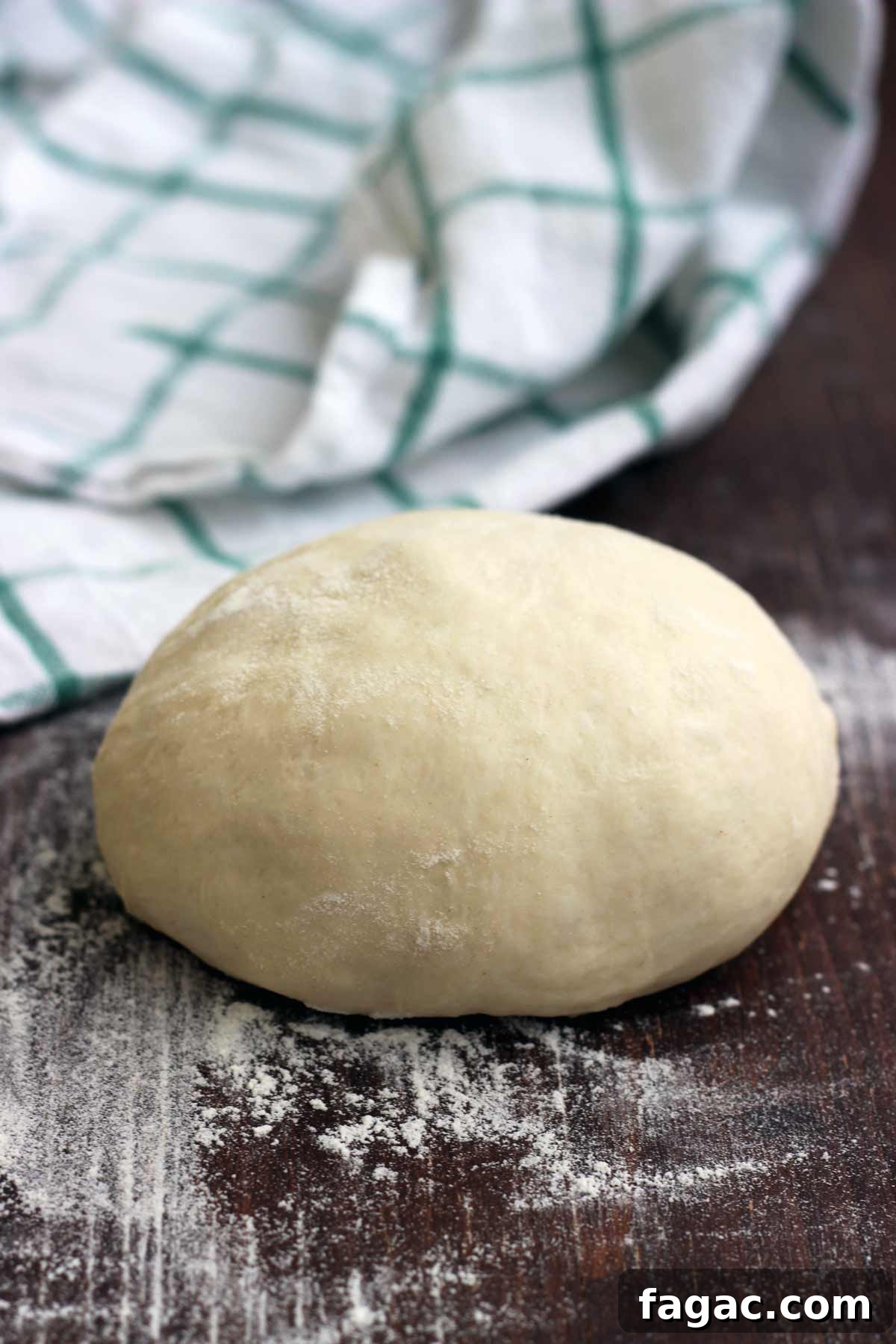
Foolproof Step-by-Step Homemade Pizza Crust Recipe: the only pizza crust recipe you’ll ever need — quick, easy, delicious and healthier than store-bought.
This homemade pizza crust recipe was developed by Jane Grates, a food and health enthusiast with years of practical kitchen experience. The method below focuses on simple ingredients, straightforward steps and reliable results: a thick, chewy crust with great texture that you can adapt to any toppings or dietary preference.
Why Make a Homemade Pizza Crust
Making pizza crust at home gives you control over ingredients, texture and freshness. Frozen and store-bought crusts are convenient, but they rarely match the aroma and crunch of a pizza baked straight from your oven. Homemade crusts are also cost-effective and let you avoid unnecessary additives. Once you learn the basic technique, the process is fast and repeatable.

Benefits of a Homemade Pizza Crust
- Freshness: Serve piping hot right from the oven.
- Family-friendly: Dough shaping and topping are great activities to share in the kitchen.
- Customization: Control thickness, crispiness and toppings without extra cost.
- Ingredient integrity: You know exactly what goes into the dough for a healthier result.
- Time and money savings: Homemade pizza can be quicker and less expensive than ordering delivery.
How to Make a Homemade Pizza Crust
Preheat your oven to 260 °C / 500 °F (or to the highest temperature your oven allows) for at least 30 minutes before baking. Place a pizza stone or a heavy baking tray on the lower rack to heat while you prepare the dough.
In a mixing bowl, combine 1 cup (235 ml) lukewarm water and 1 teaspoon instant yeast. Stir until the yeast dissolves. Add 3 cups (about 450 g) all-purpose flour and 1½ teaspoons salt. Mix until you have a rough, shaggy dough.
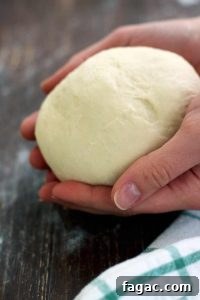
Turn the dough out onto a lightly floured surface and knead until it becomes smooth, elastic and no longer sticky. This usually takes a few minutes by hand. Form the dough into a ball, cover it, and let it rest for about 30 minutes or until it roughly doubles in size.

After the dough has risen, divide it into two equal portions. Place each portion on a sheet of parchment paper about 12 inches wide. Using your fist to press and the heel of your hand to stretch from the centre outward, shape each portion into a disc about 1/4 inch thick for a medium crust. For thinner crusts, stretch further or use a rolling pin.
Brush a thin layer of olive oil on the base if desired, then spread sauce with the back of a spoon, leaving a small border for the crust. Add cheese and toppings of your choice. Popular combinations include classic tomato and mozzarella with basil or mixed cheeses such as mozzarella and fontina. Vegetarian ideas: tomato-mozzarella-spinach-basil, or fig-grape-spinach-gorgonzola with rosemary and pine nuts.
Using the back of a baking sheet or a peel, transfer the pizza (on the parchment) onto the preheated stone or tray. Bake for about 5 minutes, rotate, then carefully remove the parchment paper and continue baking until the crust is golden and the cheese is bubbly and toasted. Total bake time will vary depending on your oven and temperature — watch closely.
Repeat with the second pizza. Allow the pizzas to rest for a few minutes on a cooling rack before slicing so the cheese sets slightly and the crust finishes crisping.

Ingredients (makes two 10-inch pizzas)
- 1 cup (235 ml) lukewarm water
- 1 teaspoon instant yeast
- 3 cups (450 g) all-purpose flour, plus extra for dusting
- 1½ teaspoons salt
Instructions (summary)
- Preheat oven to highest temperature with a pizza stone or heavy tray inside.
- Mix yeast and water, then add flour and salt to form a shaggy dough.
- Knead until smooth and elastic; let rise 30 minutes.
- Divide dough, shape on parchment, stretch to desired thickness.
- Add sauce, cheese and toppings; slide onto preheated stone and bake until golden.
Notes
Brush the base with olive oil for added flavor and a crispier underside. For cheeses, try mozzarella combined with fontina or other melting cheeses. Experiment with toppings to suit your tastes — the dough is a versatile canvas.
In conclusion
Once you try this simple method, you’ll appreciate how accessible homemade pizza is. It delivers better flavor and texture than most store-bought options, is budget-friendly, and lets you tailor each pie to your preferences. With a warm oven and a few basic ingredients you can consistently produce delicious pizzas that make takeout optional.