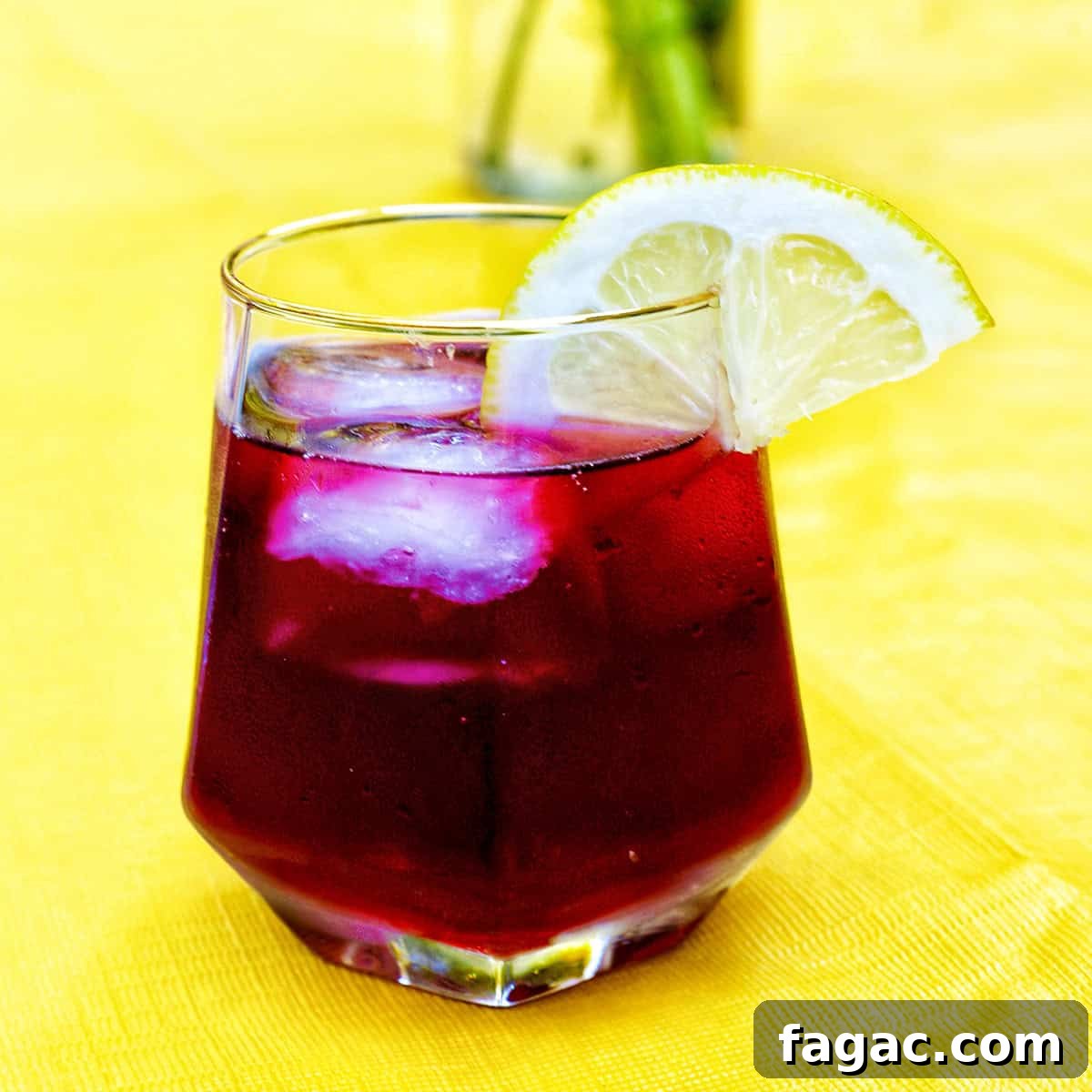
Looking for a light, refreshing cocktail with low alcohol? Tinto de Verano is a classic Spanish drink made with just two main ingredients. It’s an effortlessly refreshing choice for warm spring and summer days.
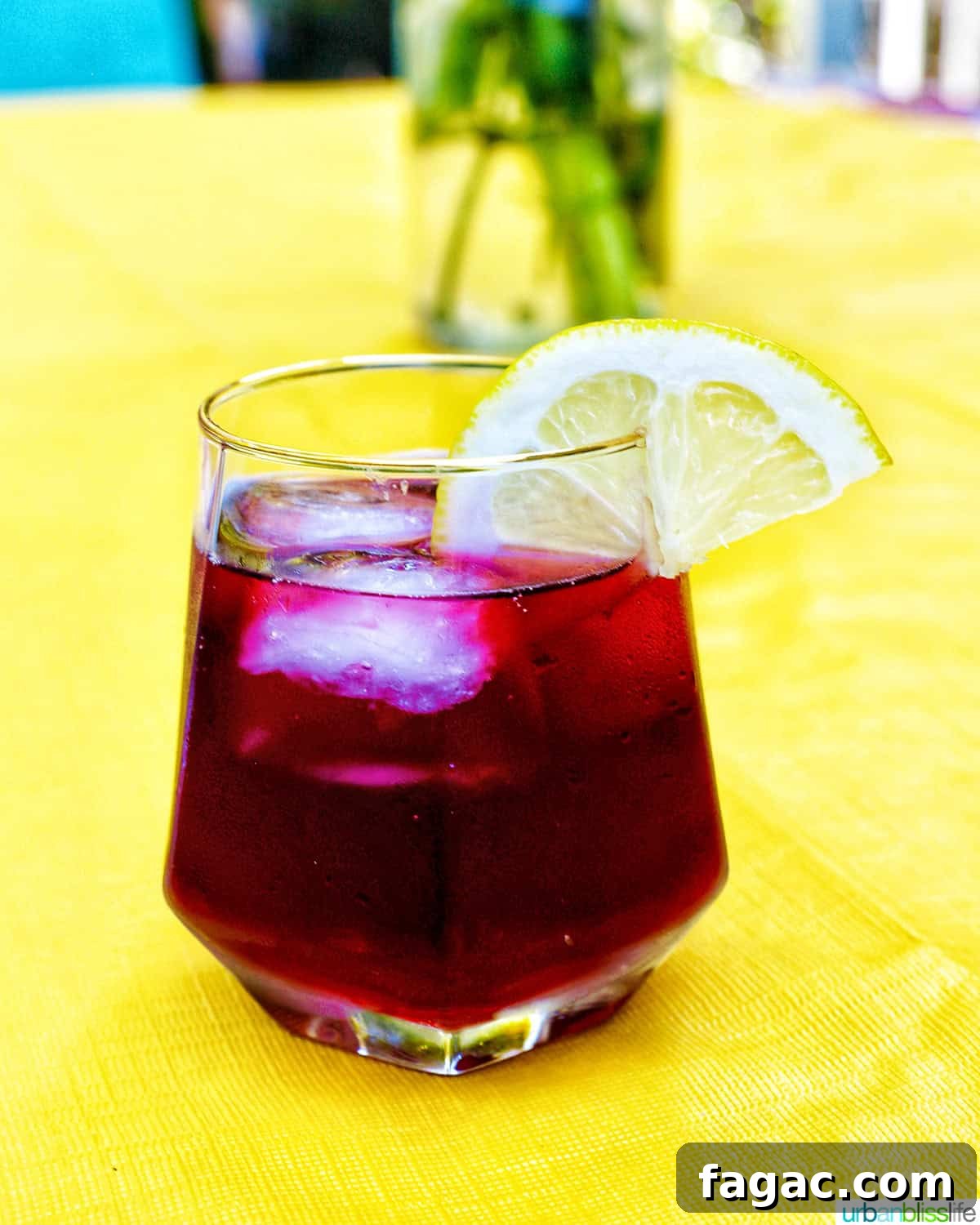
I’ve long enjoyed Spanish wines like sparkling Txakoli, but recently I discovered a new favorite: Tinto de Verano. During trips around San Sebastián and Bilbao in the Basque Country, I watched locals and friends order this simple red wine cocktail and had to try it myself. As someone who usually prefers wine on its own, I was surprised at how much I loved it.
Tinto de Verano quickly became one of my go-to summer cocktails. It’s bright, fizzy, low in alcohol compared to straight wine or many mixed drinks, and incredibly simple to prepare.
🌟 Why this recipe works
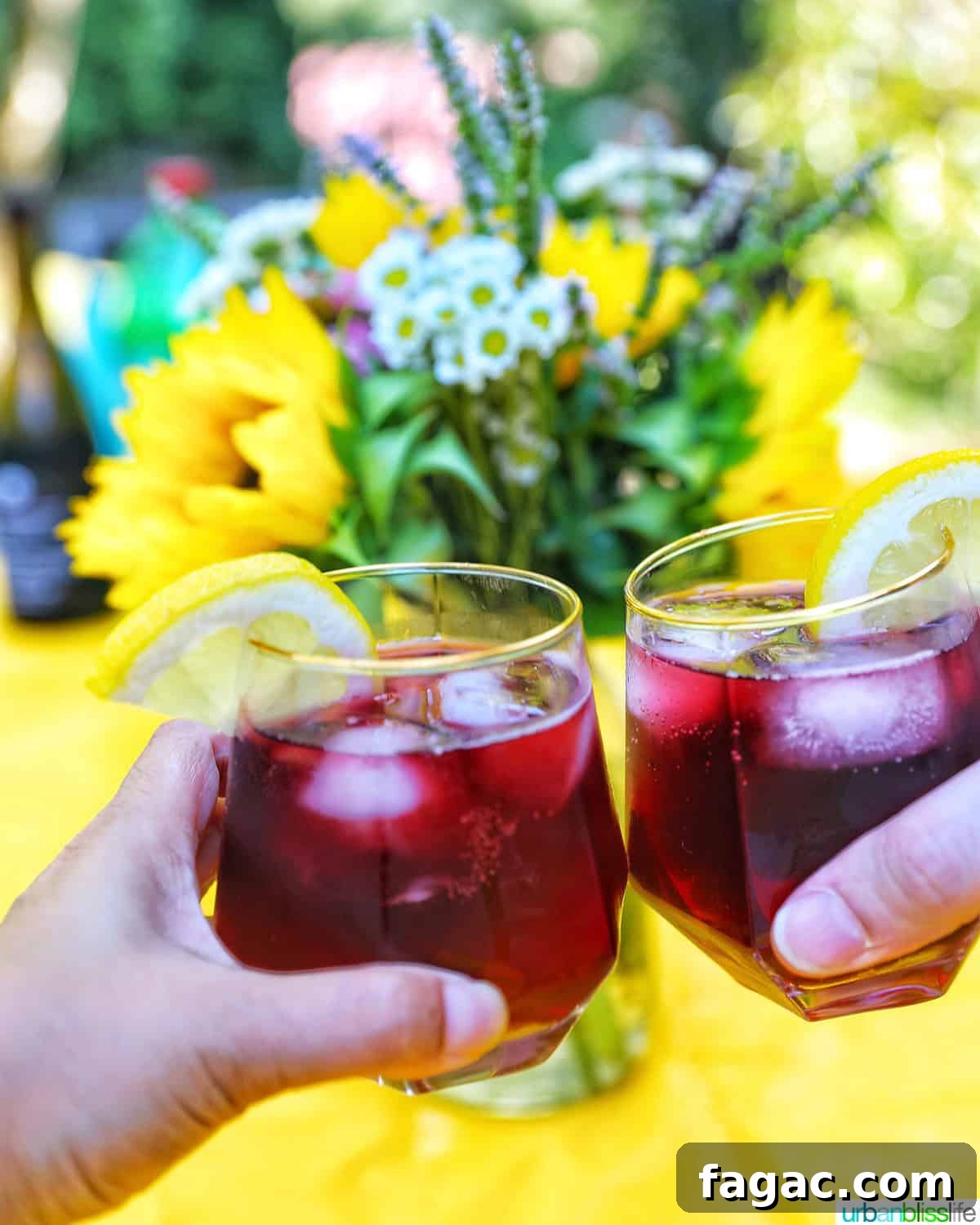
Tinto de Verano literally means “red wine of summer.” Compared with sangria, it’s far less complex but still full of bright flavor. Here’s why it’s such a winner:
- Simple – Only two core ingredients, plus a few optional garnishes if you want to dress it up.
- Fast and easy – Make it in seconds: pour wine, add soda, stir, serve.
- Refreshing – The effervescence and citrus notes make it extremely drinkable and cooling on hot days.
- Lower alcohol – Because it’s mixed roughly half wine and half soda, it’s lighter than a straight glass of wine.
🍷 What is Tinto de Verano made of?
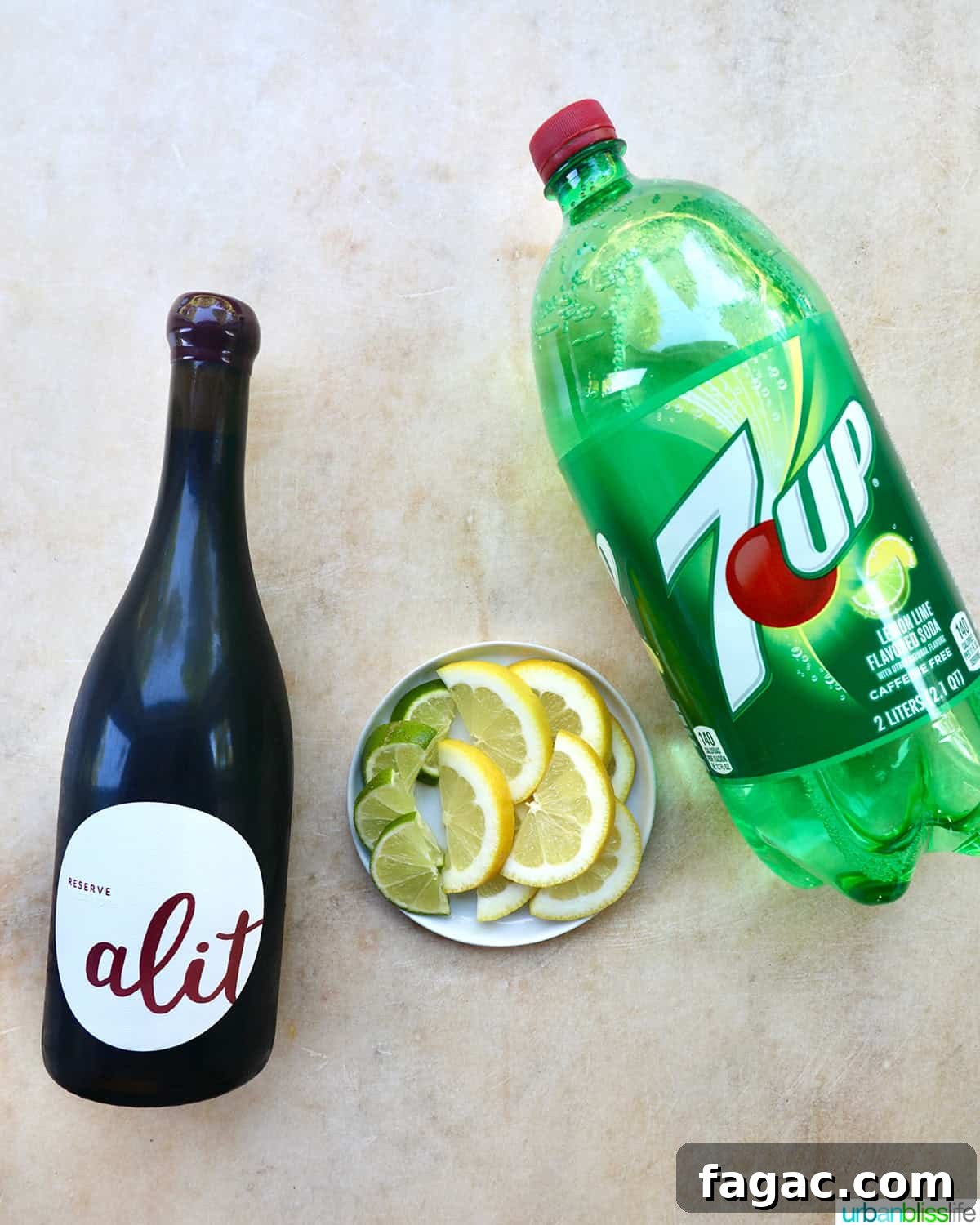
- Red wine – Choose a fruity, drinkable red. Tempranillo, Rioja, Garnacha (Grenache), or a light Pinot Noir are great options. Pick a wine you enjoy on its own.
- Lemon-lime soda – A clear, carbonated lemon-lime soda adds brightness and bubbles. In Spain, La Casera is traditional; elsewhere, Sprite or 7-Up work perfectly.
- Ice – Keeps the drink chilled and refreshing.
Optional:
- Citrus slices – Lemon, lime, or even orange slices make a nice garnish.
- Sweet vermouth – A splash of vermouth appears in some versions. It adds sweetness and complexity but is not required.
- Simple syrup – A bit of lemon-lime simple syrup can round out the fizz if you prefer a softer texture.
✅ Step-by-step instructions
This recipe uses an approximate 1:1 ratio of red wine to lemon-lime soda. The ingredient quantities in the recipe card below make about 6–8 cocktails depending on glass size.
You may have some wine or soda left over after mixing for a small group—adjust portions to match your glasses and guest count.
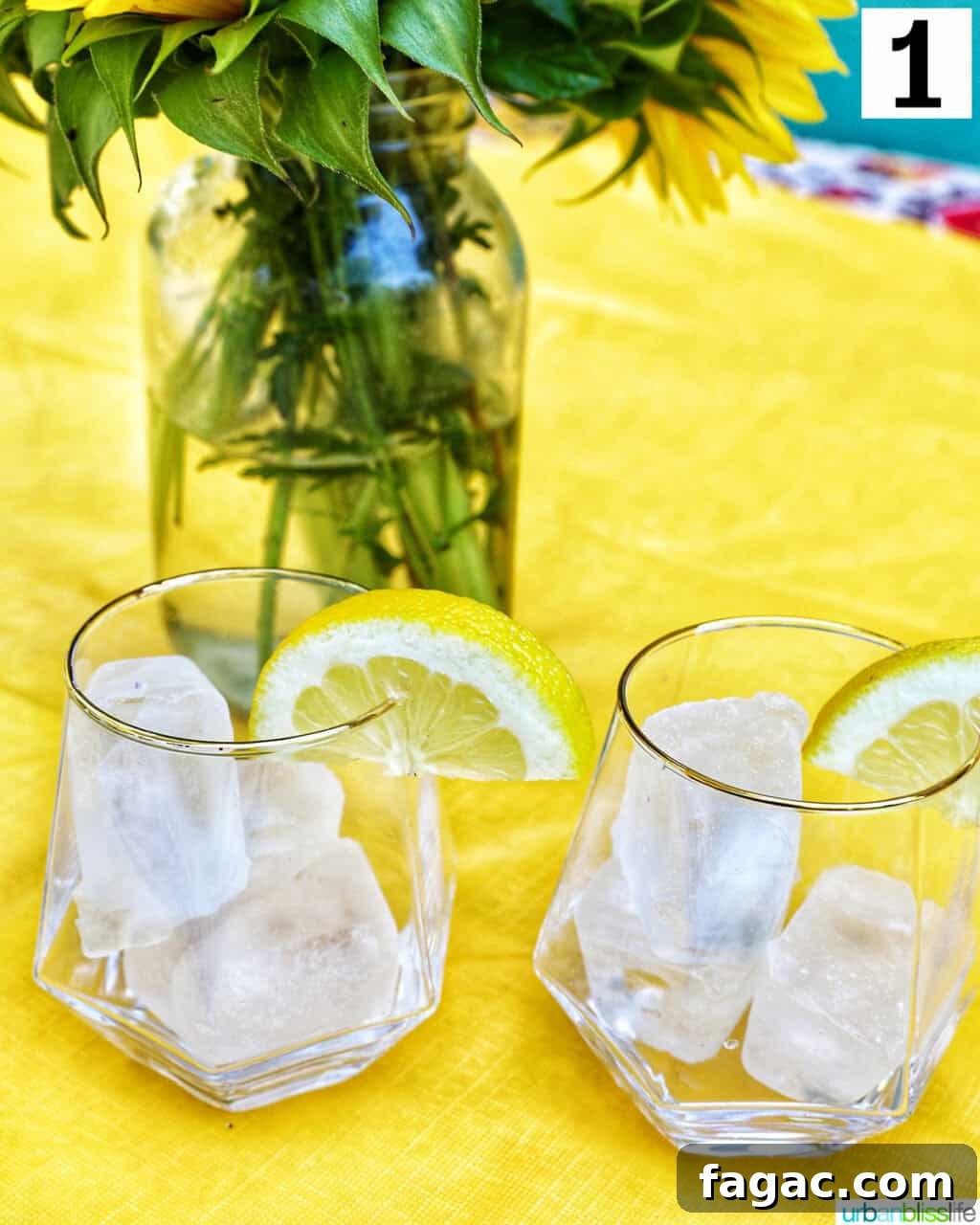
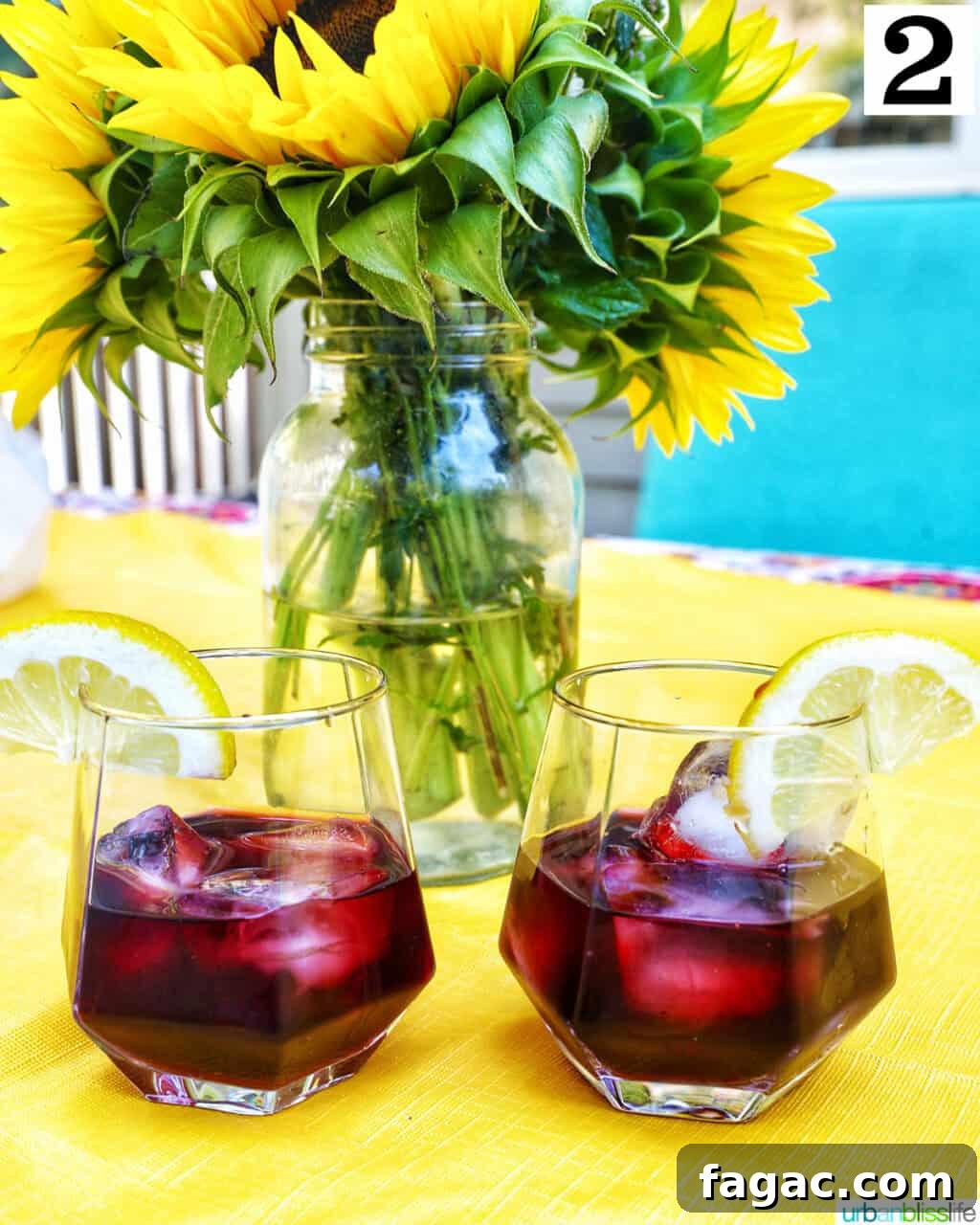
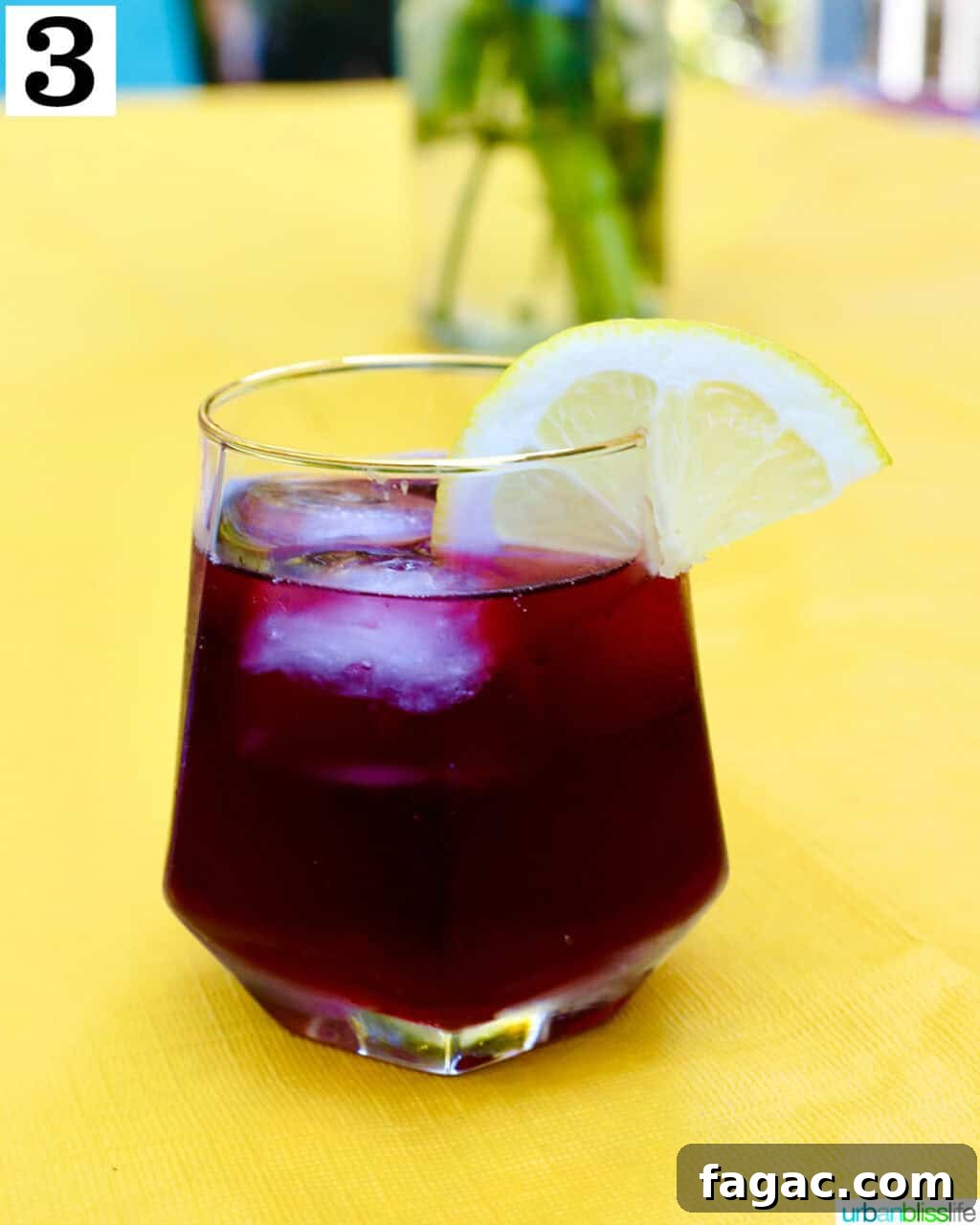
- Fill a glass about three-quarters full with ice.
- Pour red wine until the glass is roughly half full.
- Top up with lemon-lime soda, leaving a small gap at the top. Stir gently to combine.
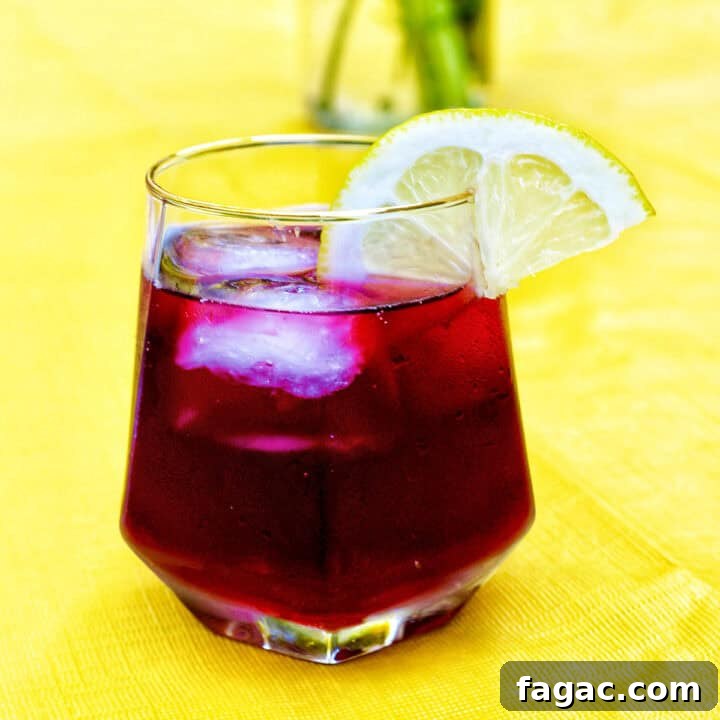
Garnish with a lemon or lime slice if desired and serve immediately.
👩🏻🍳 Recipe FAQs

It’s best fresh, but you can prepare a pitcher up to an hour ahead. Fill the pitcher with ice roughly halfway, pour in wine to about half full, then top with soda and keep chilled until serving.
Spanish reds like Tempranillo, Rioja, or Garnacha are ideal, though a light Pinot Noir also works. Use a wine you enjoy on its own.
Tinto de Verano roughly translates to “summer wine.”
Alcohol content varies by the wine you choose and the precise ratio, but a typical tinto de verano is lighter than a straight glass of wine due to the soda dilution.
🍽 Serving ideas
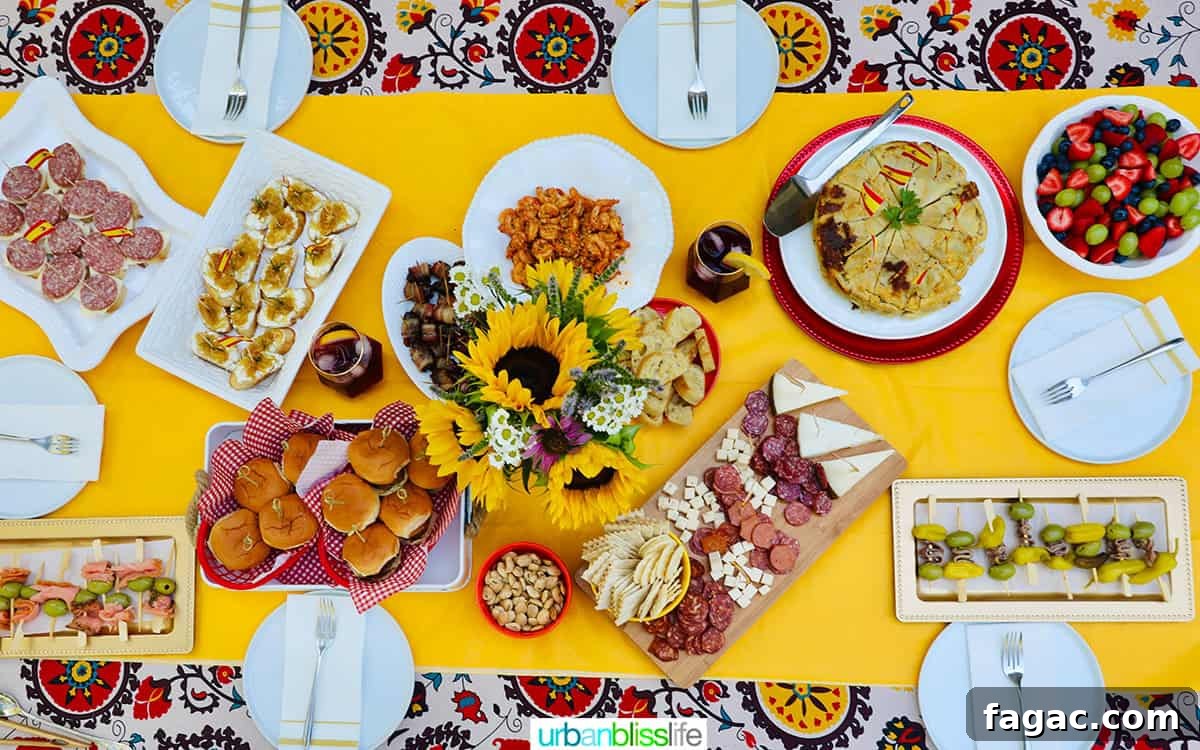
Tinto de Verano pairs beautifully with tapas and pintxos. It’s light enough to sip throughout an evening of small plates.
Try serving it alongside:
- Gilda pintxos
- Gambas al ajillo (garlic shrimp)
- Mini burger pintxos
- A charcuterie board of Spanish meats and cheeses
- Caramelized onion and goat cheese pintxos
- Salami and cheese pintxos
- Fresh fruit salad
- Rosemary Marcona almonds
- Bacon-wrapped dates stuffed with goat cheese
- Traditional Spanish tortilla (tortilla de patatas)
🍳 Kitchen tools and equipment
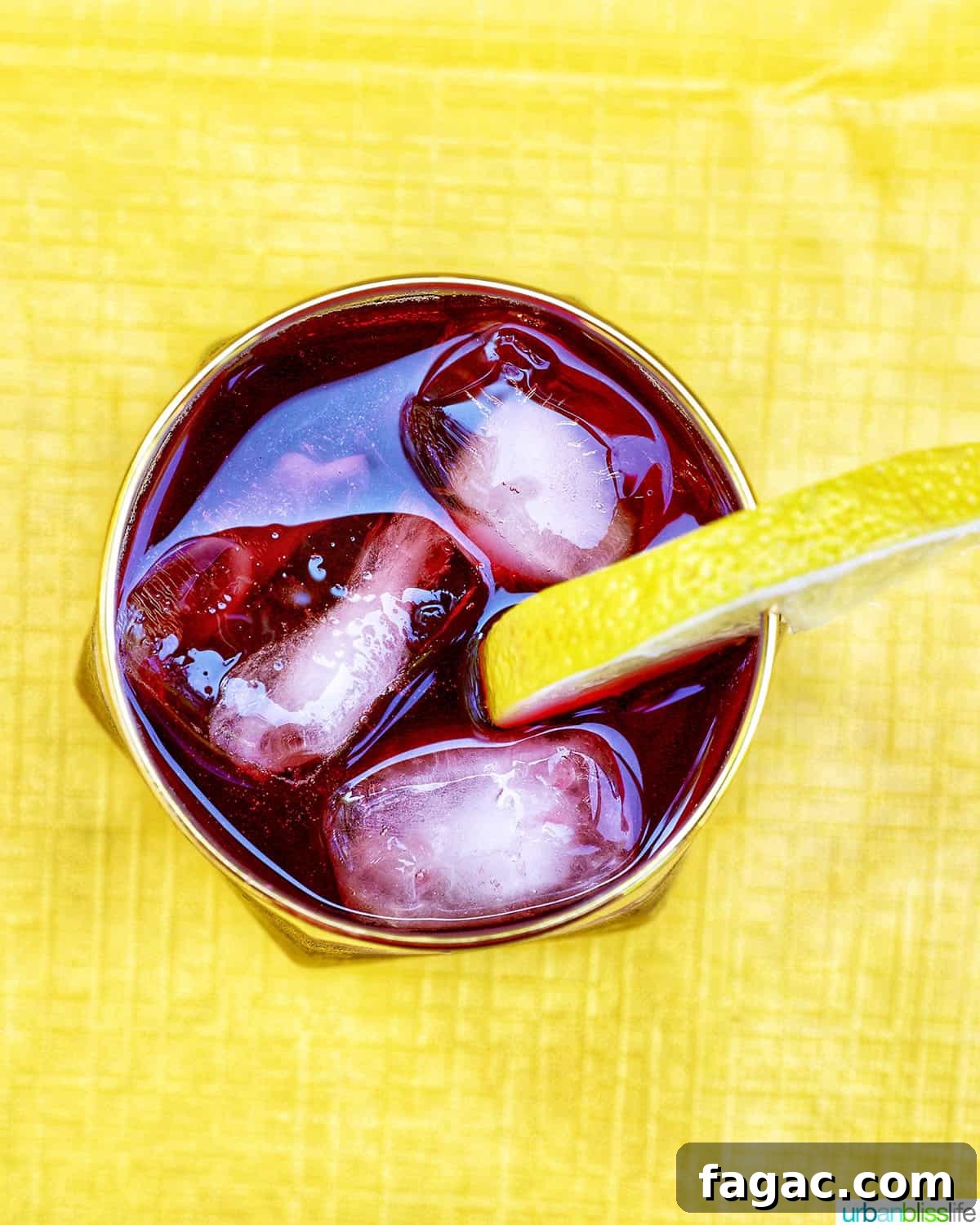
You don’t need much to make Tinto de Verano:
- Glasses – Serve in wine glasses, highball glasses, or any short cocktail glass.
- Spoon or stirrer – For a gentle mix after adding the soda.
More cocktail recipes
-
Bourbon Lemonade
-
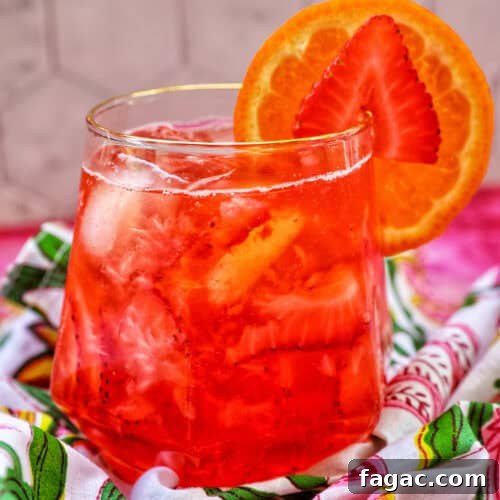
Strawberry Spritz
-
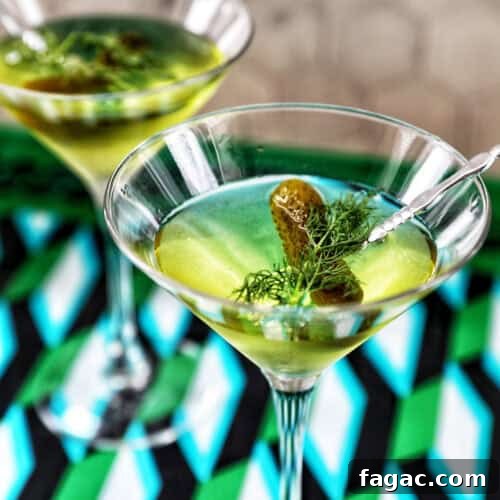
Dill Pickle Martini
-
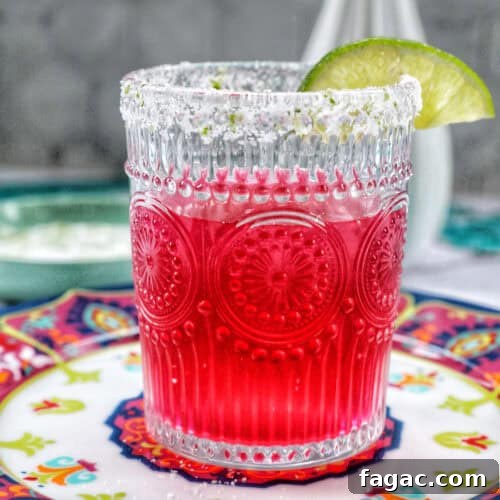
Prickly Pear Margarita

If you try this recipe, please leave a rating and a comment—feedback helps others discover it. Thank you!
Tinto de Verano
Marlynn Schotland
Equipment
- 6 glasses
Ingredients
- Ice
- 1 bottle (750 ml) dry red wine
- 1 bottle (1 liter) carbonated lemon-lime soda (Sprite, 7-Up, or similar)
- Optional: lemon or lime slices
Instructions
- Fill each glass about 3/4 full of ice.
- Fill each glass almost halfway with red wine.
- Top off with carbonated lemon-lime soda until near the top. Stir gently.
- Optional: garnish with lemon or lime slices and serve immediately.
Notes
Makes approximately 6–8 cocktails.
Important: Use roughly a 1:1 ratio of red wine to soda for each cocktail. Quantities will vary with glass size, so you may have some wine or soda left over after preparing six drinks.
Nutrition
Nutrition information is approximate.