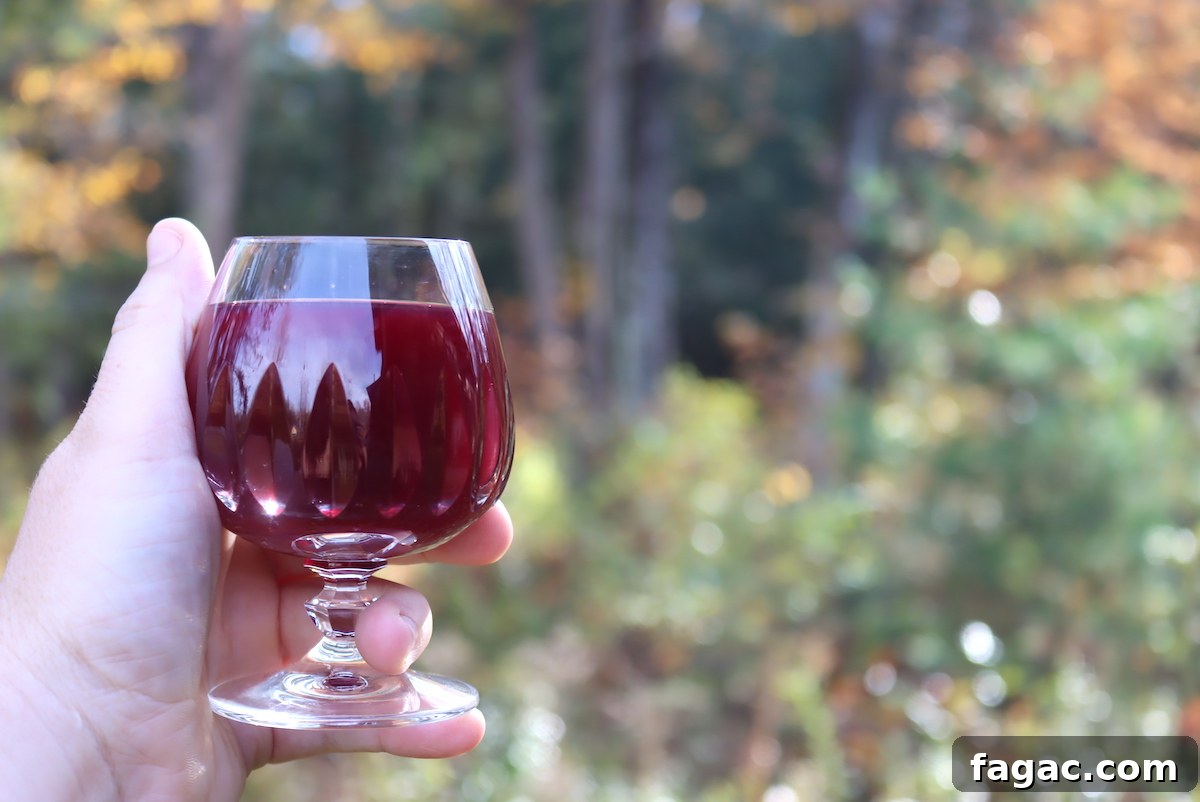
Aronia wine is a delightful way to use a fresh harvest of aronia berries. These small, naturally tannic and slightly acidic fruits need only a touch of sugar to become a well-balanced red wine with plenty of character. Substitute honey if you prefer to make an aronia mead.
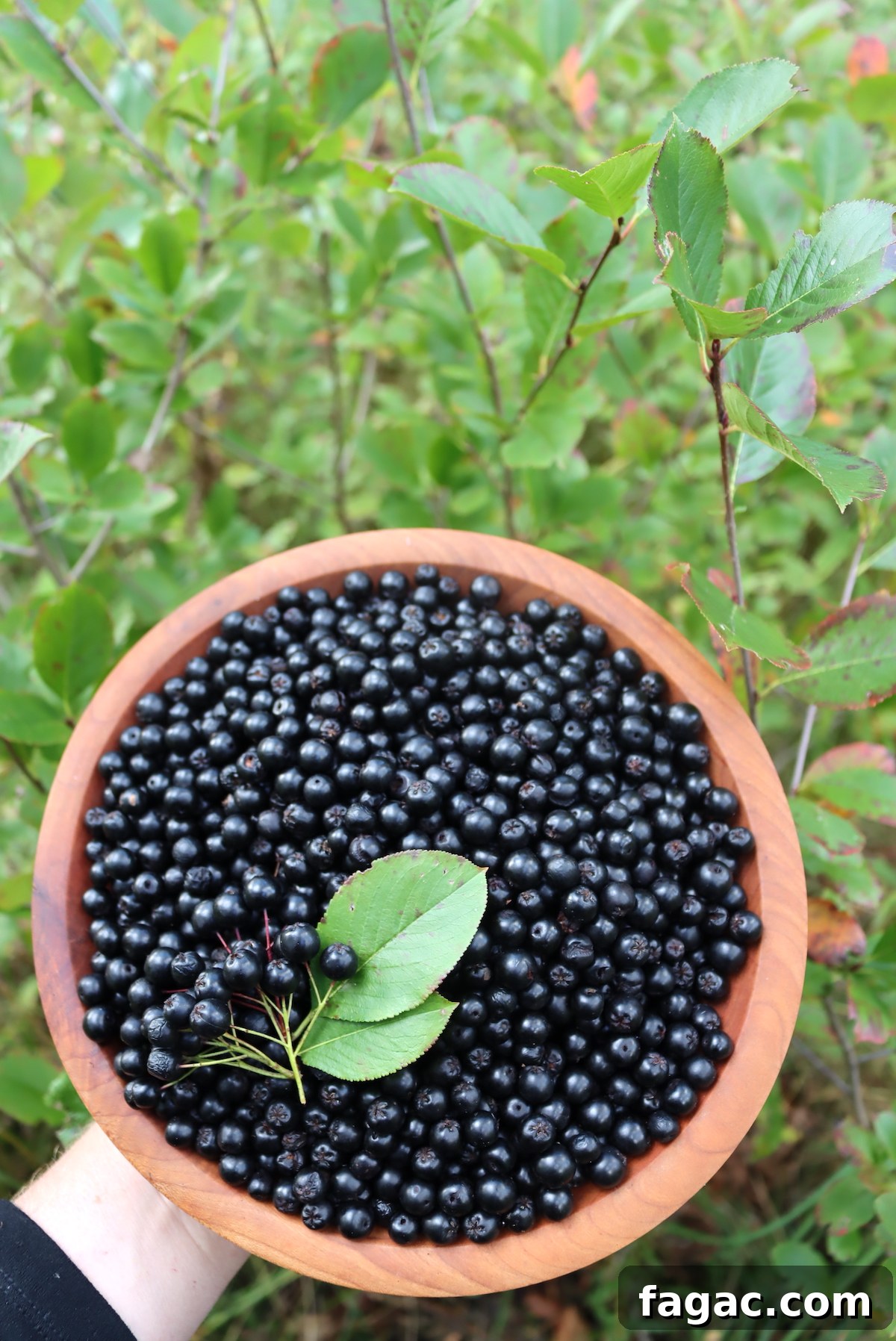
Aronia, often marketed as a “superfood,” are packed with antioxidants but aren’t especially pleasant to eat raw. Known commonly as chokeberries, they have astringent tannins and bright acidity that can make the fresh fruit puckery. Commercial aronia juices are typically sweetened so they’re palatable, but those same tannins and acids are assets when fermenting the berries into wine.
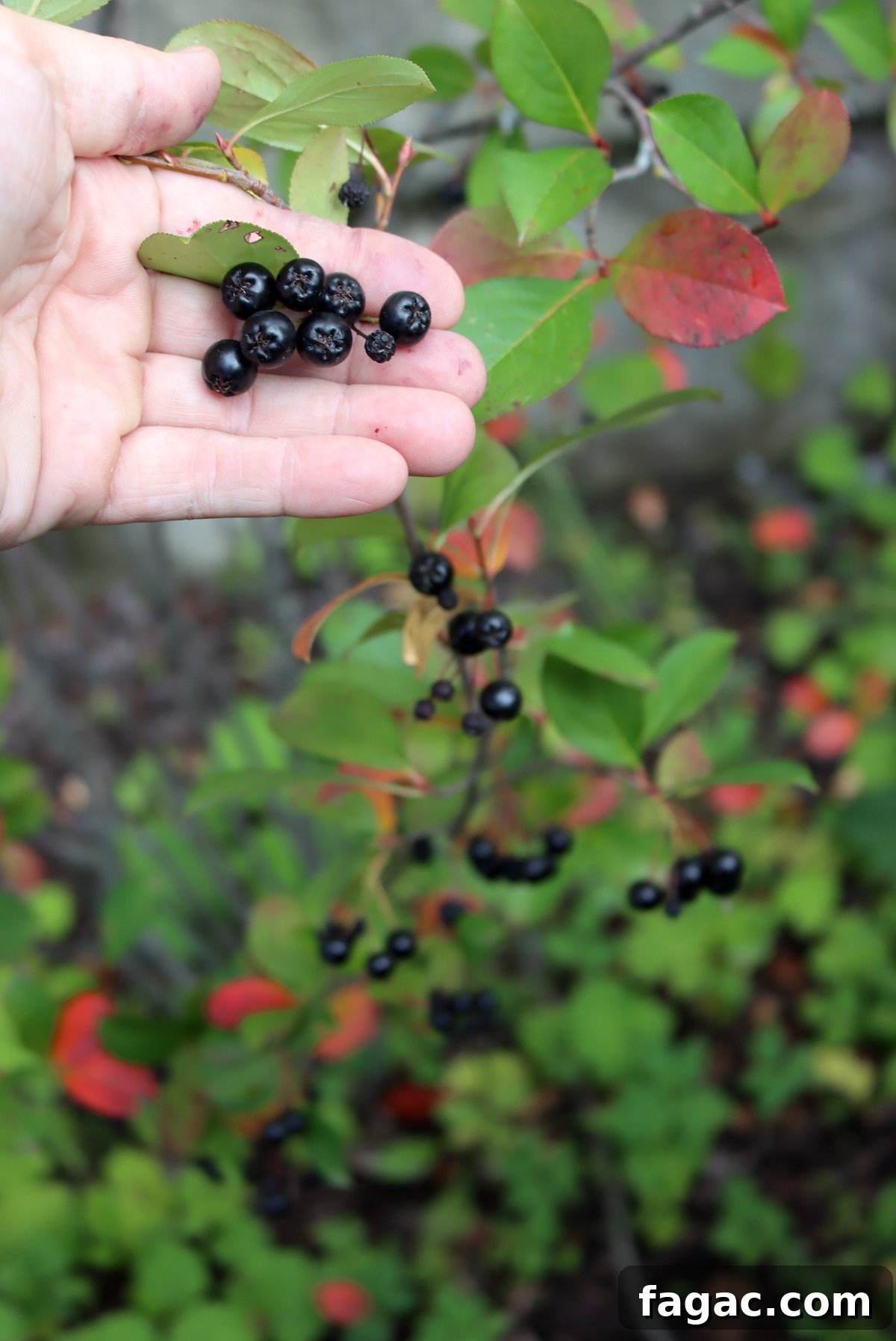
Harvesting Aronia
Aronia shrubs are cold-hardy, attractive in landscapes, and useful in permaculture plantings. They produce lovely spring blossoms that attract pollinators and durable berries in late summer to fall. You may find aronia growing in public plantings, office landscapes, or nearby yards; urban foraging can be a practical way to gather fruit if you can correctly identify the plant.
For winemaking you’ll need a substantial amount of fruit, so ideally you grow your own bushes or know someone who does. If fresh fruit isn’t available, store-bought aronia juice will work, though it is often expensive due to the fruit’s “superfood” status. Homegrown fruit tends to yield the best results and the most satisfying flavor.
Ingredients for Aronia Wine
You only need a few basic ingredients to make one gallon of aronia wine. Quantities below are for a one-gallon batch and assume you are using juice rather than whole fruit in primary fermentation.
- 6 to 8 cups aronia juice (about 3 to 5 pounds fresh fruit, depending on extraction method)
- 2 1/2 pounds granulated sugar (substitute honey if making mead)
- 1 teaspoon yeast nutrient
- appropriate wine yeast (choose a strain suited for fruit wines)
- water to top up to one gallon
This recipe intentionally omits added tannin powder, pectic enzyme, and acid blend. Aronia fruit are naturally low in pectin, so the wine usually clears on its own. They also provide ample tannin and acidity for a balanced mouthfeel. If your fruit seems unusually mild, consider a small addition of acid blend (1/4 to 1/2 teaspoon) or 1–2 teaspoons lemon juice to brighten the profile.
To yield the 6–8 cups of juice recommended, a steam juicer is the most efficient method; less efficient extraction will require more fruit. When juicing with heat, allow the juice to cool to room temperature before mixing with other ingredients and pitching yeast.
Making Aronia Wine
The steps below present a straightforward, small-batch winemaking method. If you are new to winemaking, consult beginner guides on sanitation, fermentation control, and bottling before you begin.
- Juice the fresh aronia fruit. If using a steam juicer or another heated method, let the juice cool to room temperature.
- Combine the aronia juice with the sugar and yeast nutrient in a sanitized, narrow-neck fermentation vessel such as a one-gallon carboy. Stir until the sugar dissolves completely.
- Rehydrate or dissolve the wine yeast according to the manufacturer’s instructions (typically in a small amount of warm water) for about 10 minutes, then add the yeast to the carboy.
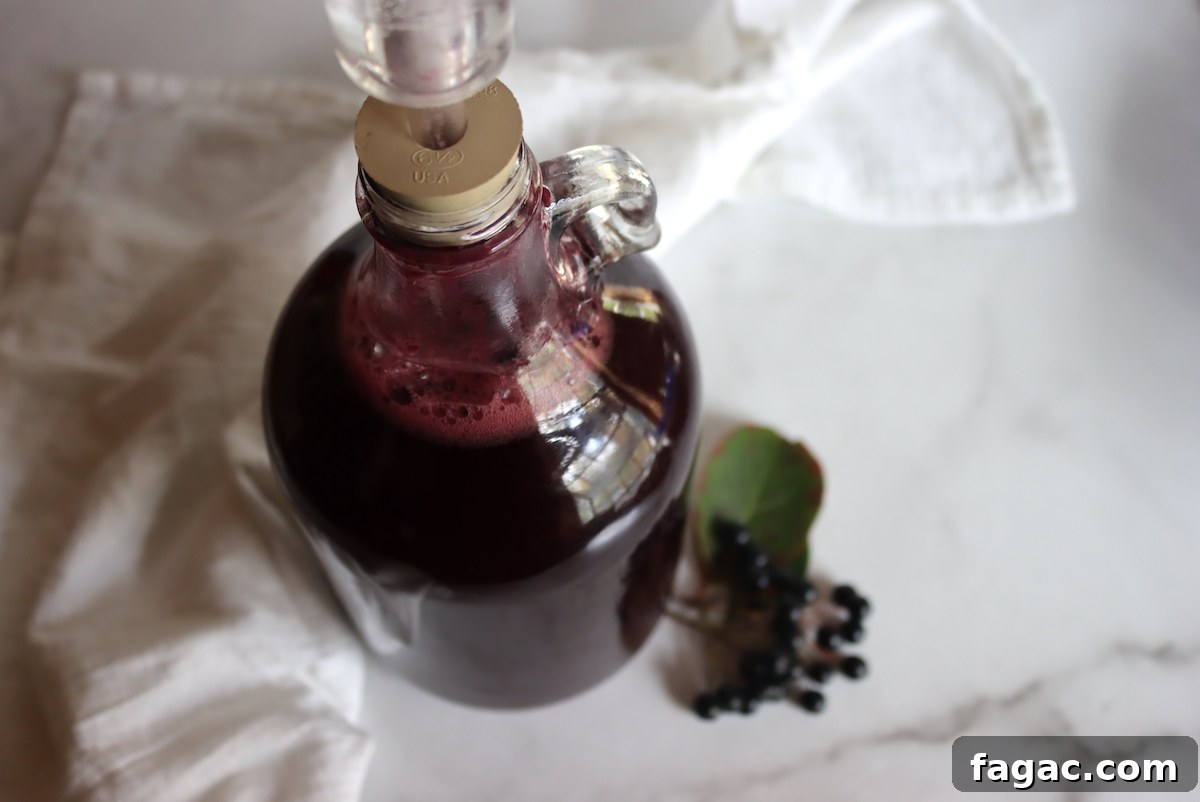
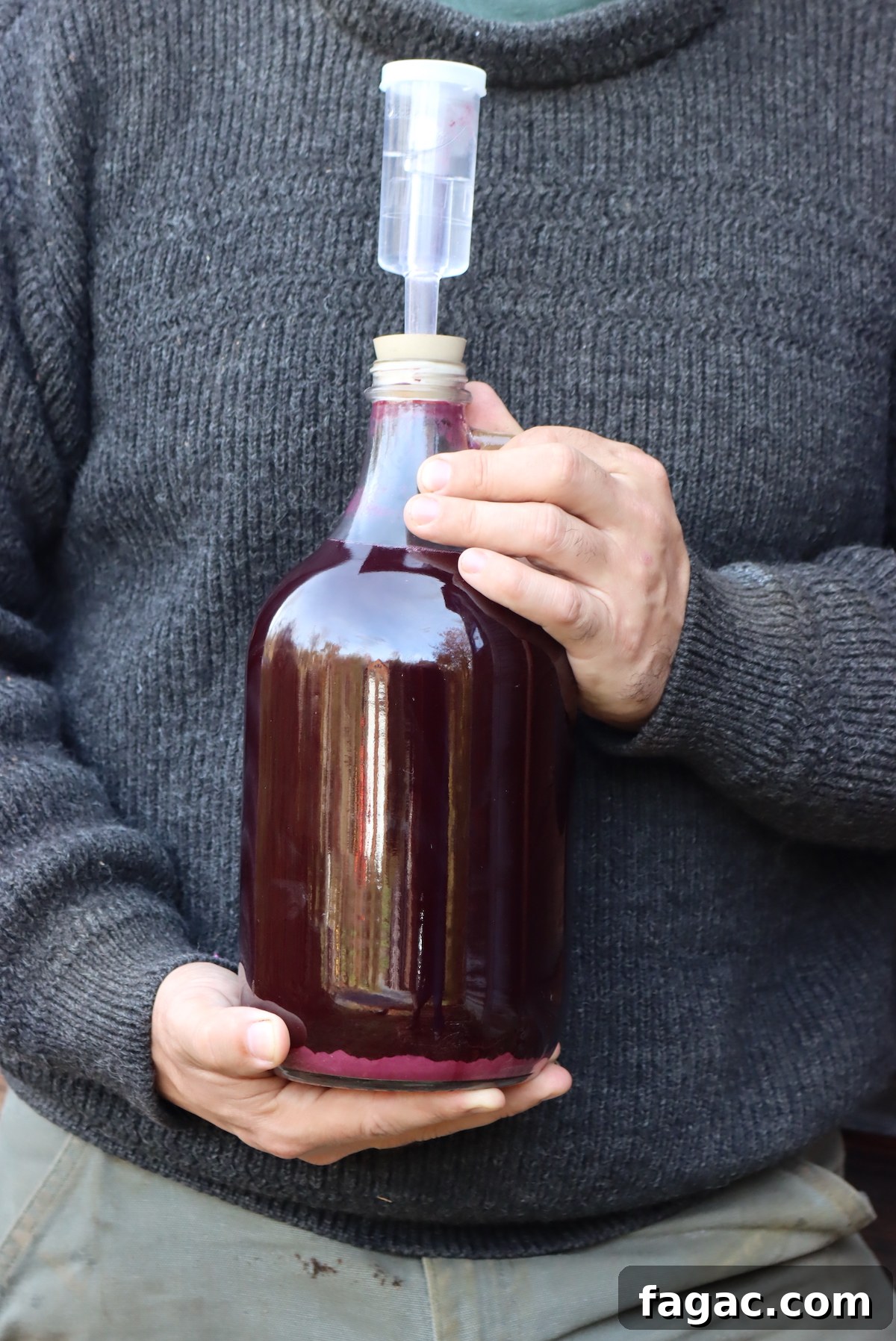
- Add water as needed to bring the volume up to one gallon, leaving appropriate headspace for fermentation under the airlock. Seal the carboy with a stopper and airlock to allow CO2 to escape while preventing contamination.
- Primary fermentation should begin within 24 to 72 hours and remain active for approximately 7 to 14 days. You’ll see bubbling and a layer of sediment form as solids settle.
- When primary fermentation slows and most vigorous bubbling has stopped, siphon (rack) the wine into a clean carboy, leaving the sediment behind. Fill to the neck to minimize oxygen exposure.
- Fit the carboy with an airlock and allow secondary fermentation and maturation to continue. For aronia wine, a secondary of at least four weeks is necessary, but four months often produces a noticeably smoother, more balanced wine. If making mead with honey, allow 2 to 6 months in secondary, as honey ferments more slowly.
- After secondary fermentation and when the wine tastes balanced, stabilize and sweeten if desired, then bottle in sanitized wine bottles and cork. Allow bottled wine to age at least a month before drinking; longer aging will continue to improve the flavor.
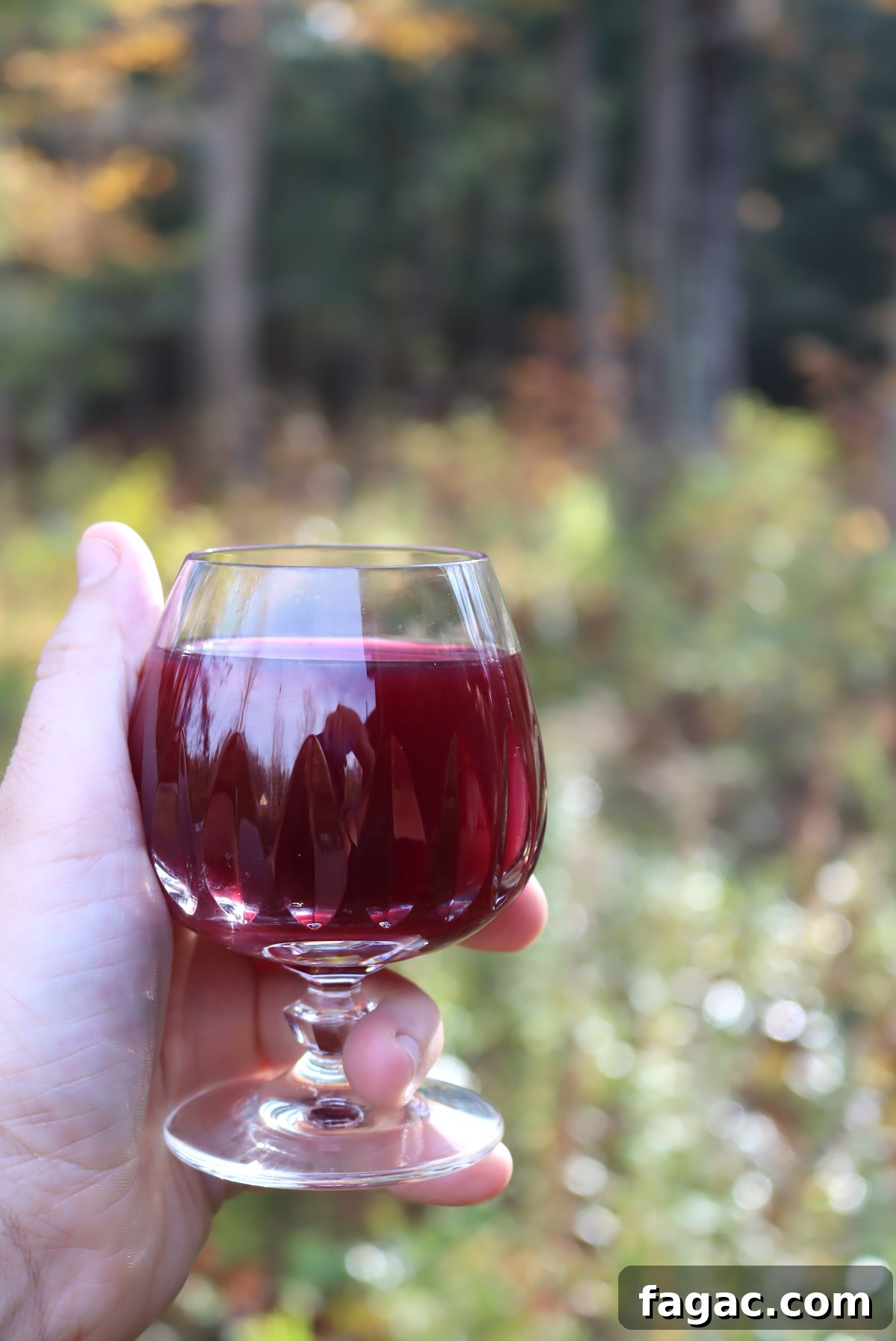
A short tasting during secondary will tell you whether the wine is well balanced or needs adjustment. If you decide to back-sweeten, allow the wine to stabilize and then re-ferment or stabilize chemically before bottling to avoid renewed fermentation in-bottle.
Winemaking Recipes
If you enjoy making aronia wine, try other small-batch fruit wines such as cherry, apple, blueberry, pineapple, or watermelon. Each fruit brings different challenges and flavors, but the basic process of juice, sugar, yeast, ferment, rack, and age remains the same.
Homemade Drinks
Homemade alcoholic and non-alcoholic beverages are rewarding projects. Consider exploring hard cider, pear perry, small-batch wines, homemade beer, or fermented non-alcoholic drinks like water kefir to expand your pantry of handcrafted drinks.
Aronia wine is an excellent seasonal project: it turns astringent fruit into a rich, structured wine with deep color and concentrated flavor. With minimal added ingredients and a little patience during aging, this small-batch wine can be a lovely way to enjoy the harvest.