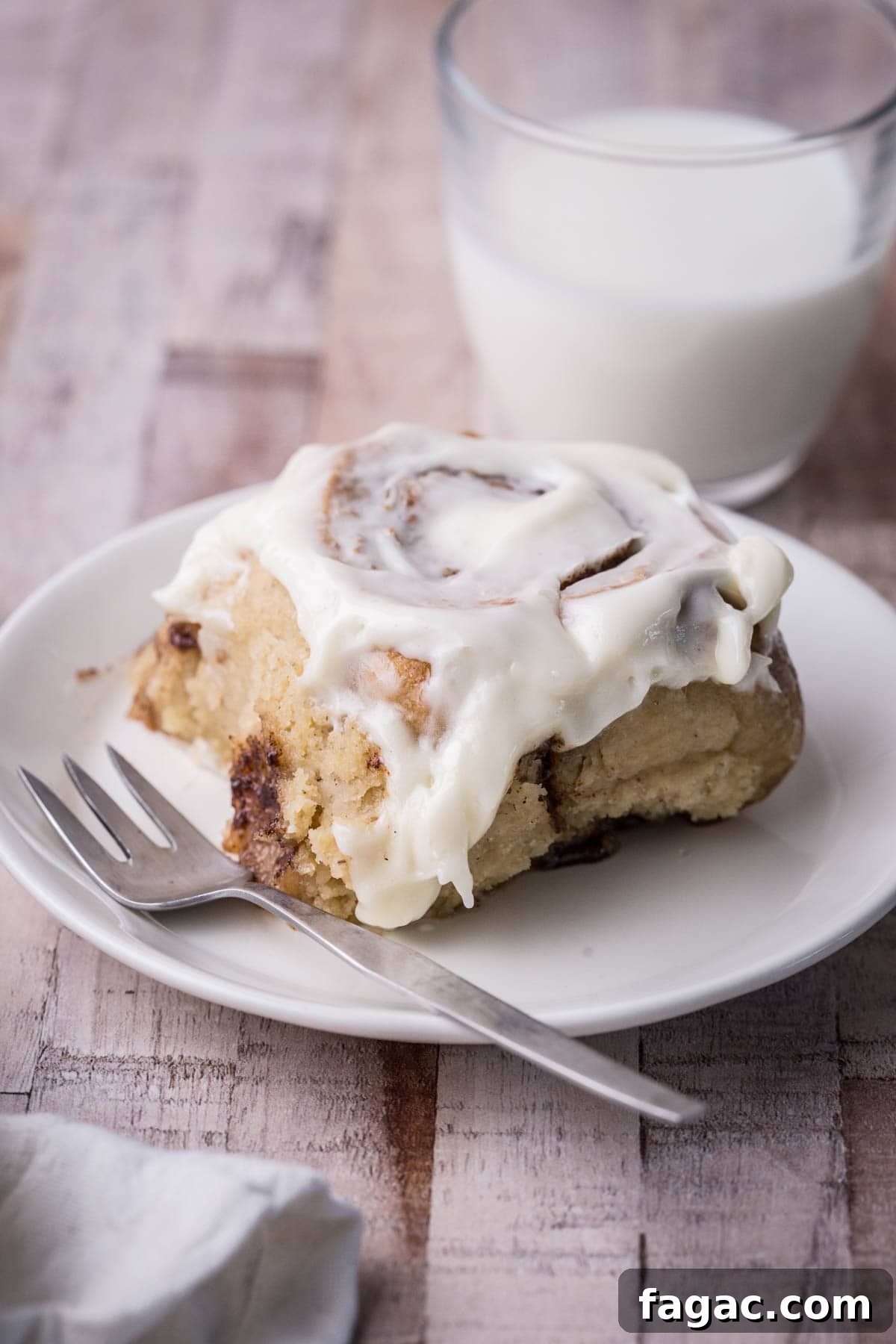
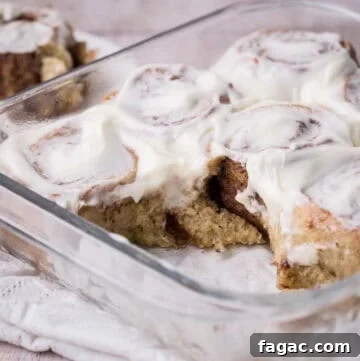
These Gluten-Free Cinnamon Rolls are soft, fluffy and made with a simple homemade flour blend—no xanthan gum required. They’re filled with buttery cinnamon and finished with a light cream cheese frosting. Follow the clear step-by-step guidance below and you’ll find this version as indulgent as any bakery roll, yet straightforward to make at home.
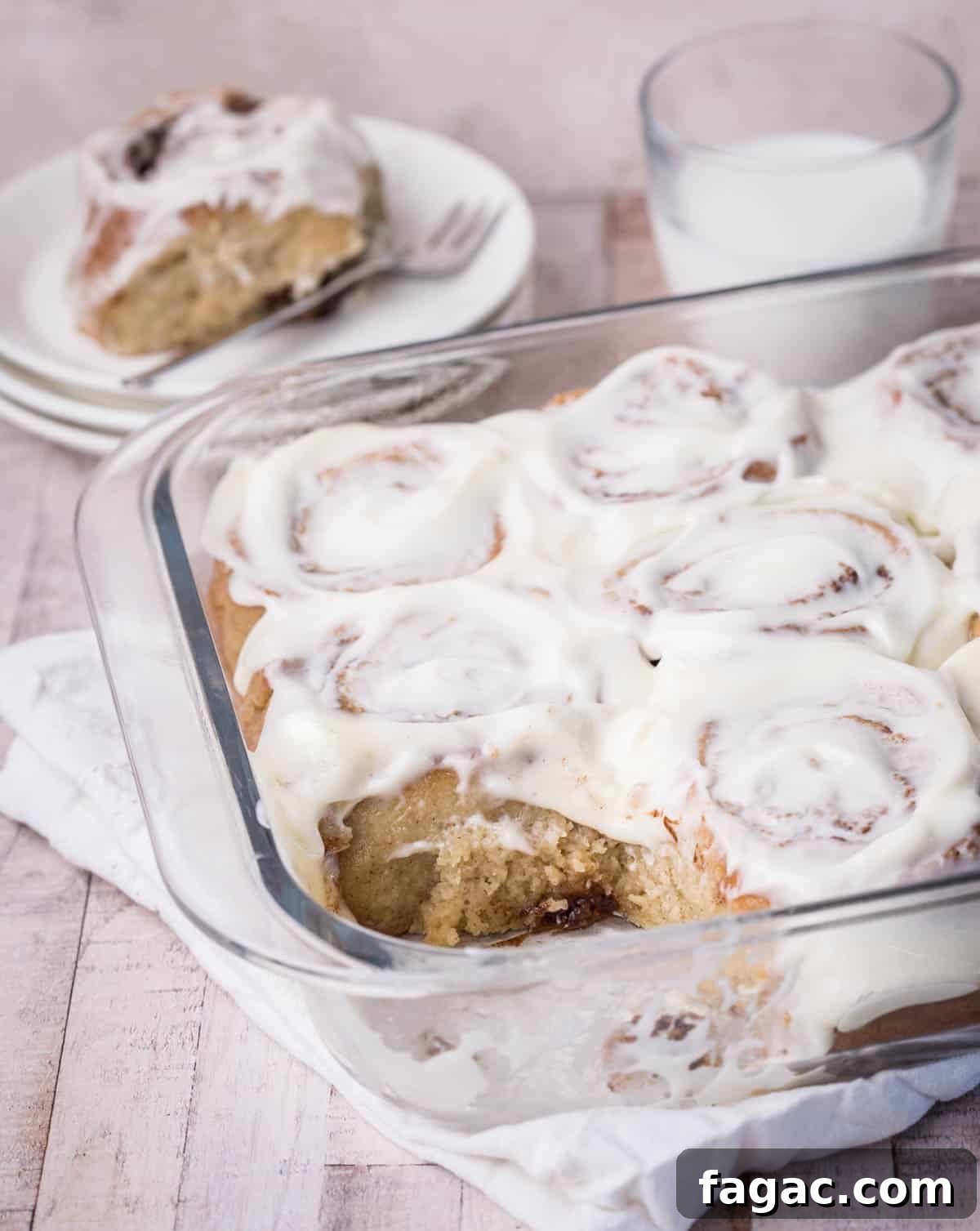
Table of Contents
Toggle
This recipe follows the American-style cinnamon roll: softer, sweeter and typically finished with cream cheese frosting. American rolls are pillowy, richly buttery and ideal for indulgent breakfasts or brunches. If you prefer a firmer, spiced Nordic-style roll, that is a different bake—this recipe focuses on a tender, classic cinnamon bun experience made gluten-free.
We make these when we want something truly special—perfect for holiday mornings, a leisurely weekend bake or when you want a comforting treat. The recipe uses a blend of gluten-free flours and psyllium husk for structure, producing rolls that are moist, tender and reliable.
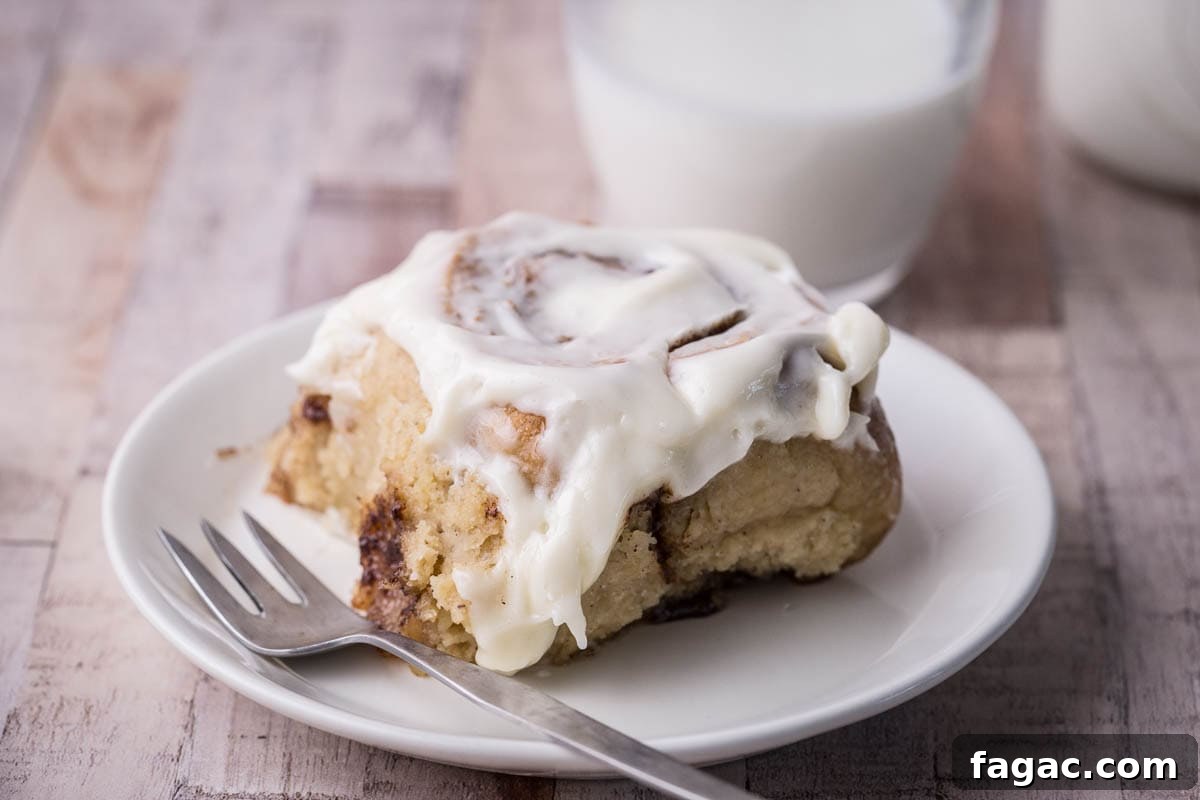
Easy Gluten-Free Cinnamon Rolls
Although the process includes several stages, each step is straightforward and the whole project takes around 3–4 hours from start to finish, including proving times. The results are well worth the time investment.
There are a few moments you’ll want to focus on, especially during the 15-minute work window where you will:
- handle the soft dough after the first rise,
- spread the filling evenly,
- roll the dough into a tight log,
- and cut neat, even rolls.
Follow the instructions methodically and you’ll find the technique easy to master.
Why You’ll Love These Gluten-Free Cinnamon Rolls
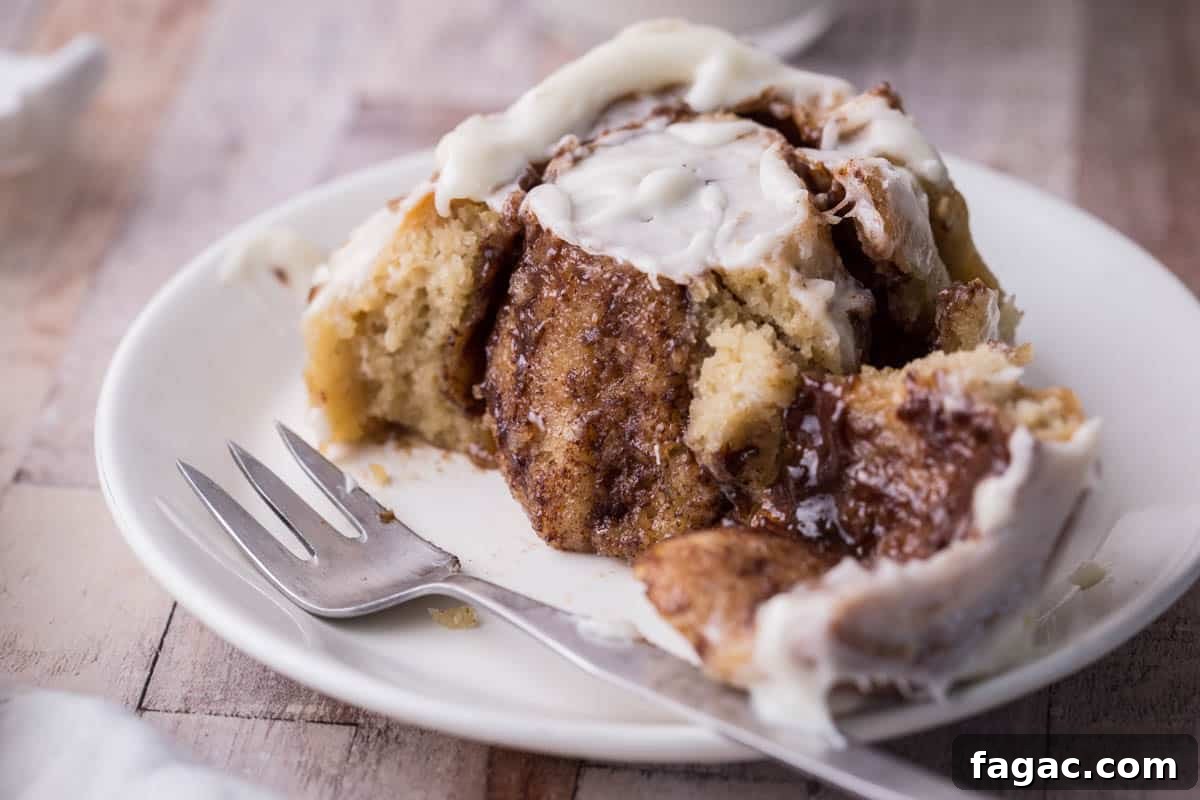
- A perfect balance of pillowy dough and gooey, buttery cinnamon filling topped with a tangy cream cheese frosting.
- Tender texture. The combination of almond flour, psyllium husk and other gluten-free flours creates a soft, delicate crumb.
- Easy-to-handle dough. Rolling the dough on parchment prevents sticking and helps form a tight, even log.
- Good rise and lightness. The method supports a reliable rise so the rolls don’t feel dense.
- Moist, not dry. Proper proofing and adding frosting while warm keep the rolls soft.
- Classic flavour. Rich, buttery and warmly spiced with cinnamon.
- No xanthan gum. Instead we use psyllium husk and a higher ratio of protein-rich ingredients to achieve structure and elasticity.
- Balanced frosting. A cream cheese topping that’s not overpoweringly sweet, complementing the cinnamon filling.
Watch the Video
If you prefer to follow visually, the video demonstrates key moments like shaping, rolling and cutting so you can see exactly how it’s done.
Ingredients Needed
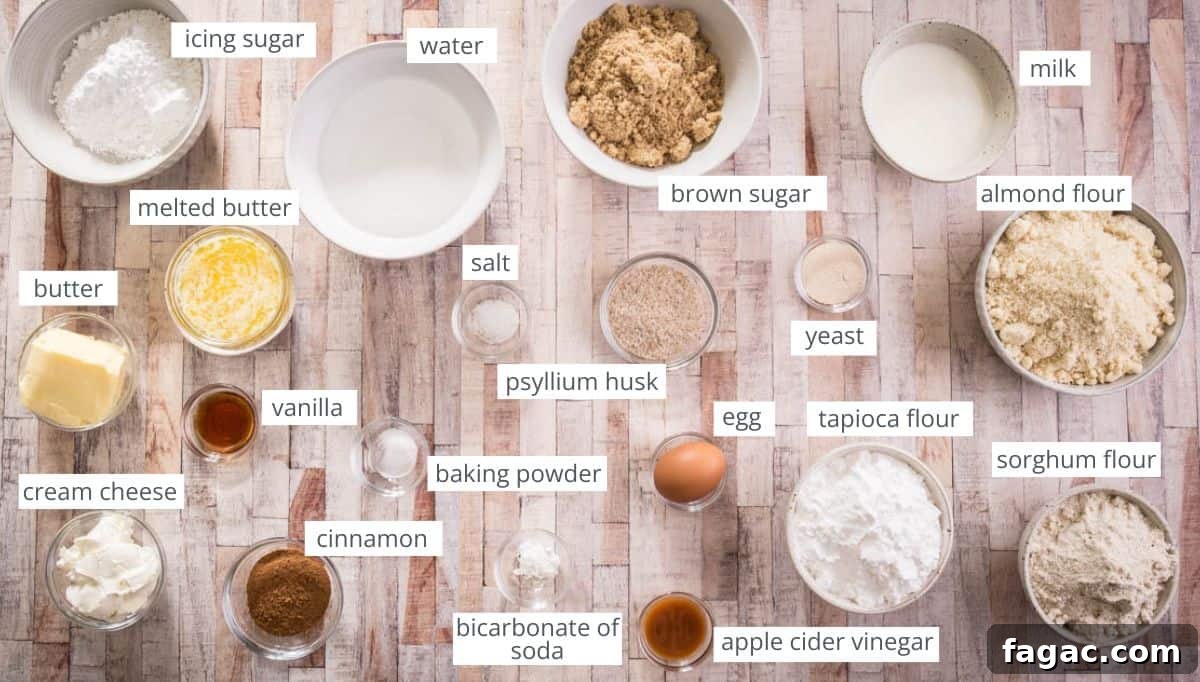
Gluten-Free Dough
Milk: Whole milk is preferred for richness, but a full-fat plant milk works too.
Brown sugar: Adds moisture and a mellow molasses depth to the dough.
Active dry yeast: Dissolve in warm milk to activate before adding. If in doubt about old yeast, test it in warm water with a pinch of sugar to ensure it froths.
Psyllium husk: Used as a binder and to create elasticity. This recipe uses whole psyllium husk mixed with water to form a gel.
Water: Mixed with psyllium to form the gel.
Almond flour: Blanched almond flour (ground almonds in the UK). This provides structure and tenderness—substitutions aren’t recommended without testing.
Tapioca starch: Helps with structure and gives a golden colour to the rolls.
Sorghum flour: A mild whole-grain flour that blends well with other gluten-free flours; oat flour can substitute if needed.
Baking powder and bicarbonate of soda: Both help add lightness and oven spring in gluten-free doughs.
Salt: Enhances and balances flavours.
Butter: Unsalted, melted to enrich the dough.
Apple cider vinegar: A small amount helps activate the bicarbonate and improves lift; lemon juice can substitute.
Egg: Adds protein and structure—use a medium egg (about 50g without shell) and weigh if possible for accuracy.
Cinnamon Filling
Unsalted butter: Softened so the filling spreads smoothly.
Soft light brown sugar: Gives a deep, caramel-like sweetness.
Cinnamon: Use a good-quality cinnamon for best flavour.
Vanilla extract: Adds warmth and depth.
Salt: A small pinch sharpens the sweetness.
Cream Cheese Frosting
Cream cheese: Full-fat cream cheese gives the best flavour and texture; keep it chilled until ready to use unless using a block that you bring to room temperature.
Icing sugar: Powdered sugar blends smoothly into the frosting for a silky finish.
Milk: A splash to loosen the frosting for easy spreading.
Vanilla extract: Use a quality extract for the best taste.
Salt: A pinch balances the sweetness.
Flour Substitutions
Gluten-free flour notes: This recipe is tuned to the specific flours listed. If you must substitute:
- Almond flour: Not recommended to substitute—its protein and texture are important here.
- Sorghum flour: Can be replaced with oat flour.
- Tapioca flour: Cassava flour is a possible substitute, though textures may vary.
Equipment Needed
Digital scales: Highly recommended for accuracy—especially in gluten-free baking.
Digital thermometer: Useful to check milk temperature for activating yeast.
2 medium mixing bowls: One for the yeast and one for the psyllium gel; both can be reused throughout the recipe.
Stand mixer: Makes mixing sticky enriched dough easier, though an electric hand mixer and a large bowl will work.
Tea towel or cling film: For covering dough while it proofs.
Baking parchment: Essential for rolling the dough and transferring the log without sticking.
Rolling pin: A long rolling pin helps roll the dough evenly.
Silicone spatula: For scraping the bowl and spreading the filling.
Sharp knife and dental floss: Score the dough then use unflavoured dental floss or thread to slice cleanly.
9 x 9 inch (23 x 23cm) baking dish: A glass dish works well for even baking.
Electric hand mixer: Helpful for making the filling and frosting quickly.
How To Make Gluten-Free Cinnamon Rolls
Full, precise instructions and ingredient quantities are in the recipe card below.
Activate the yeast: Warm the milk to 38–46°C (100–115°F), stir in the yeast and a little sugar, and let it sit until bubbly—about 10 minutes.
Create psyllium gel: Mix water with psyllium husk and leave for 2–4 minutes until it thickens into a gel.
Prepare the dough: Whisk the dry flours, baking powder, bicarbonate and salt in a mixer bowl. Add the yeast mixture, psyllium gel, vinegar, melted butter and egg and mix until combined and slightly tacky.
First prove: Place the dough in a clean bowl, cover and leave in a warm, slightly humid spot for around 1½ hours until nearly doubled.
Roll out: Dust a sheet of parchment with tapioca flour, shape the dough into a ball, then roll to a 12″ x 18″ (30 x 45cm) rectangle.
Make and add the filling: Beat the filling ingredients until light, drop spoonfuls across the dough and spread evenly to the edges.
Roll and cut: Roll tightly from the long side using the parchment to guide and lift the log. Trim ragged ends, score into nine equal pieces and cut with dental floss for clean rounds.
Second prove: Place rolls in a buttered 9 x 9 inch dish, cover and let rise about 40 minutes until they’re nearly touching.
Bake: Bake at 180°C / 160°C fan (350°F) for about 30 minutes until golden. Let rest 5–10 minutes.
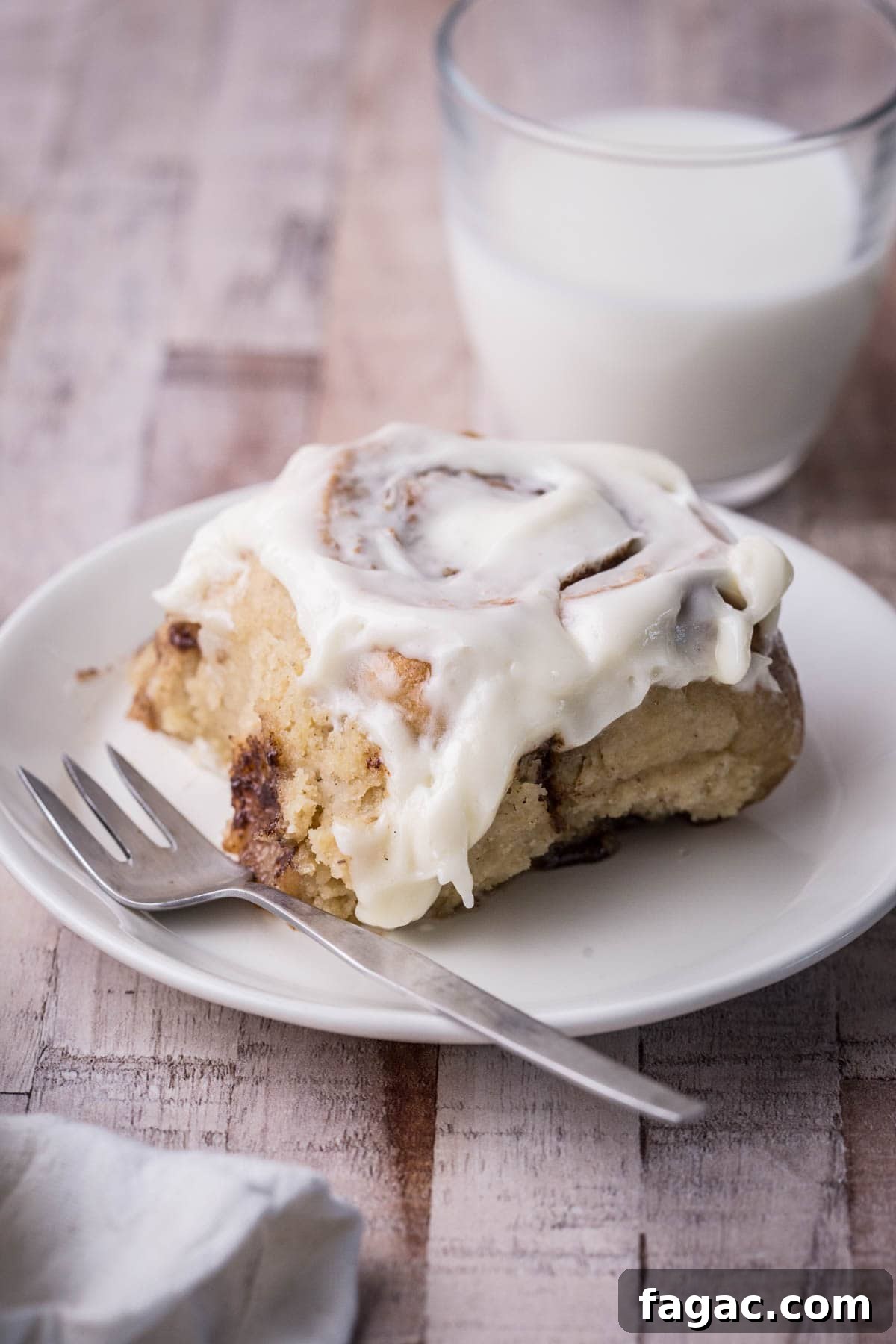
Frost: Whisk frosting ingredients until smooth and pour over warm rolls so it melts slightly into the swirls.
Expert Tips
Yeast activation: The yeast should form a thick layer of foam within 10–15 minutes. If it doesn’t, the yeast may be inactive—replace it before proceeding.
Sticky enriched dough: The dough will be tacky. Use a stand mixer if possible and dust hands and surface with tapioca flour to shape and roll.
Warm, humid proving: A turned-off oven with a tray of just-boiled water on the bottom creates a reliably warm, steamy environment for the dough to rise.
Rolling technique: Roll from the long side into a tight log and keep the seam underneath. Use the parchment to support and keep the log even.
Cut clean slices: Measure 2-inch (5cm) portions and cut with dental floss for neat edges without squashing the rolls.
Make-ahead option: After cutting, place rolls in the baking dish, cover and refrigerate overnight. Remove and allow a 30–40 minute warm rise before baking.
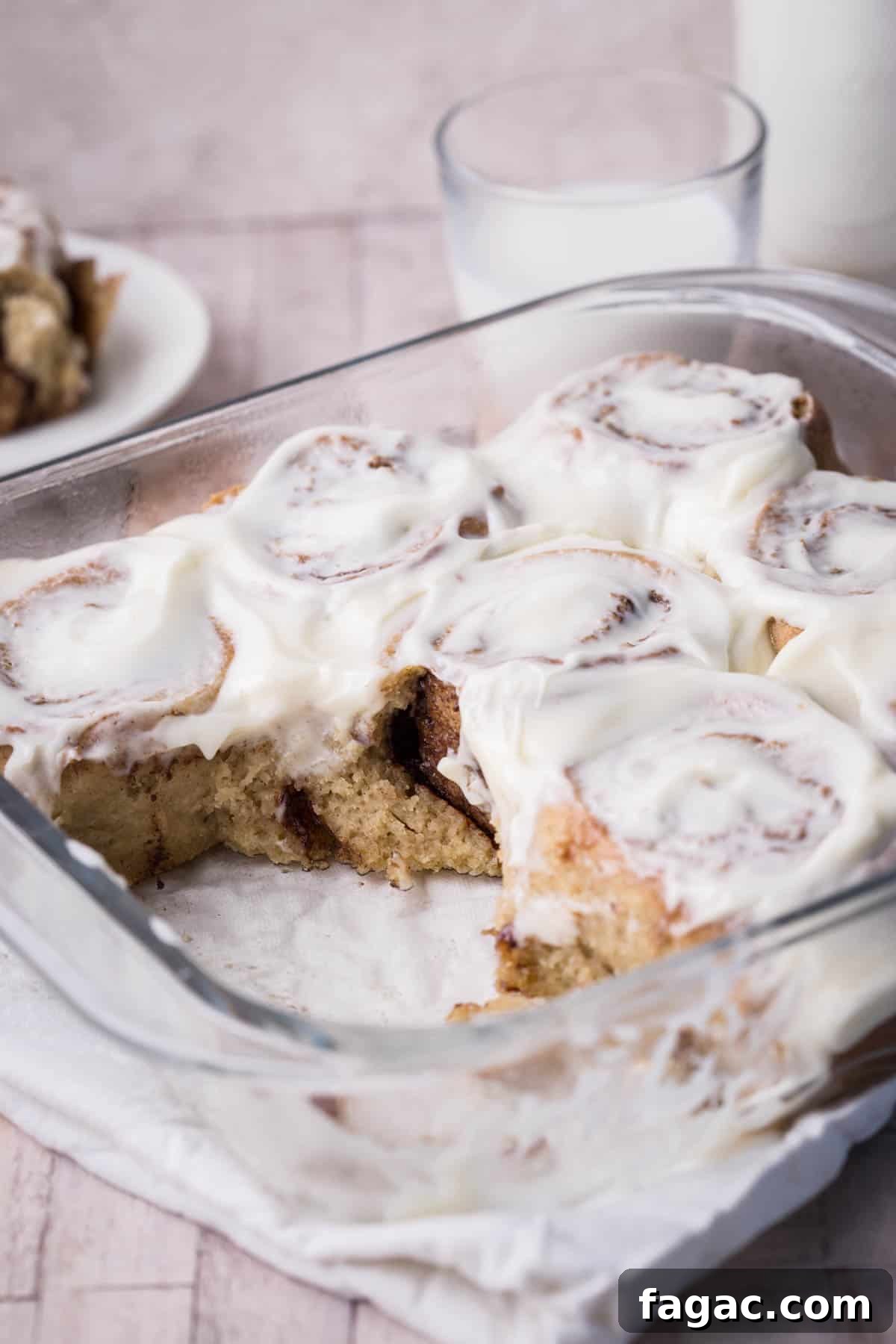
Frost while warm: Allow the rolls to cool 5–10 minutes after baking, then spread the frosting. It will melt slightly and keep the centers moist.
FAQs
Check the yeast first—was it properly activated and foamy before mixing? Old or inactive yeast will not give a good rise. Also confirm proofing conditions: the dough needs a warm, slightly humid location. If your kitchen is cool, try proofing in the oven with a tray of hot water. If needed, extend the proof by 15–30 minutes.
Avoid overbaking and add the frosting while the rolls are still warm—this locks in moisture and keeps the centers soft.
Yes. Prepare the rolls through the first proof, shape and cut them, place them in the pan and refrigerate overnight. The next morning allow them to come to room temperature and complete the final rise before baking. They can be kept covered in the fridge for up to 48 hours before baking.
Store frosted rolls in their baking pan, covered, in the refrigerator for up to three days. Reheat individual portions when ready to serve.
For a single roll, microwave on high for 60 seconds from chilled, or 30 seconds from room temperature, covered to retain moisture.
Yes—freeze before baking. Complete the first rise, shape and cut, place rolls in the pan, wrap tightly in cling film and foil and freeze for up to two months. Thaw overnight in the fridge, then allow the second rise at room temperature before baking.
Flavour Variations
Chocolate chip: Fold in a generous handful of chocolate chips to the filling and add 2 tablespoons cocoa powder to the cinnamon sugar. Swap the cream cheese frosting for a chocolate glaze made with icing sugar, cocoa and a splash of milk.
Apple pie: Sauté diced apples with butter and a little brown sugar until slightly softened, cool, then spread over the cinnamon-sugar before rolling.
Maple pecan coffee: Add instant coffee powder to the filling and scatter chopped pecans across the sugar. Finish with a maple-flavoured glaze in place of the cream cheese frosting.
More Gluten-Free Recipes You’ll Love!
- Gluten-Free Apple Pie
- Gluten-Free Banana Bread with Almond Flour
- Gluten-Free Scones (no xanthan gum)
- Gluten-Free Sweet Potato Cake with Cinnamon Swirl
- Gluten-Free Hot Cross Buns
Soft & Fluffy Gluten-Free Cinnamon Rolls (no xanthan gum)