Baked, poached, roasted, grilled, brûléed, sautéed, or broiled — fresh-cooked fruit transforms into a seasonal, delicious, and healthy dessert with very little effort.
Of course, fresh raw fruit is itself a perfect dessert. Here, though, the focus is on cooked fruit and the many ways heat enhances texture, flavor, and sweetness. A little cooking unlocks new layers of taste and creates desserts that feel both comforting and refined.
Three essential elements: fruit, liquid, and flavor.
Fruit: Any edible fruit can be used. Pick what’s in season and local when possible — ripe fruit will taste better and cooking it amplifies that sweetness. Your food choices reflect the kind of world you want to live in, so seasonal, local picks are a delicious way to show care.
Liquid: Use water, citrus juices, tea, coffee, wine, brandy, liqueur, or fruit syrup. The liquid helps carry heat, concentrate sugars, and infuse aroma.
Flavorings: Add spices, fresh or dried herbs, vanilla, ginger, citrus zest, salt, and sugar. Flavor can also come from the liquid you choose — for example, poaching in vanilla-scented wine or citrus syrup adds complexity.
Many people assume desserts require butter, cream, or lots of sugar. Dessert simply means the sweet course at the end of a meal, and fruit at peak ripeness is naturally sweet. A short cooking time intensifies that sweetness while keeping the dessert light and nutritious. With a basic fruit + liquid + flavor framework, there are endless variations to explore.
This is a practical guide to cooked fruit desserts, intended as a blueprint to inspire experimentation.
Mix and match fruit, liquid, and flavor: add a splash of liqueur to berries, poach pears in espresso and bourbon, or simmer stone fruit with ginger and star anise. The guide below divides fruits by season as they ripen in California; adjust for your local calendar. The point is to celebrate the rhythm of the seasons and use what’s freshest where you are.
Whether it’s the first cherries in spring, an abundance of stone fruit in summer, pomegranate seeds in autumn, or citrus in winter, cooked fruit highlights seasonal character and color.
Note: summer-focused recipes are presented first; other seasons are added over time.
Why Cook Fruit for Dessert
- Intensified flavor: Heat concentrates natural sugars and enhances aroma. A pinch of salt deepens the overall profile.
- Fast and simple: Many cooked fruit desserts take just 5–10 minutes of prep; the cooking method does the rest.
- Softens firmer fruit: Gentle cooking can tenderize underripe or firmer fruit, making it more enjoyable.
- Extremely versatile: Methods include baking, poaching, roasting, grilling, brûléeing, sautéing, or broiling. Liquids and seasonings can range from citrus juice to wine or tea, and spices can include cinnamon, ginger, vanilla, star anise, and more.
- Nutritious: Fruit delivers vitamins, minerals, and fiber. Serve with a small scoop of ice cream or yogurt for contrast and balance.
Eat locally, eat seasonally, and enjoy healthy fresh fruit desserts made quickly and simply.
Summer
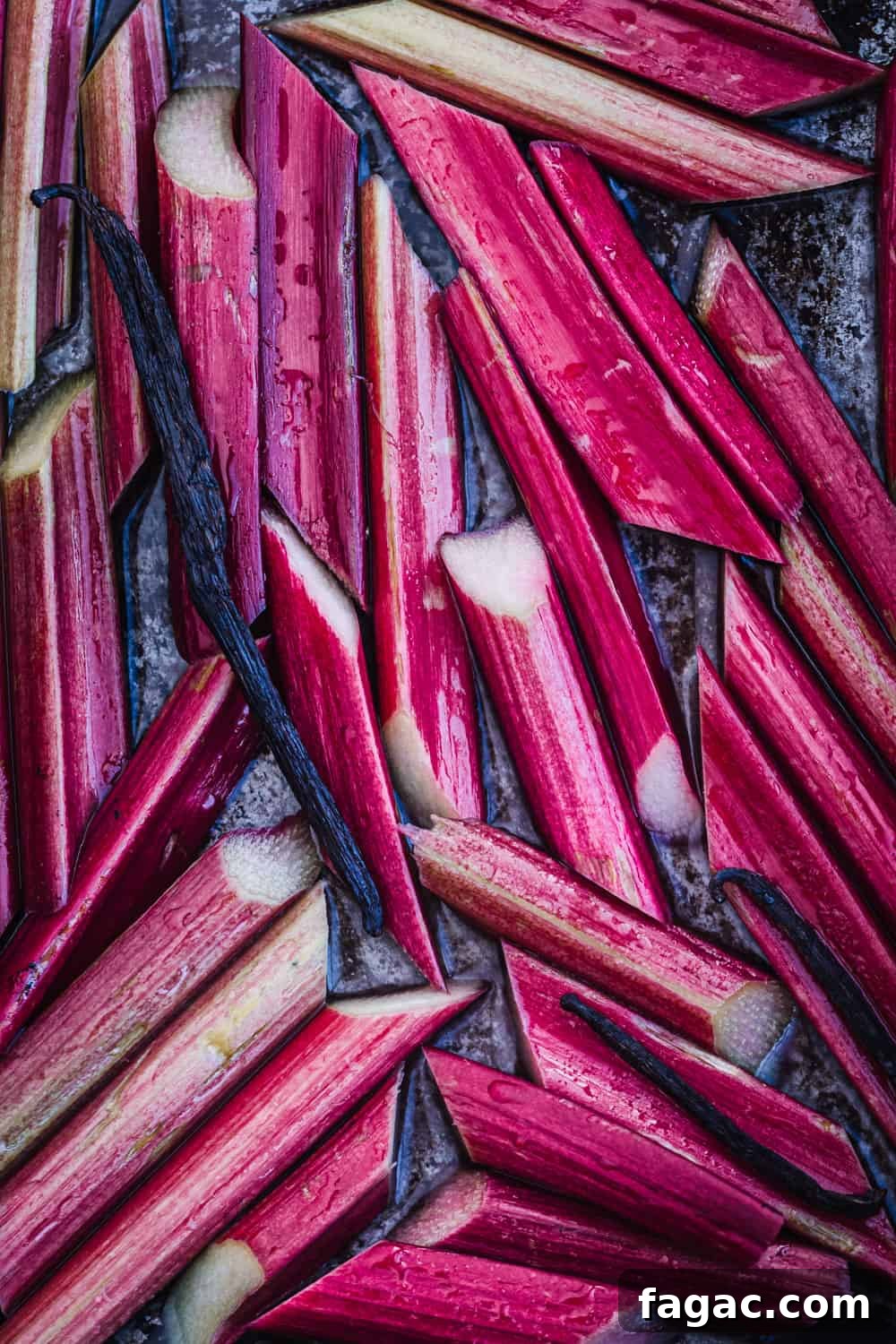
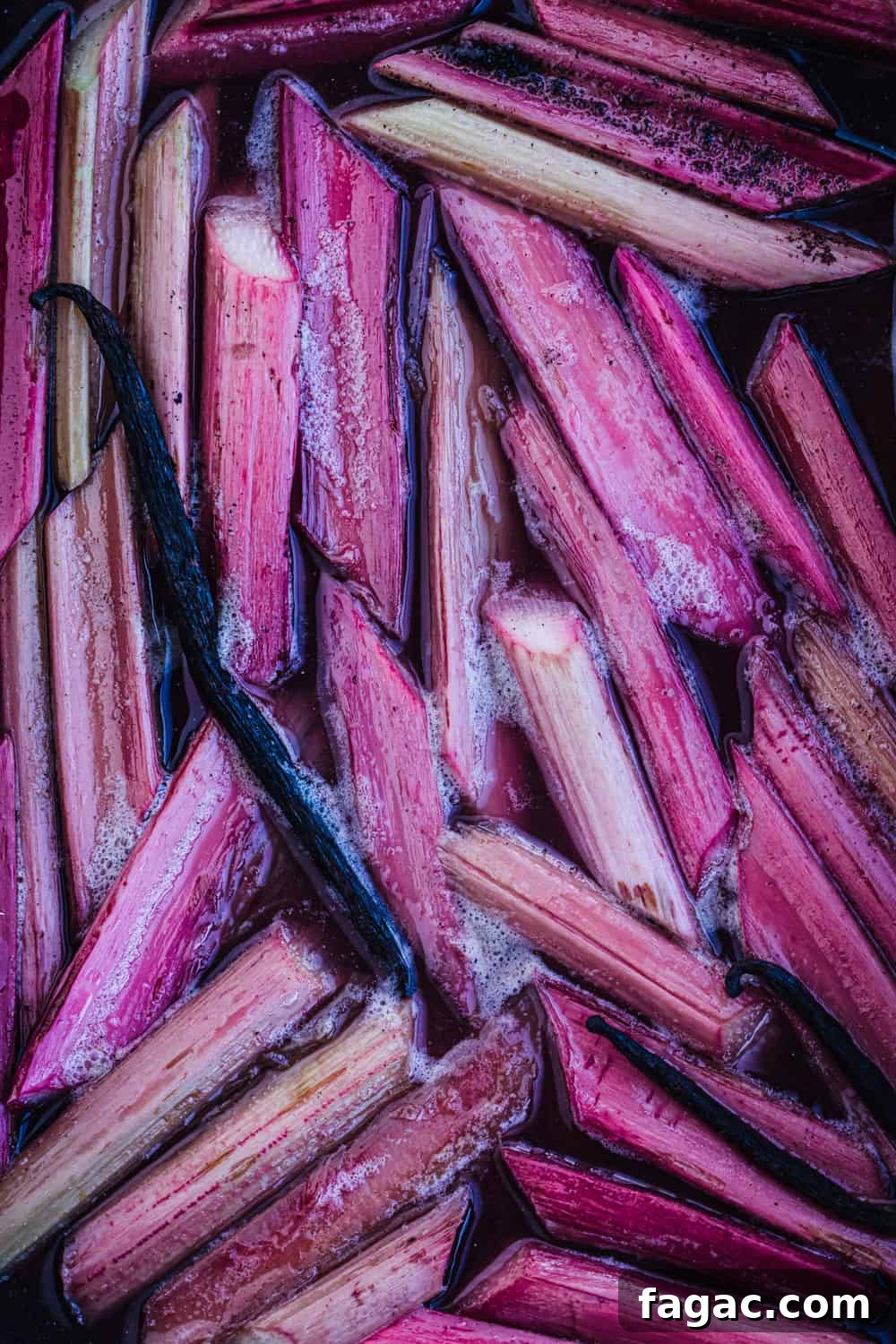
Vanilla Poached Rhubarb
Gently poaching rhubarb turns its tart, fibrous stalks into silky, tender, and sweet bites. Poached rhubarb works beautifully as a topping for yogurt, ice cream, or a simple cake, and it pairs well with both sweet and savory dishes.
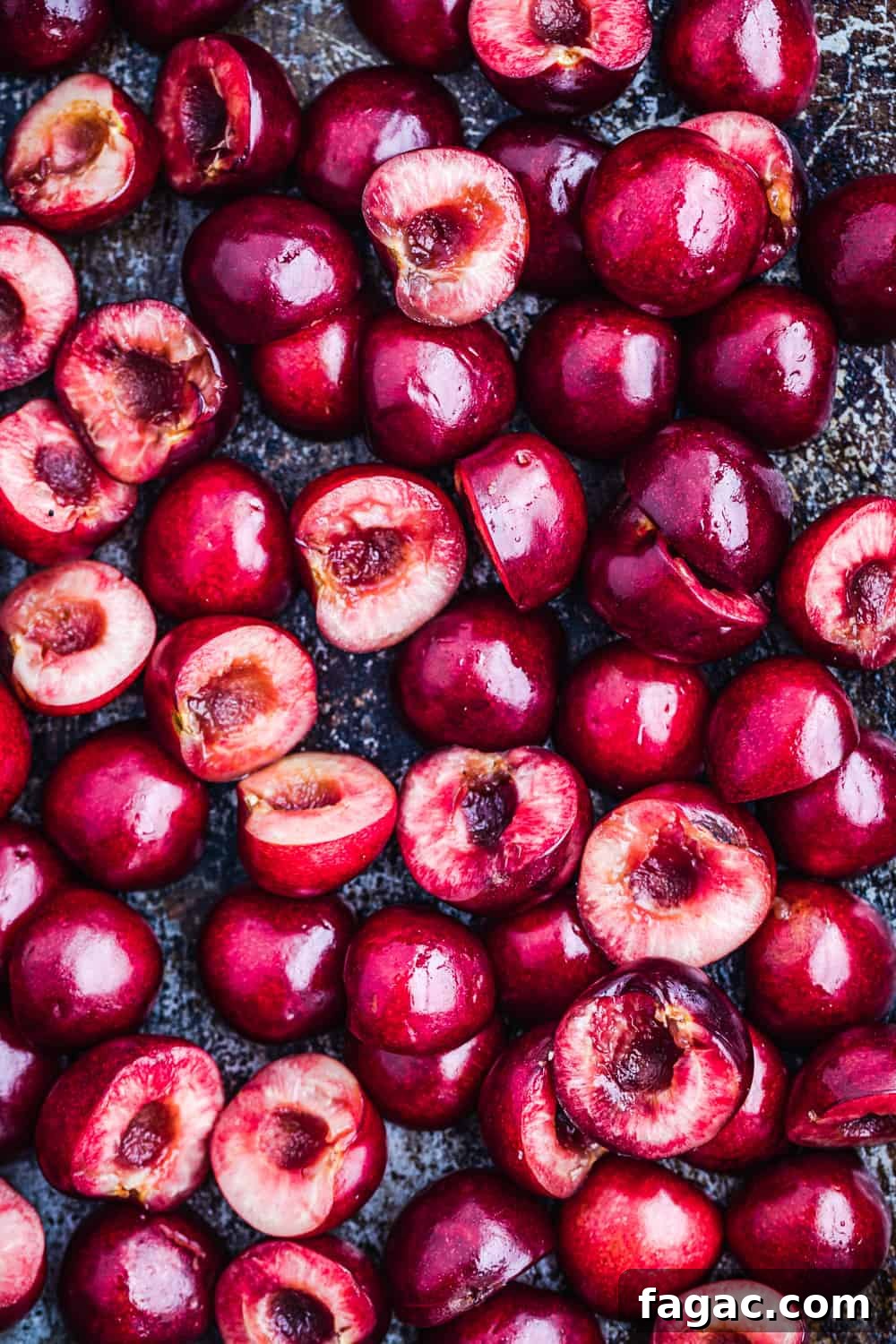
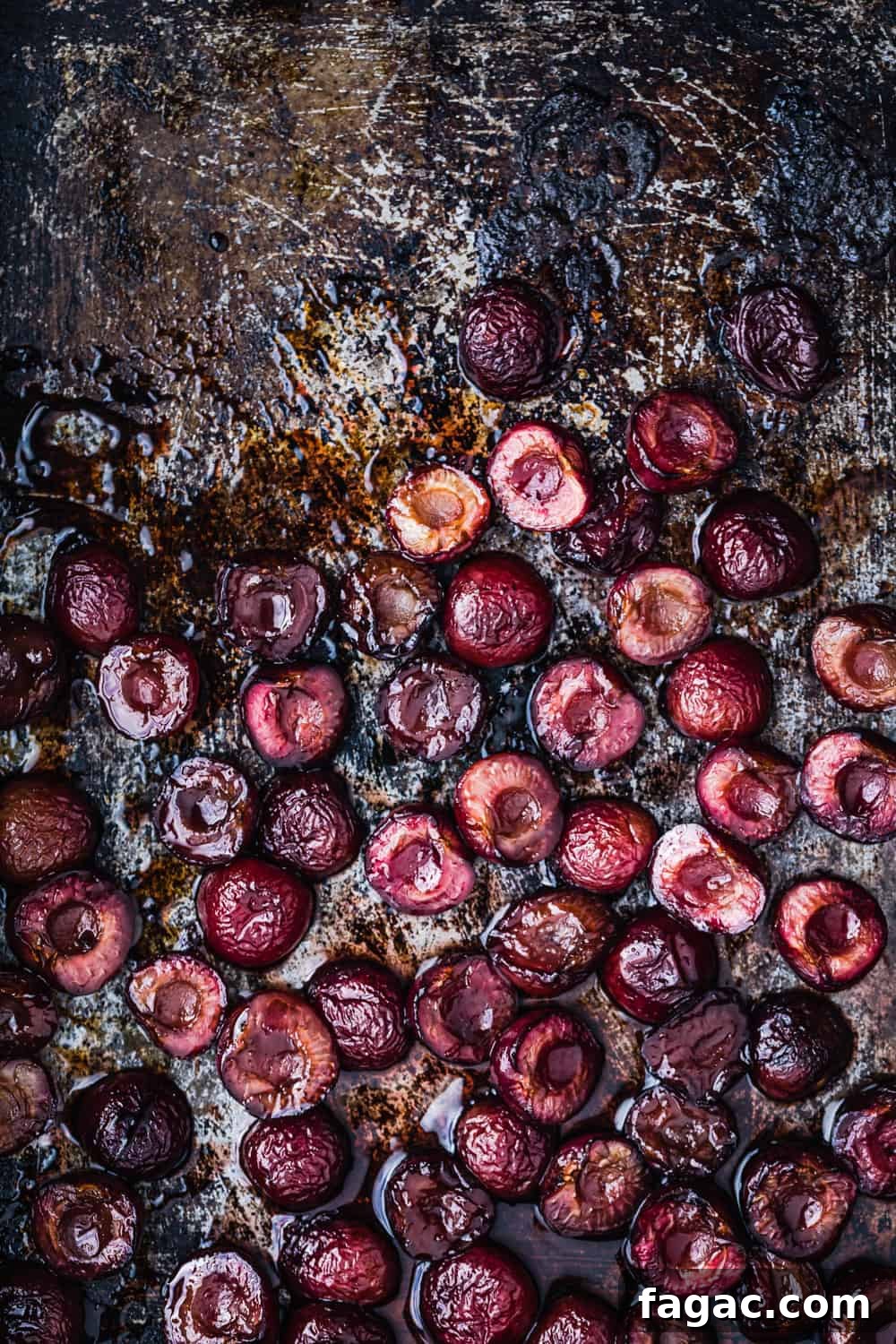
Roasted Cherries
Roasting cherries caramelizes their natural sugars and concentrates flavor. The result is glossy, lush cherries that elevate simple desserts or breakfast dishes.
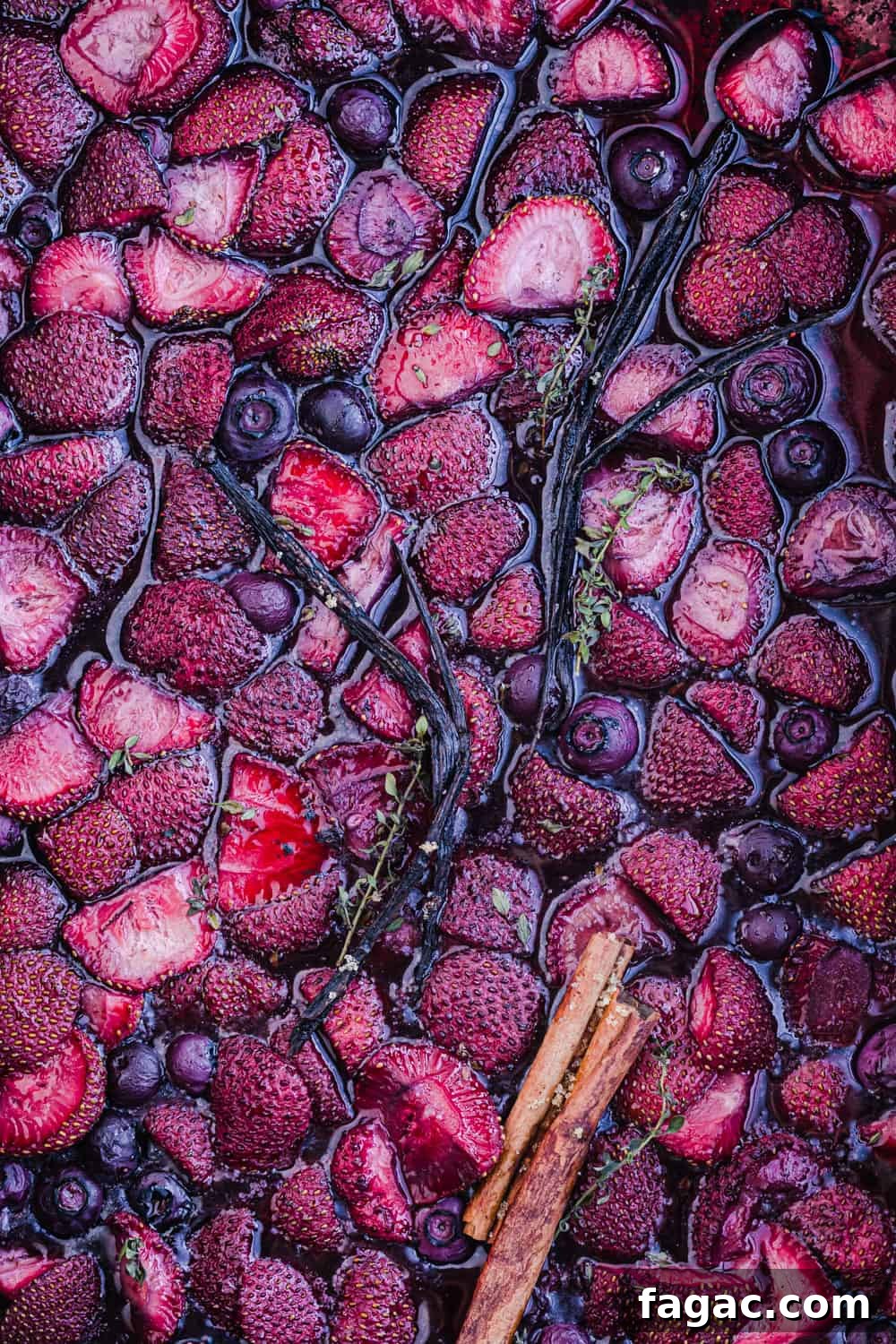
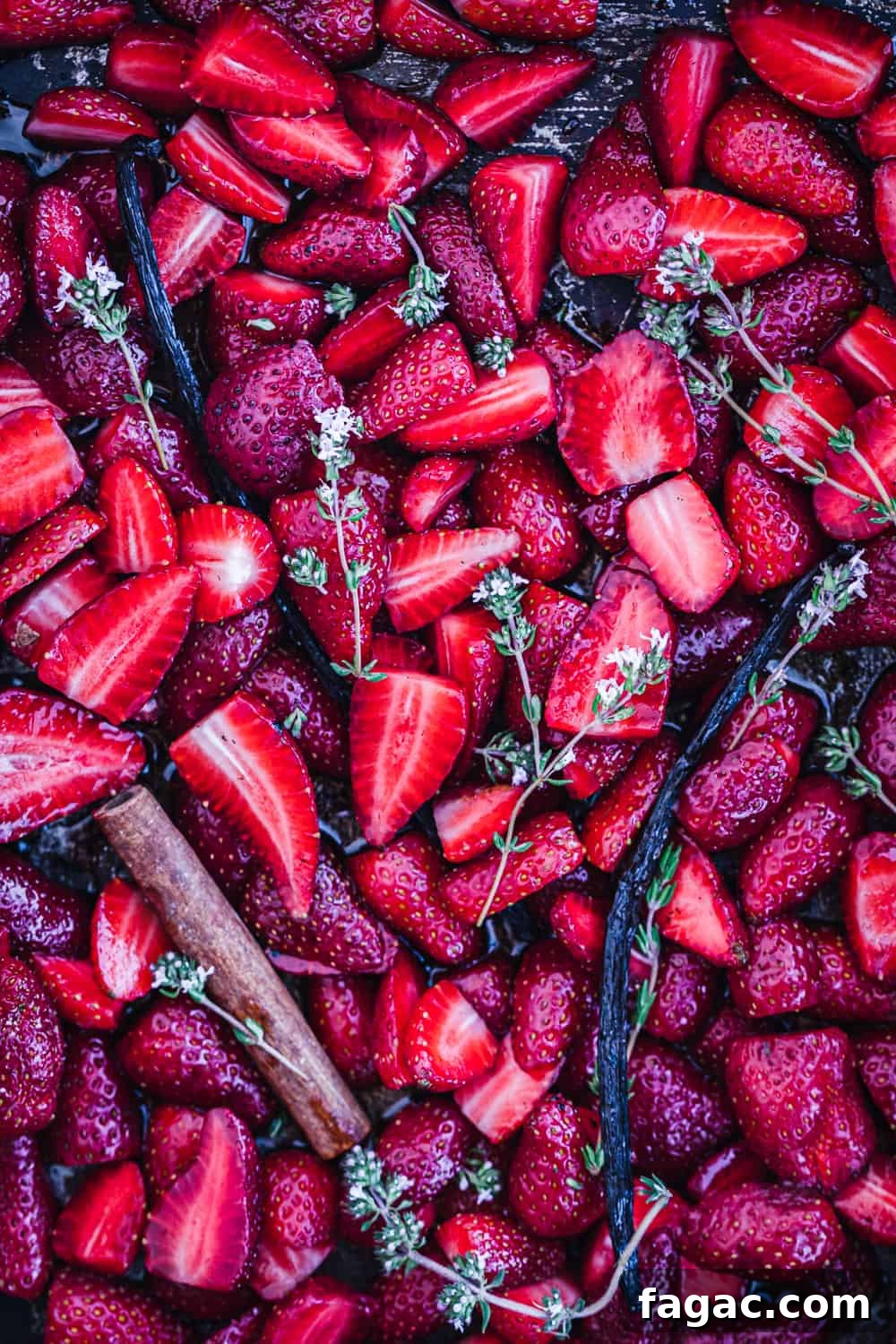
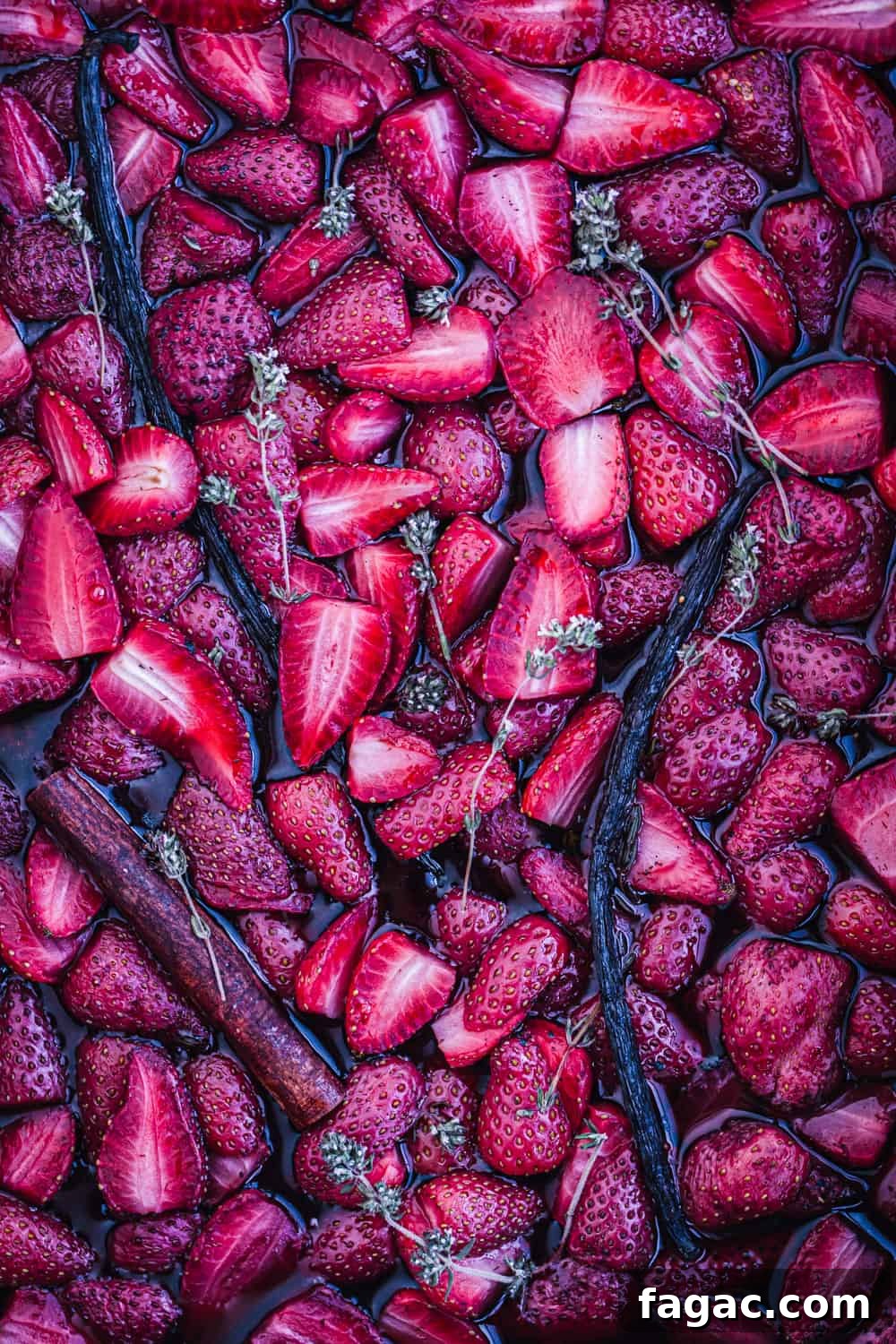
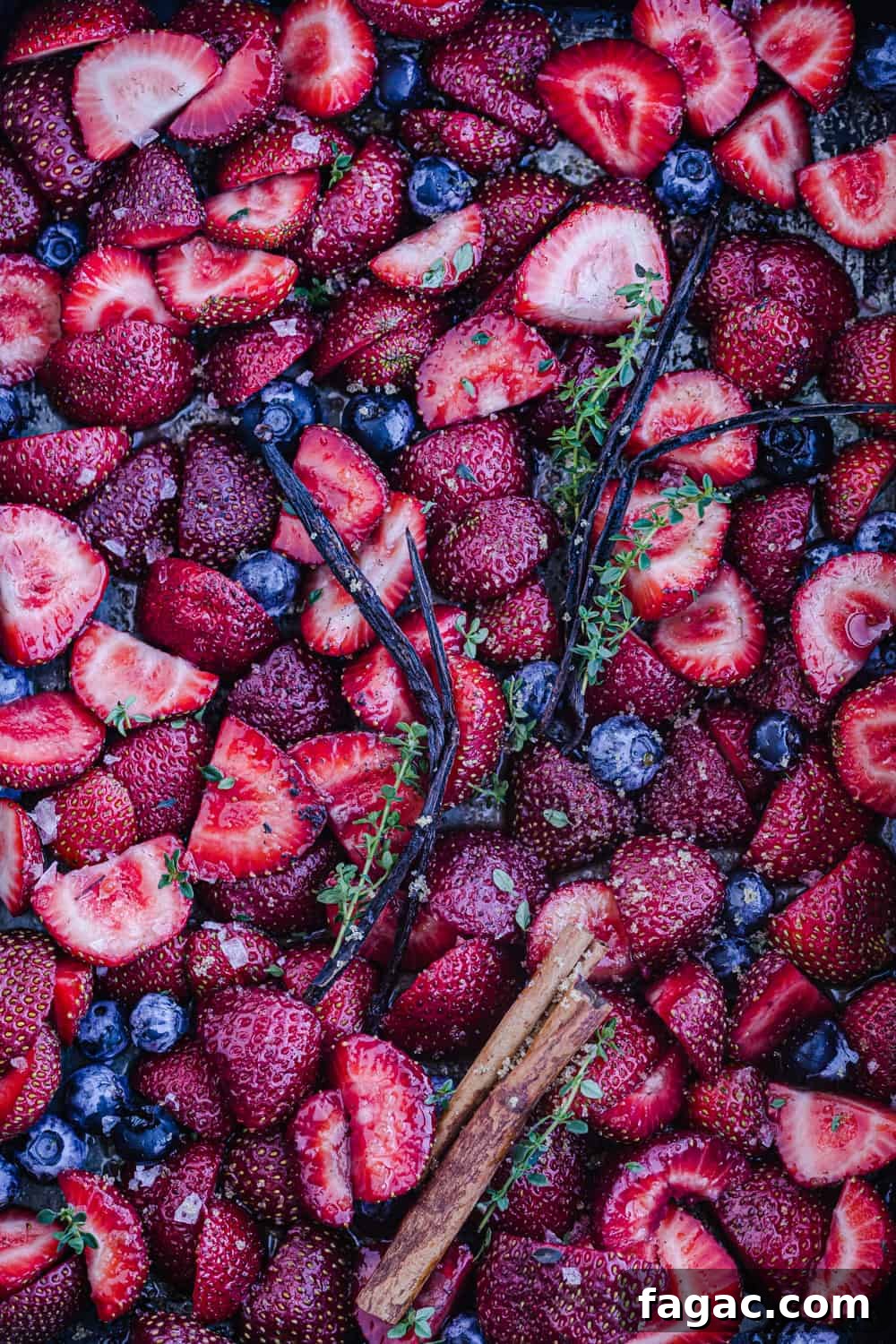
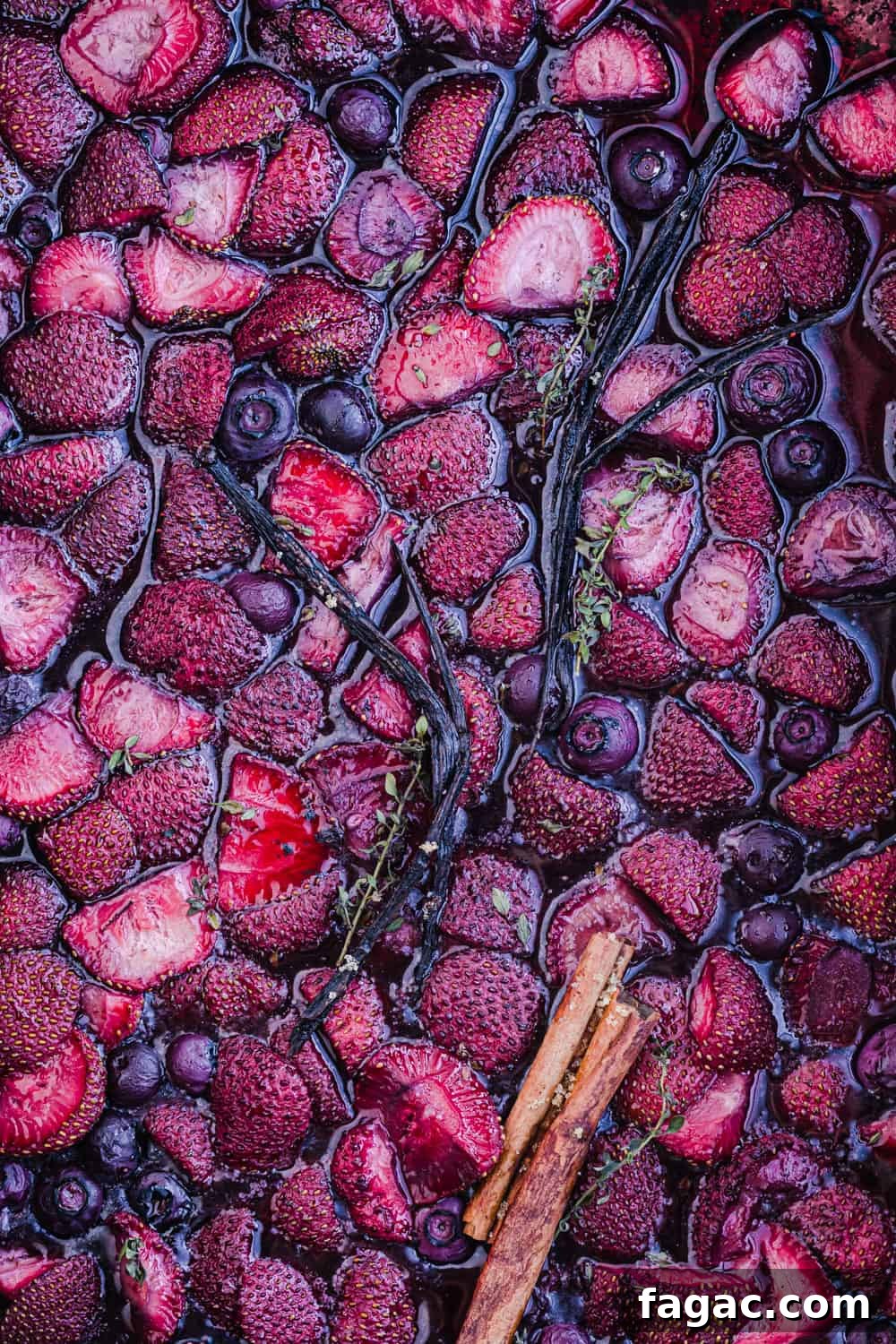
Roasted Strawberries
A quick roast turns strawberries into syrupy, aromatic fruit that brightens pancakes, ice cream, or a simple spoonful over fresh ricotta. Use thyme, vanilla, or balsamic for different flavor directions.
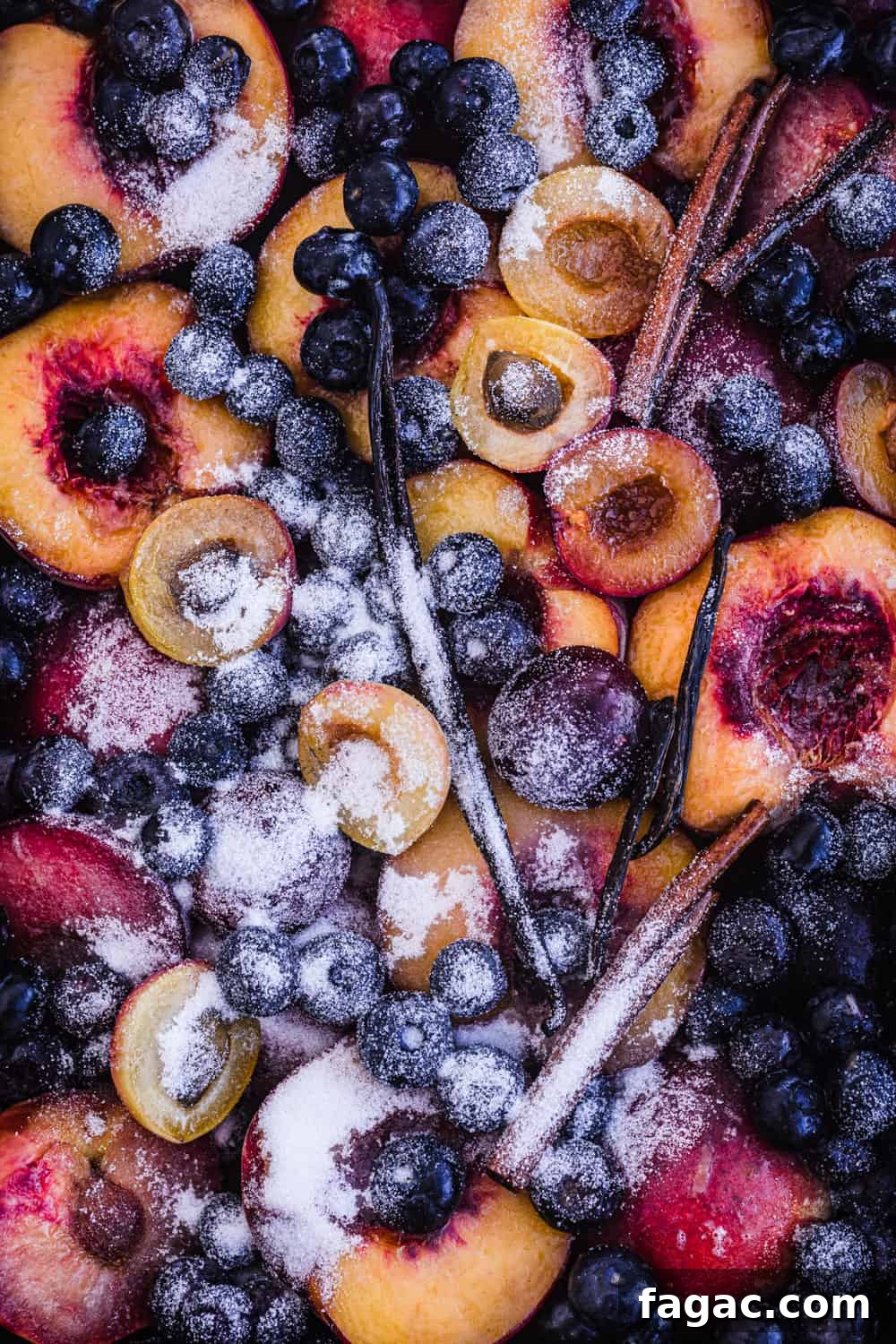
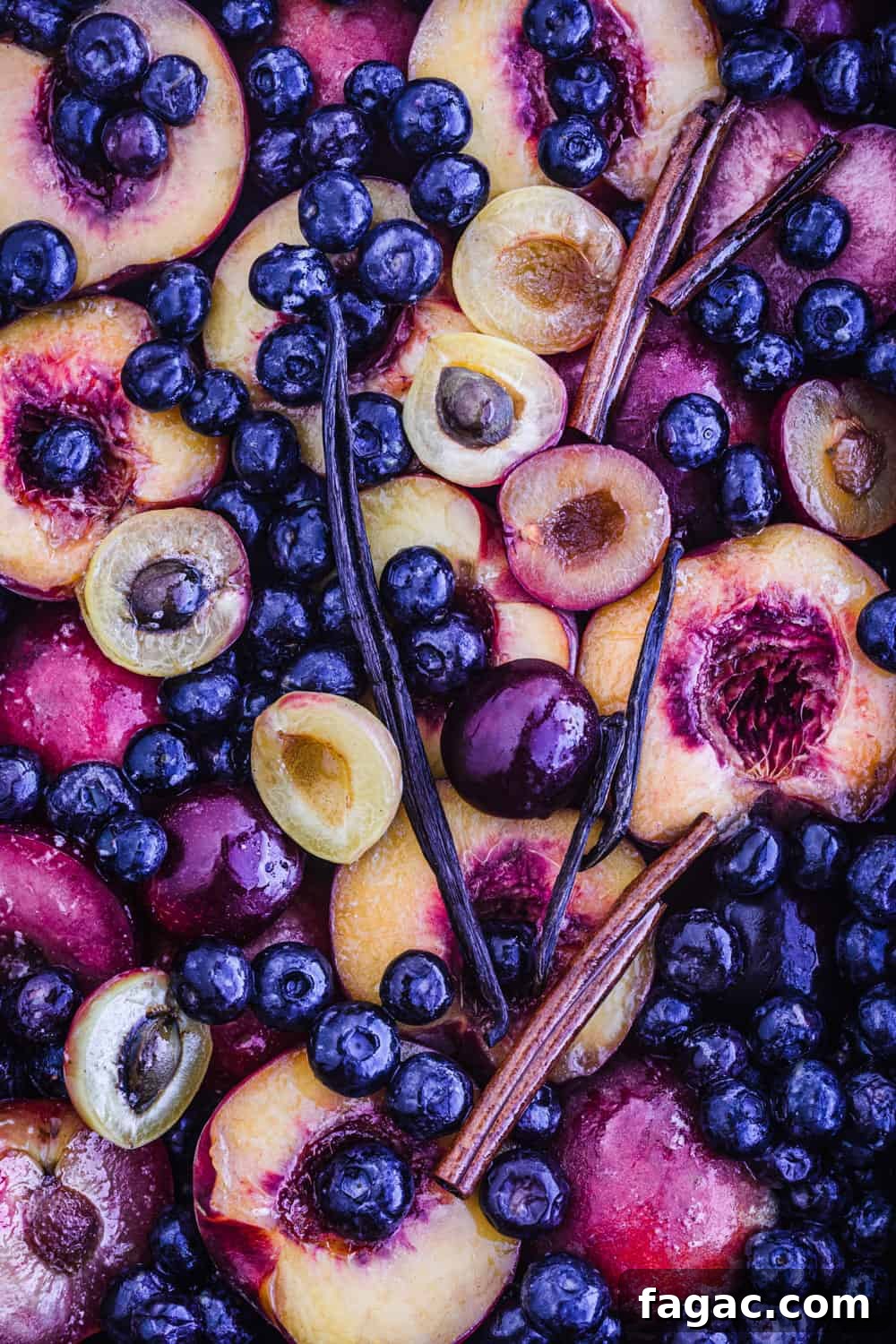
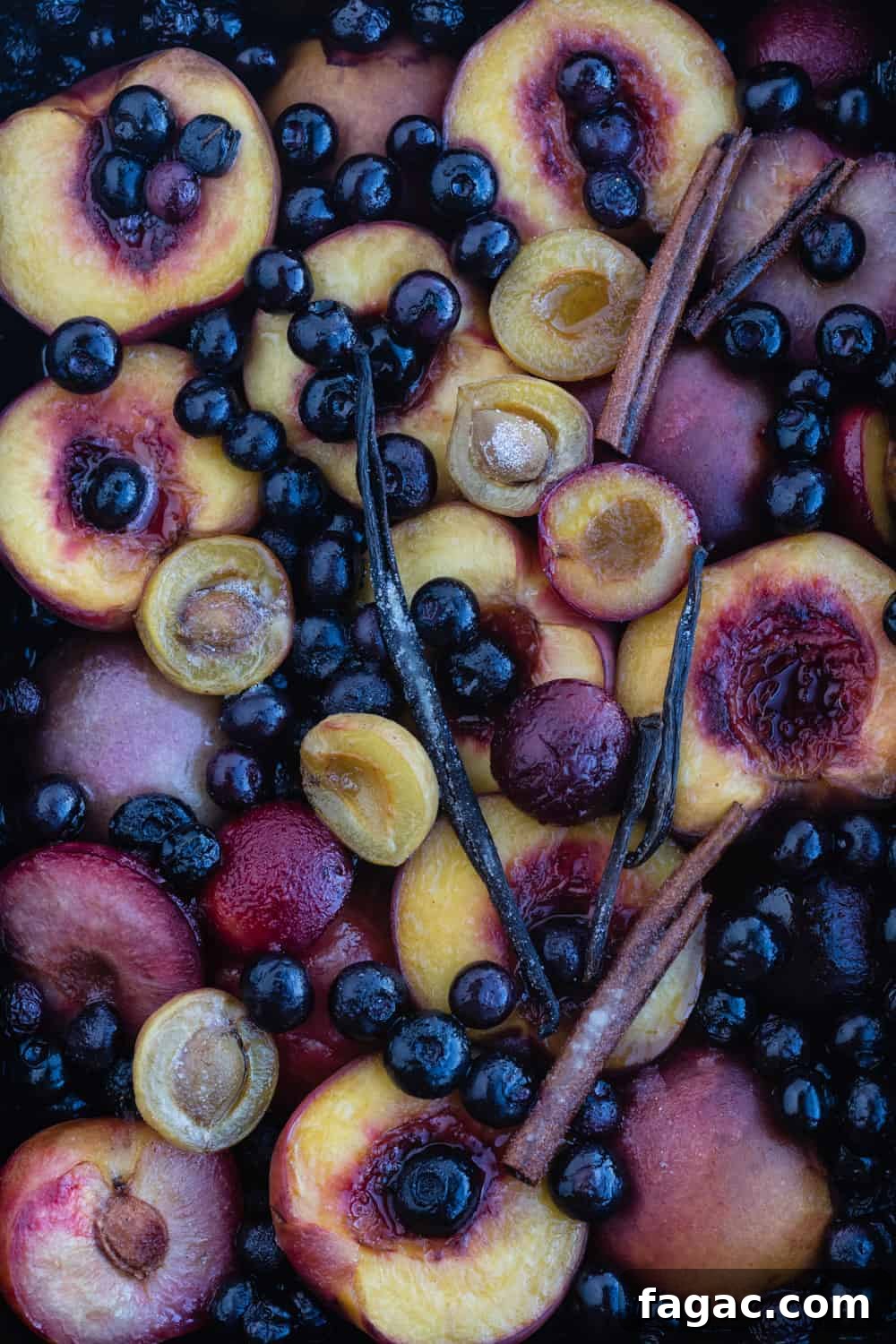
Baked Peaches and Other Stone Fruit
Baking peaches, plums, or nectarines brings forward their natural sugars and aroma. Add a little butter or olive oil, a sprinkle of sugar or honey, and fresh herbs or spices for a simple warm dessert that pairs beautifully with ice cream or yogurt.
If it’s a fruit, it can be cooked. Explore textures, temperatures, and pairings to discover what you like best.
If you’re craving autumn flavors early, try poached pears with warm spices and red wine or a simple syrup — poaching highlights pear aroma and makes a lovely topping. Use served fruit to top cakes, toast, yogurt, or scoop over ice cream.
If you try any of these methods, consider leaving a note about what you made and how you served it. Cooking fruit is an approachable way to create memorable desserts with minimal fuss and maximum seasonal flavor.
There are many more seasonal recipes and produce guides available to explore. Embrace the season, keep things simple, and enjoy the natural sweetness of fruit in new and delicious ways.
Let’s make waves in the kitchen.