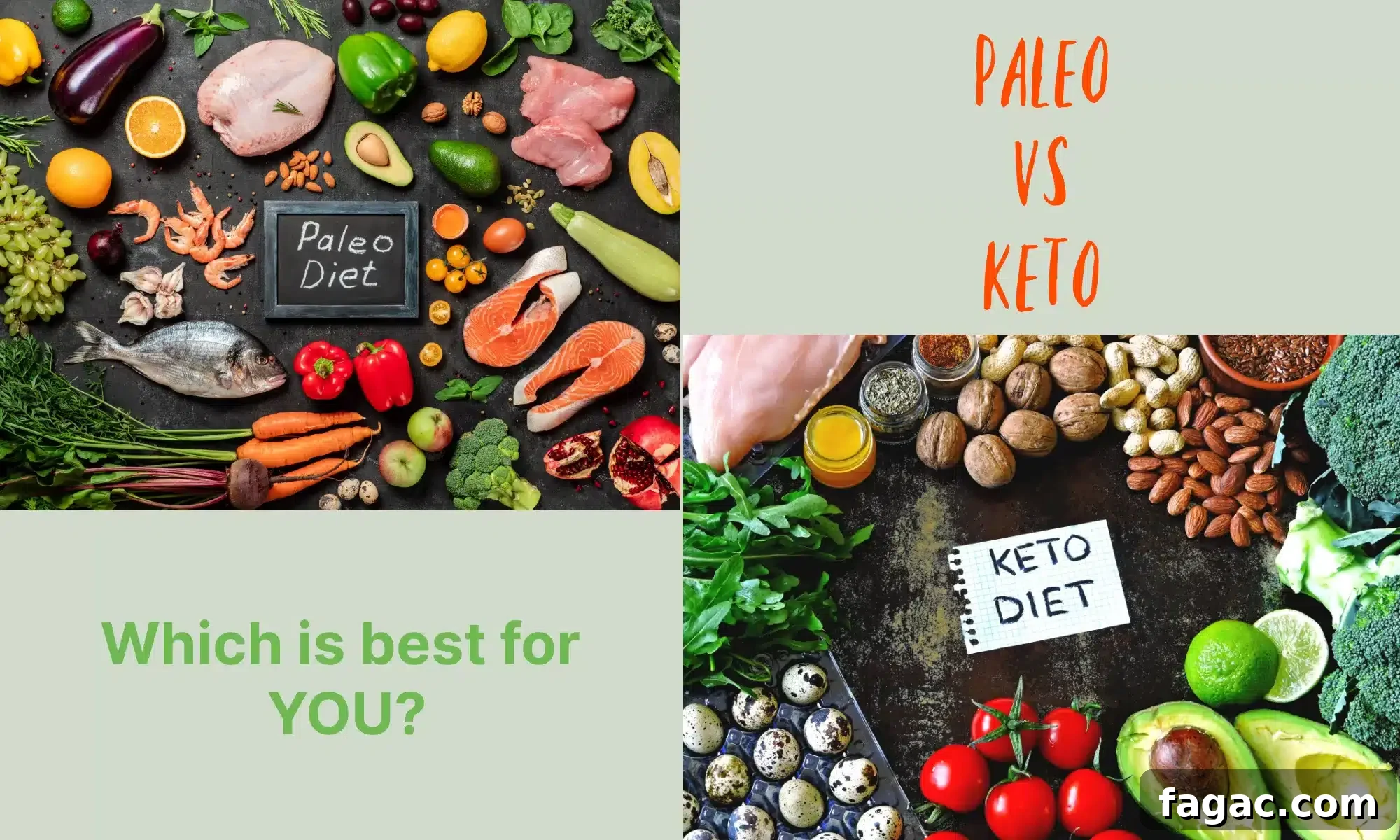
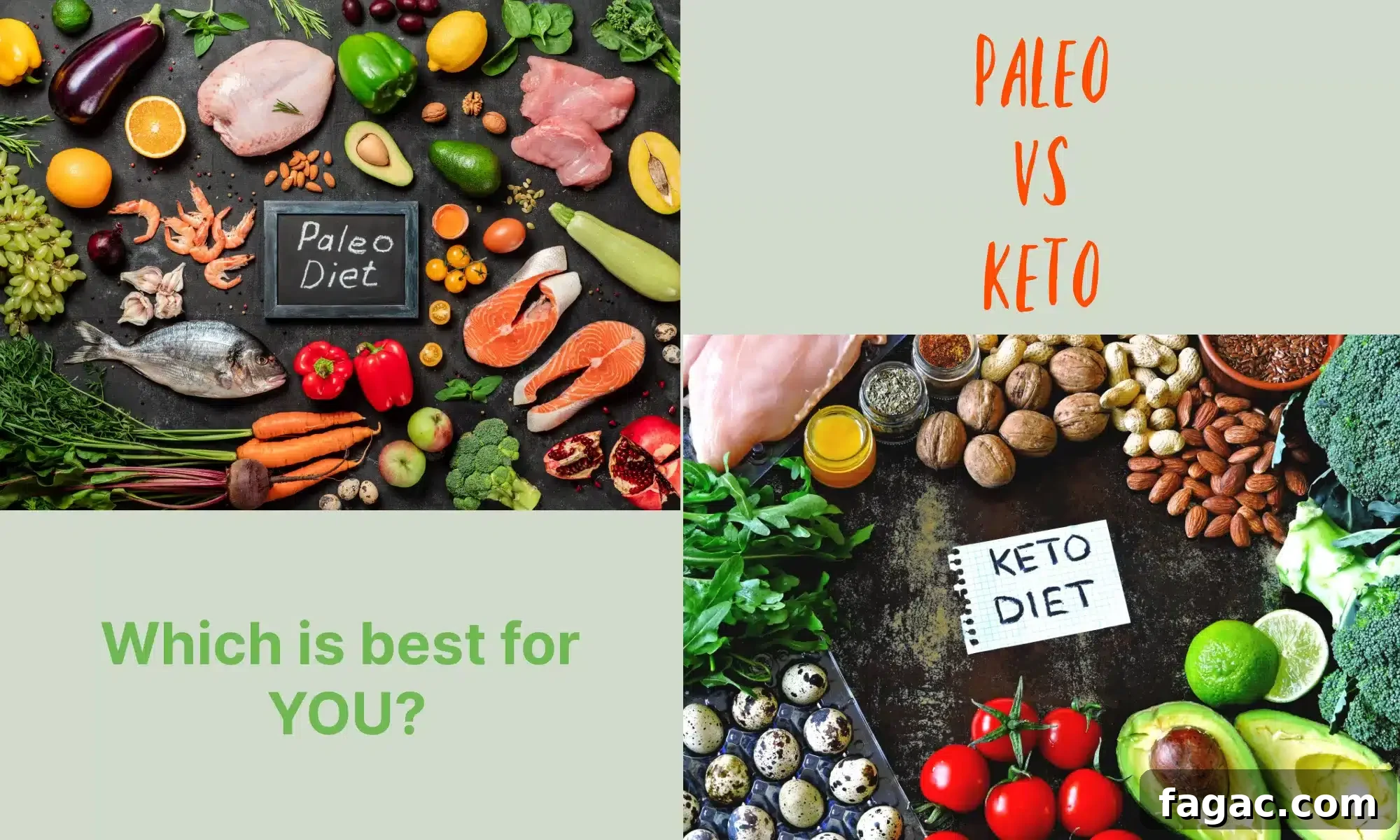
The Paleo and keto diets are two popular eating approaches that have gained wide attention in recent years. While they share some common ground—such as encouraging whole foods and limiting refined sugars—they differ significantly in purpose, structure, and the foods they emphasize.
In short: Paleo emphasizes whole, unprocessed foods similar to what our ancestors might have eaten, without strict limits on macronutrient ratios. Keto focuses primarily on keeping carbohydrate intake very low so the body shifts into ketosis, prioritizing high fat intake regardless of whether foods are “Paleo-friendly.”
What is the Paleo diet?
The Paleo diet, short for Paleolithic, is designed to resemble the eating patterns of early human hunter-gatherers, predating the agricultural revolution. The focus is on whole, minimally processed foods that would have been available in the Paleolithic era.
Foods commonly excluded on a Paleo diet include:
- All grains, including wheat, oats, rice, and similar products
- Pseudocereals such as quinoa (some people include them, but they are debated within the Paleo community)
- Dairy products
- Refined sugars and artificial sweeteners
- Legumes, including beans, peanuts, and soy
What is the keto diet?
The ketogenic, or keto, diet is a very low-carbohydrate eating plan that aims to induce ketosis, a metabolic state in which the body burns fat for fuel instead of carbohydrates. To reach and maintain ketosis, carbohydrate intake is typically limited to well below 50 grams per day, and often under 20 grams for stricter versions.
Keto diets are high in fat—often around 70 to 80 percent of daily calories—to supply the body with fat-derived ketones as an alternative energy source. Because carbs are so restricted, many common fruits, starchy vegetables, and grains are minimized or avoided while fatty foods and low-carb vegetables are emphasized.
What’s the purpose of keto vs. paleo diets?
Keto
The primary aim of the ketogenic diet is metabolic: to shift the body into burning fat as its main fuel source. People follow keto for weight loss, blood sugar control, or specific therapeutic purposes. Staying consistently low in carbohydrates is essential; otherwise, it’s easy to “come out of ketosis” and return to using glucose as the primary energy source.
Paleo
Paleo’s main goal is dietary quality—encouraging whole, unprocessed foods while avoiding modern processed ingredients that did not exist in the Paleolithic era. Weight loss can be a byproduct, but the emphasis is on overall health and nutrient-dense food choices rather than strict macronutrient targets.
Keto vs Paleo – similarities and differences
Both diets overlap in certain areas but diverge in important ways. Below is a concise comparison of shared traits and key distinctions.
| Similarities | Differences |
| Both discourage refined sugars and highly processed foods | Keto permits certain artificial sweeteners to reduce carbohydrate intake; Paleo does not |
| Both limit most grains | Keto is defined by strict carbohydrate limits and macronutrient ratios; Paleo is not |
| Both emphasize animal proteins, nuts, seeds, and non-starchy vegetables | Paleo excludes dairy and soy broadly; keto may include low-carb dairy and some legumes in moderation |
| Both can be used to support weight loss or improved metabolic health | Keto allows low-carb flours and processed low-carb substitutes that Paleo typically avoids |
| Paleo allows some natural sweeteners like honey; keto generally restricts them due to carb content | |
| Fruit is more freely allowed on Paleo, while keto limits high-carb fruits |
Which is better – keto or paleo?
There is no single “best” diet for everyone. Which approach is better depends on your goals, health history, and preferences. Paleo offers a flexible framework centered on whole foods and may be easier to sustain long term for people who prefer not to track macronutrients. Keto provides clear, measurable rules that can deliver rapid metabolic changes and weight loss for some, but it can be more restrictive and harder to maintain.
Those concerned about high dietary fat or with specific medical conditions should consult a healthcare professional before starting keto. Conversely, people seeking a simpler, food-quality-focused plan may find Paleo a practical option.
FAQs
Both can support health when followed thoughtfully. Paleo tends to include a wider range of foods and emphasizes unprocessed choices, while keto restricts carbohydrates and increases dietary fat. Individual health needs and medical conditions determine which is more appropriate.
Paleo is not inherently low-carb, so it usually does not induce ketosis unless you deliberately limit carbohydrates to levels comparable to a ketogenic plan.