Discover an effective genealogy strategy for locating female ancestors by researching their children. Records created for children often reveal crucial information about mothers who are otherwise hard to find.
Finding female ancestors often requires a flexible approach. Focusing only on the woman herself can limit your results. By shifting attention to relatives, neighbors, and especially her children, you open new paths to identifying her maiden name and building the maternal line.
This article examines how researching a woman’s children can reveal key clues about the mother.
If that sounds surprising, relax with a cup of coffee or tea and let’s explore what children’s records can tell the genealogy researcher.
How to Track Female Ancestors Using Their Children’s Records
Many documents created for a child include information about the mother. One primary goal for researchers is discovering a woman’s maiden name, since that name usually unlocks earlier generations. Without it, extending a maternal line or proving descent for lineage societies is difficult.
Below are the most productive types of children’s records and how to use them to learn more about the mother.
Birth Records
When you can identify a child, search for the child’s birth record. Birth certificates and church baptism registers often list the mother’s maiden name. Even a newspaper birth announcement can supply the mother’s given name.
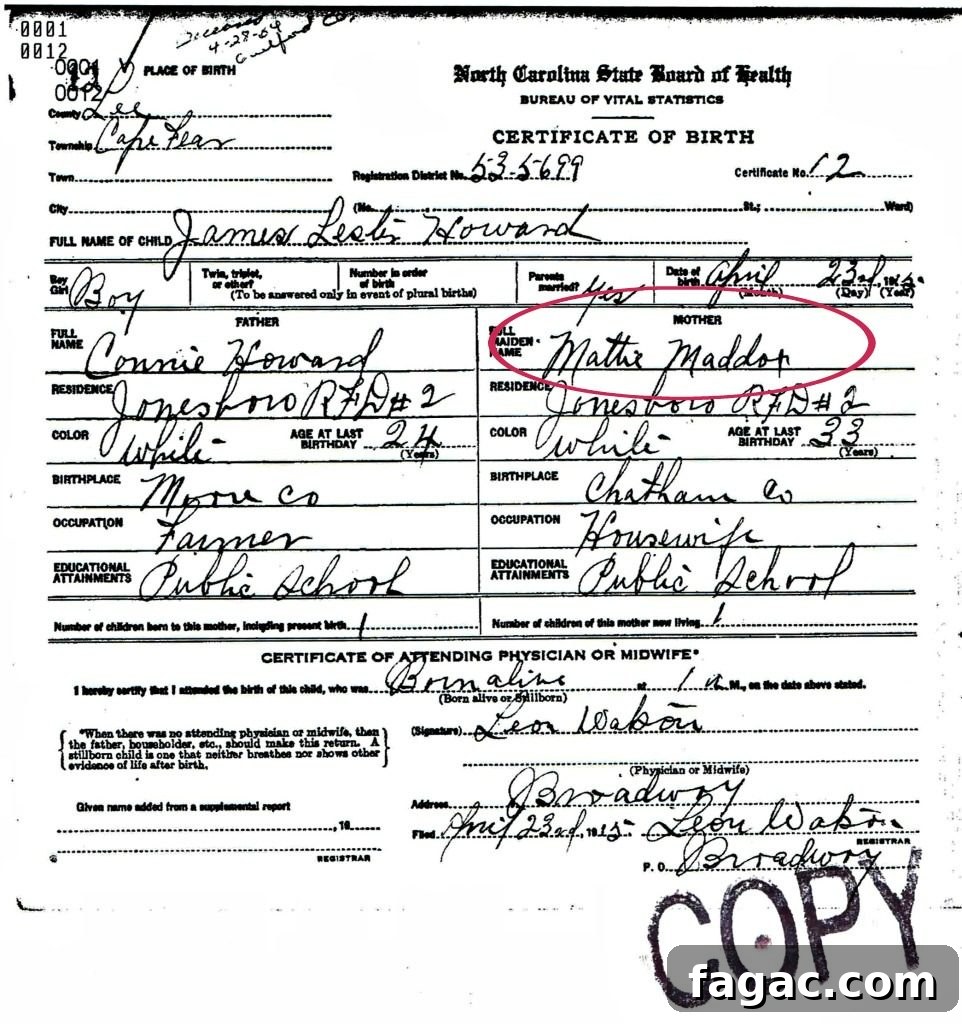
Any birth record places the mother at a specific place and time, which helps guide searches for other records about her and the child’s father.
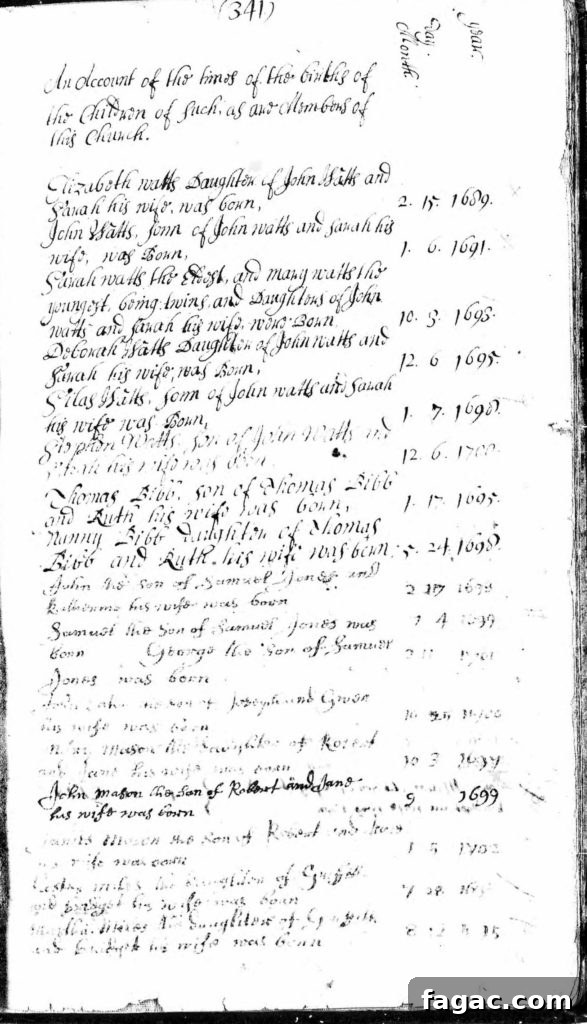
For example, church registers sometimes summarize baptisms. A heading such as “An Account of the births of the Children of Such as are Members of this Church” can point you toward a cluster of family events in a single congregation.
Death Records
A child’s death certificate or burial record sometimes records the mother’s maiden name. Treat death records as secondary sources, however: the information reflects what the informant knew. Always note who provided details on the death record and assess how reliable that person’s knowledge would be.
Tombstones
Gravestones can identify parents. For instance, a stone reading “daughter of J.T. & M.J. Maddox” shows the mother’s initials and places the family in a particular cemetery and community.
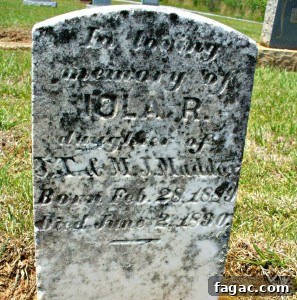
From such an inscription you can pursue multiple avenues:
- Look for a nearby grave for M. J. Maddox that might include a full name or dates.
- Search census records for J. T. Maddox and M. J. Maddox to discover full given names, household composition, ages, and birthplaces.
- Check county and neighboring jurisdiction marriage records for a J. T. Maddox marrying a woman recorded as M. J., which may reveal her maiden name.
Illegitimate Children
Illegitimacy introduces special challenges. Often the father is unknown, but sometimes records show a known father and an unidentified mother. These situations require a sensitive and methodical approach.
Useful strategies include:
- Collecting oral family history carefully—older relatives may hold key hints but approach the subject with sensitivity.
- Noting that children born out of wedlock frequently took the mother’s surname, making the child’s name an important clue to the mother’s identity.
- Remembering that when a father acknowledged or supported the child, the child might carry the father’s surname instead.
- Searching for bastardy bonds or related court records, where available, since these can contain detailed information about the mother and child. Many of these records do not survive, but they are worth checking when they do exist.
Bastardy bonds and similar records can be invaluable when other records are silent.
Census Records
Adult children sometimes housed their mothers in later life. Search the census records of each known child to see if the mother appears in their household. Census entries can reveal approximate birth years, places of birth, maiden names (in some cases), and evidence of remarriage.
Key Takeaways for Finding Female Ancestors
When searching for women in your family tree, follow the records created for their children. These documents frequently point back to the mother and can provide the clues you need to trace her further:
- Birth records and baptism registers
- Death records and burial registrations
- Cemetery inscriptions and tombstones
- Oral family history
- Bastardy bonds and court records
- Census records of adult children
Other Posts of Interest:
- 3 Surprising Places to Find Your Ancestor’s Lost Maiden Name
- How To Use The Pre-1850 Census to Find Your Female Ancestors
- Tracing Female Ancestors Through A Child’s Records
- What Is That Family Cemetery REALLY Telling You?
- Genealogy For Beginners – Start Finding Your Ancestors!
- How To Research Your Destitute Ancestors – Yes, It’s Possible