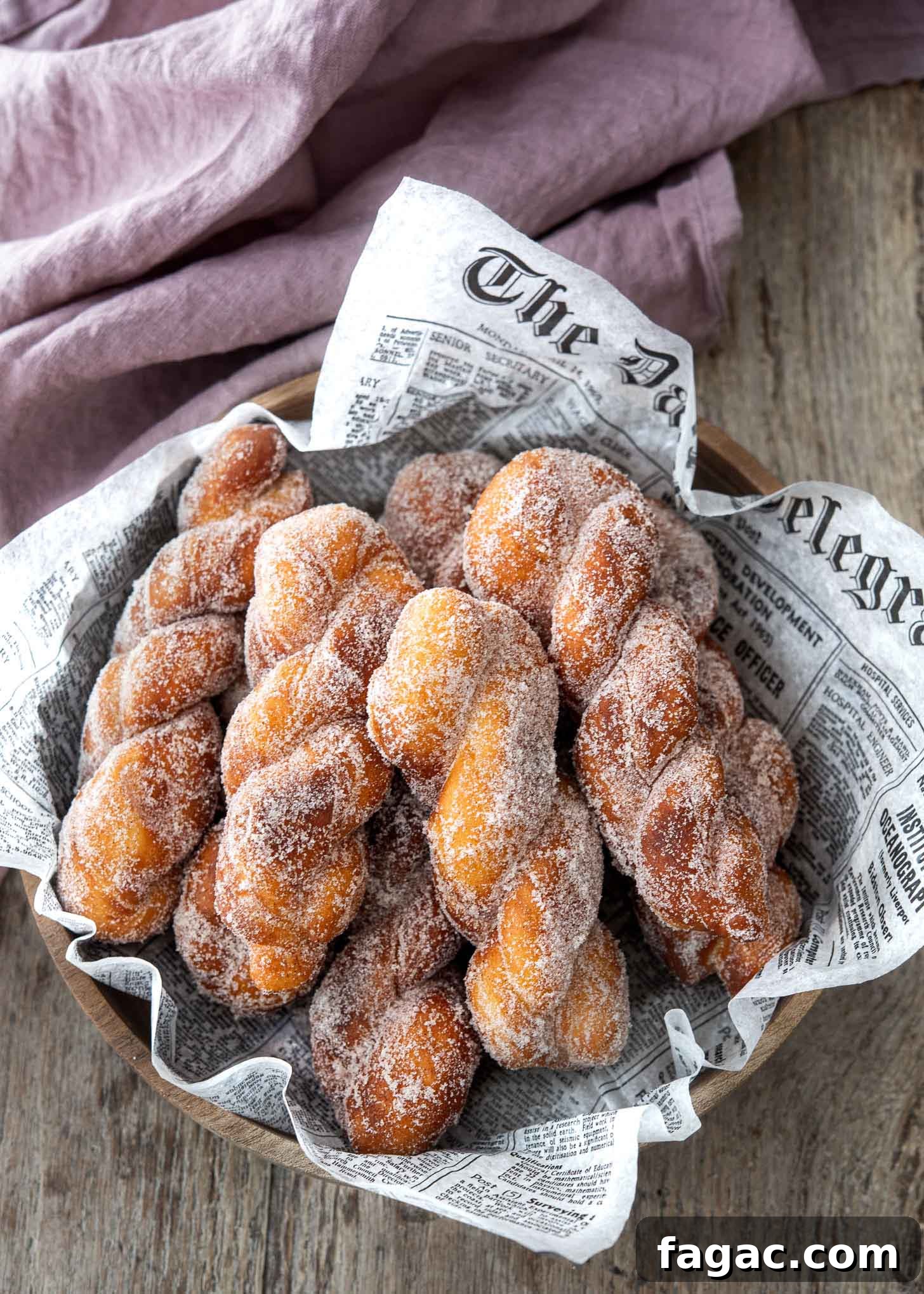
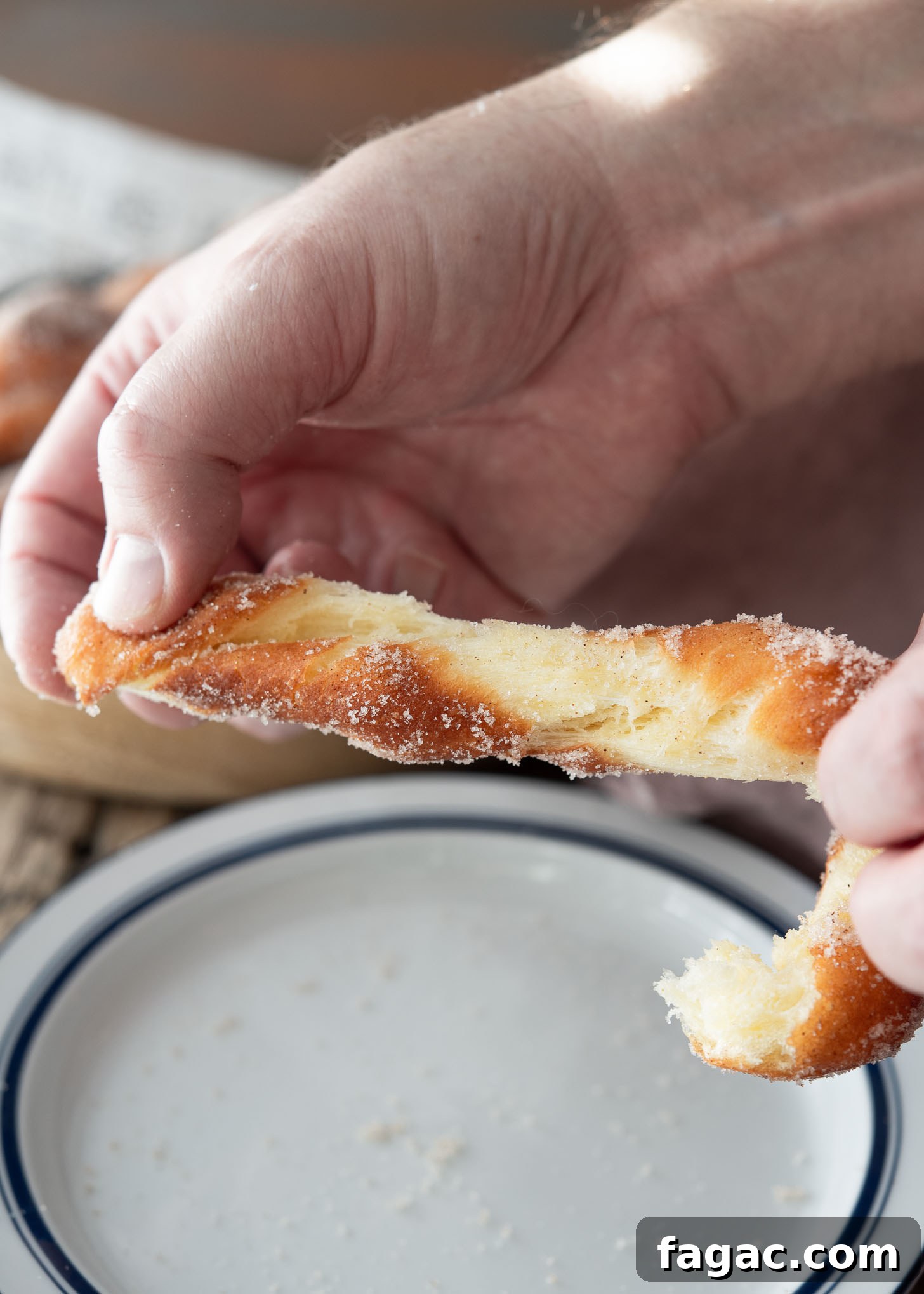
Kkwabaegi, also known as Korean twisted donuts, are tender, chewy spirals with a lightly crisp exterior — a beloved street snack that is simple to make at home. After testing numerous variations, I settled on a flour blend and frying method that deliver a bouncy texture with just the right sweetness, often better than many bakery versions.
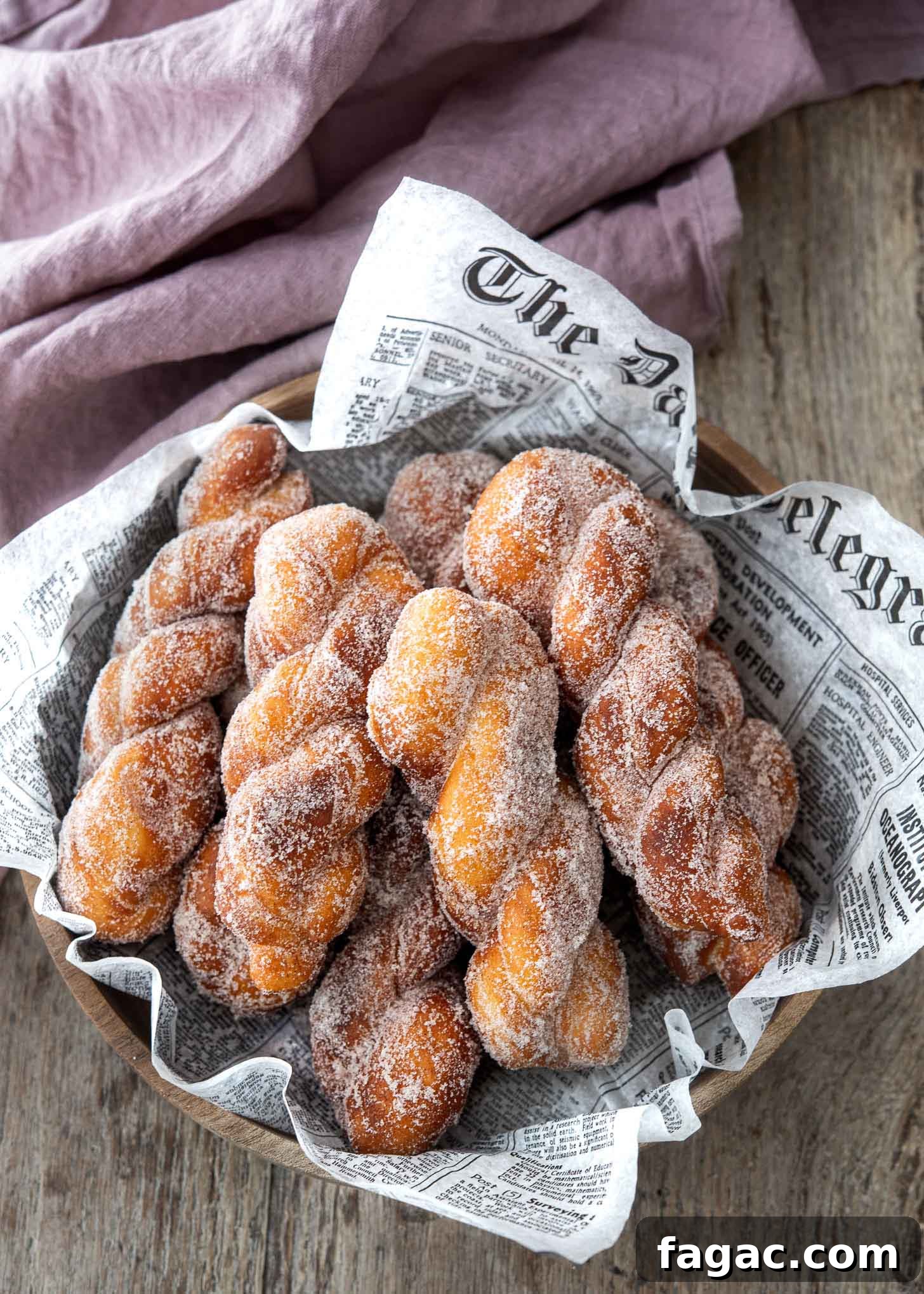
Growing up in Korea, I remember stopping by a vendor after school, drawn by the smell of dough frying in hot oil. Those warm, sugar-coated spirals were simple joy — crisp on the outside and soft and stretchy inside. They still bring back that carefree feeling when a single donut could brighten an afternoon.
Now I make kkwabaegi at home and, after several trials, found a version my family prefers over market versions. The key is a mix of bread flour and tapioca flour for structure and chew, plus dry milk for flavor and a crisp crust. Gentle frying at a steady temperature keeps the donuts light and non-greasy.
Featured Review
“I have tried quite a few recipes and your recipe is by far the best. My husband (born and raised in Korea) says they are even better than what you get as street food.”
Ariana
Many Western bakeries have their own twisted or braided donuts, but Korean kkwabaegi stands out for its uniquely chewy, airy interior. If you enjoy cozy Korean sweets, these pair well with other favorites during colder months.
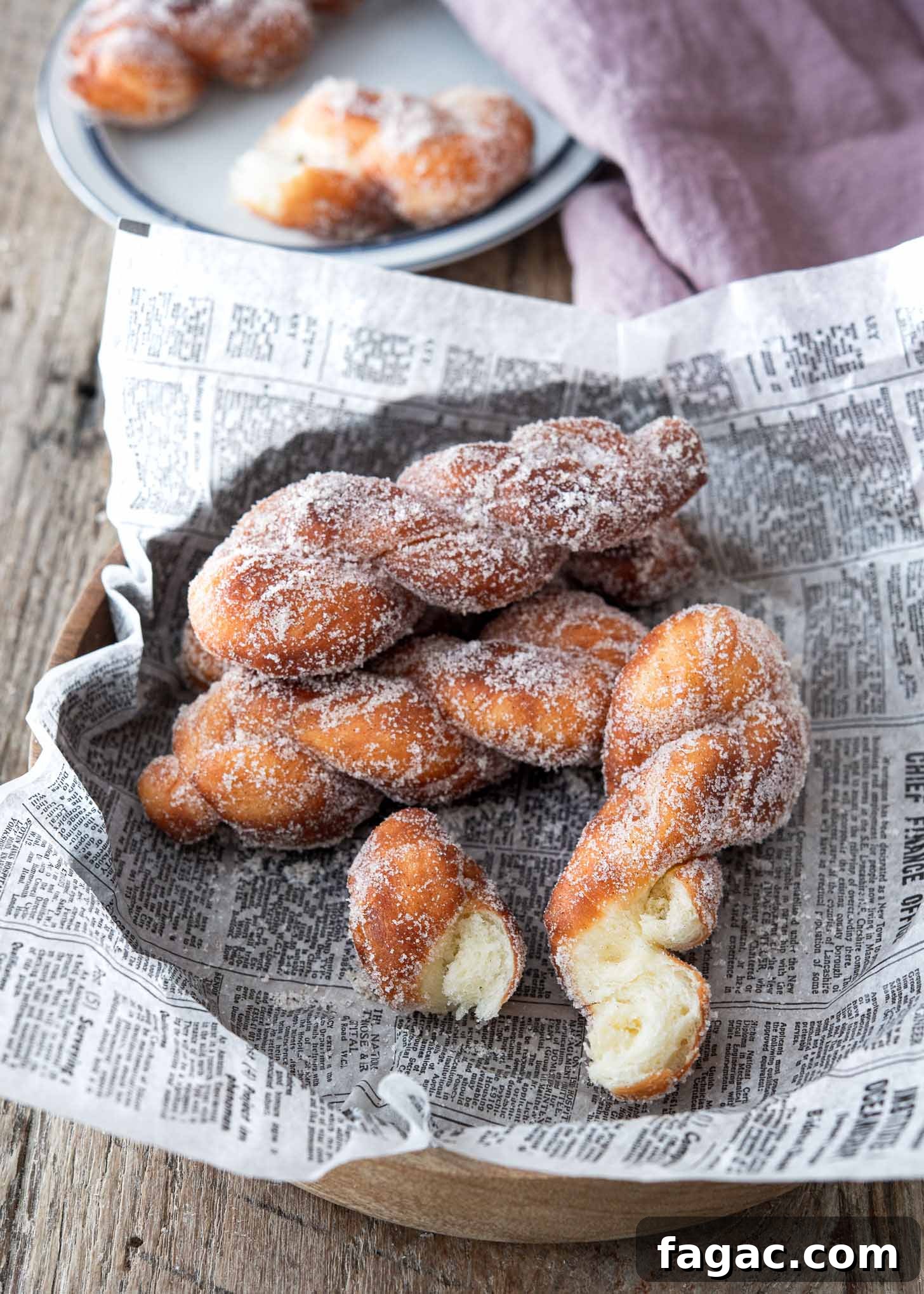
The secret to excellent kkwabaegi isn’t only shaping or frying — it’s the dough. A blend of bread flour and tapioca flour creates the signature springy chew, while dry milk powder enriches flavor and helps form a delicate, crisp crust. Frying at moderate, consistent heat ensures the donuts cook through without absorbing excess oil, leaving them light and clean-tasting.
The Key to Soft, Chewy Korean Kkwabaegi
Small adjustments make a big difference. Bread flour supplies gluten for structure and elasticity so the twists hold their shape. Tapioca flour brings a gentle chew and bounce, preventing a dense crumb. Dry milk powder improves browning and texture more consistently than liquid milk. Instant yeast speeds the process because it can be mixed directly into dry ingredients. Eggs and melted butter add richness and tenderness; use them at room temperature for best incorporation. For frying, choose a neutral oil with a high smoke point, such as canola or vegetable oil.
Key Ingredients and Pro Tips
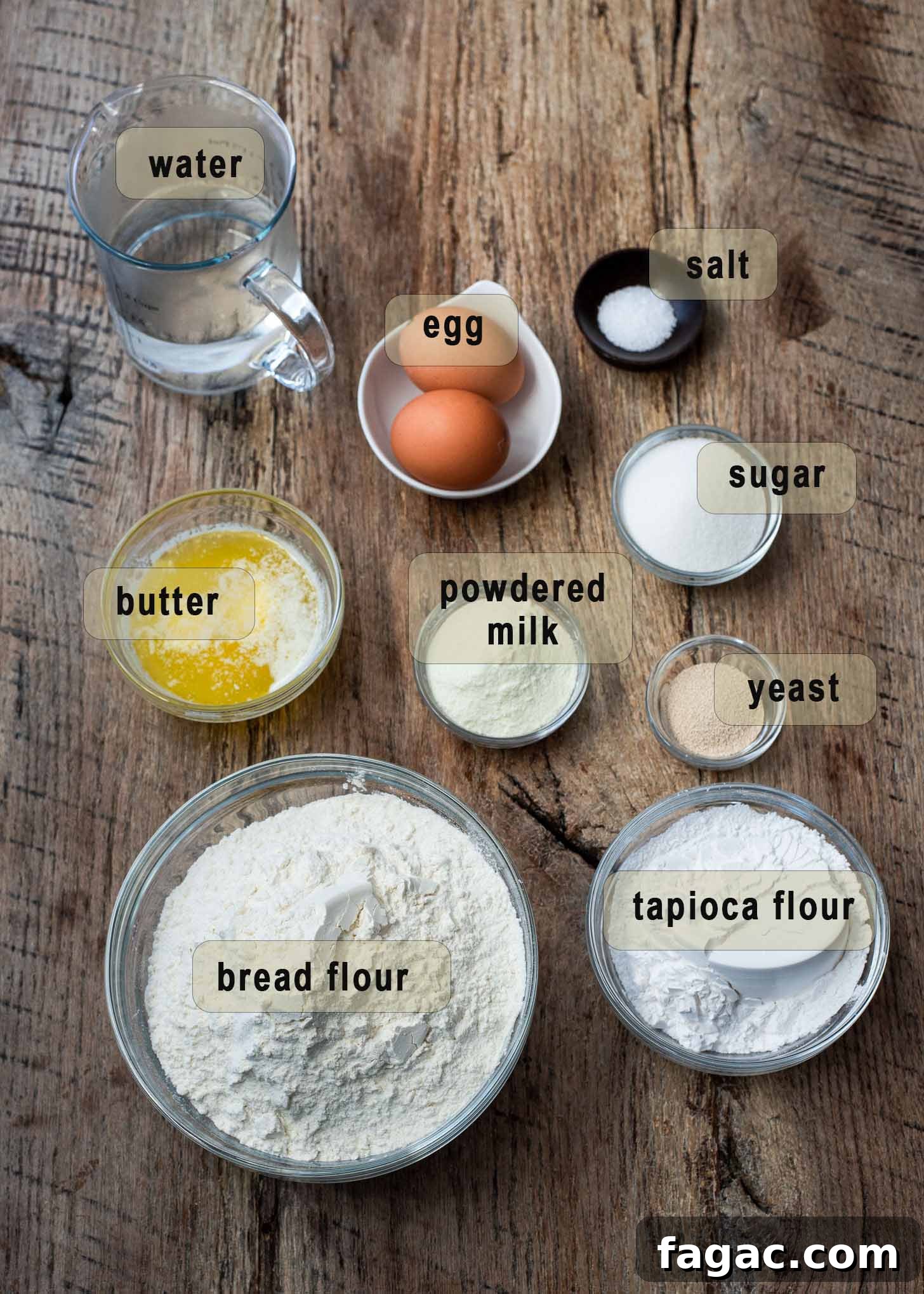
Bread flour + tapioca flour: This blend yields the most authentic texture — springy, soft, and lightly chewy. Bread flour provides strength, while tapioca adds elasticity without heaviness.
Dry milk powder: Adds flavor, supports a crisp crust, and helps the dough brown evenly.
Instant yeast: Convenient and reliable for sweet dough; no pre-proofing required.
Eggs and melted butter: Contribute richness and tenderness; use at room temperature for uniform mixing.
Frying oil: Use a neutral oil with a high smoke point to keep flavors clean and texture light.
How to Make Twisted Donut (Kkwabaegi)
These techniques apply whether you’re aiming for a traditional Korean style or a general twisted donut. Look for a smooth, elastic dough and gentle, even frying. Below are the major steps; detailed measurements and step-by-step instructions are in the recipe card included later in the article.
Make the Dough

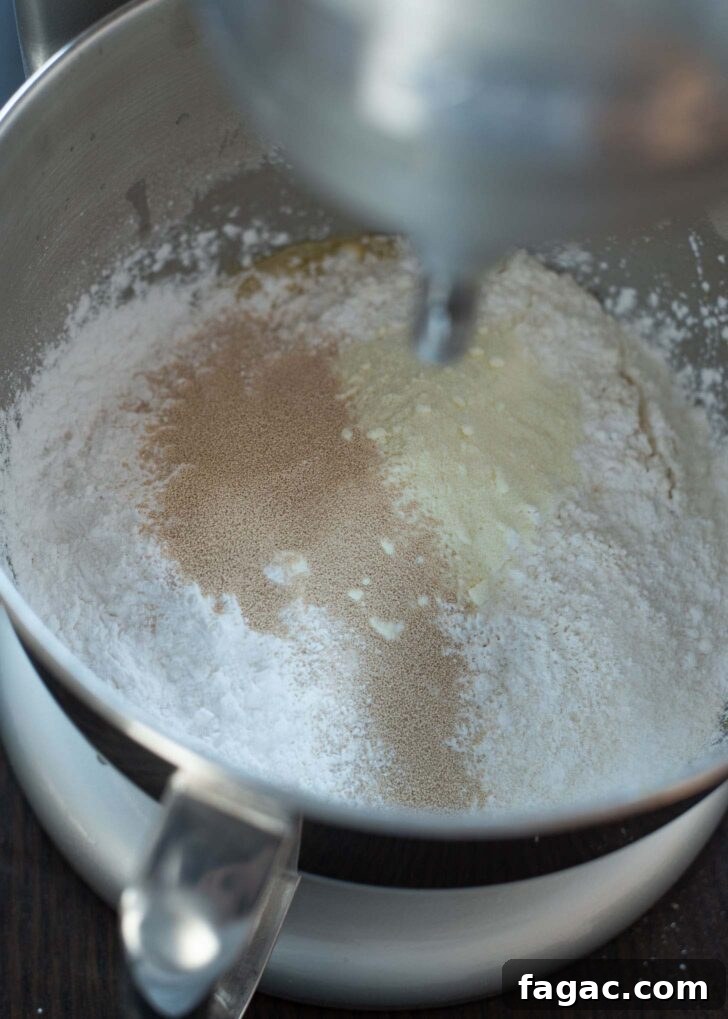
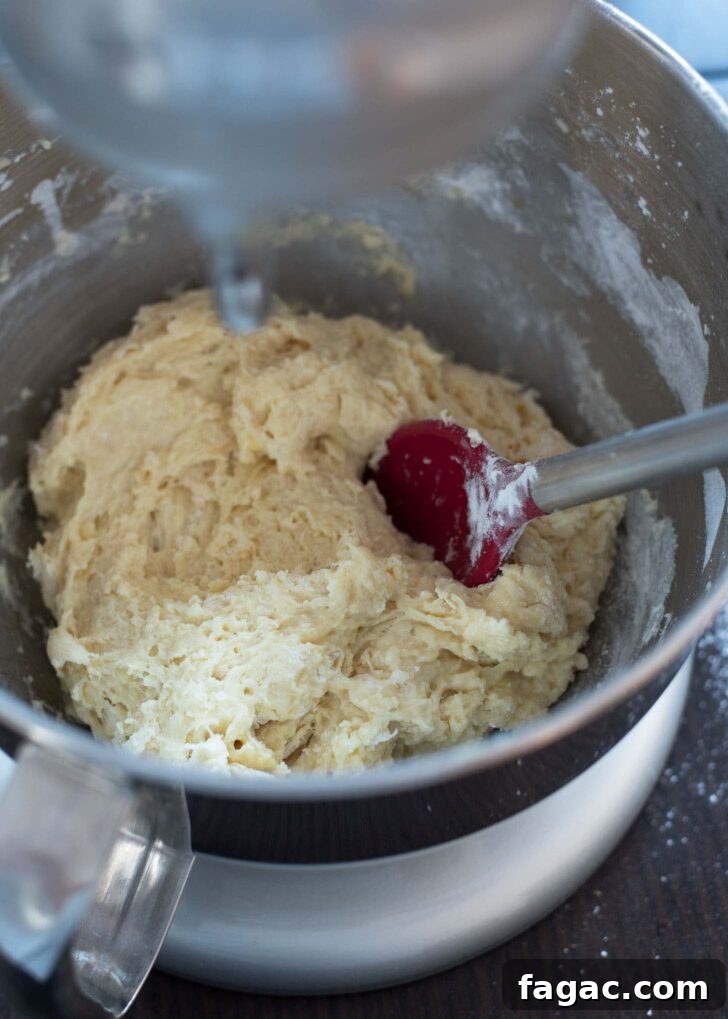
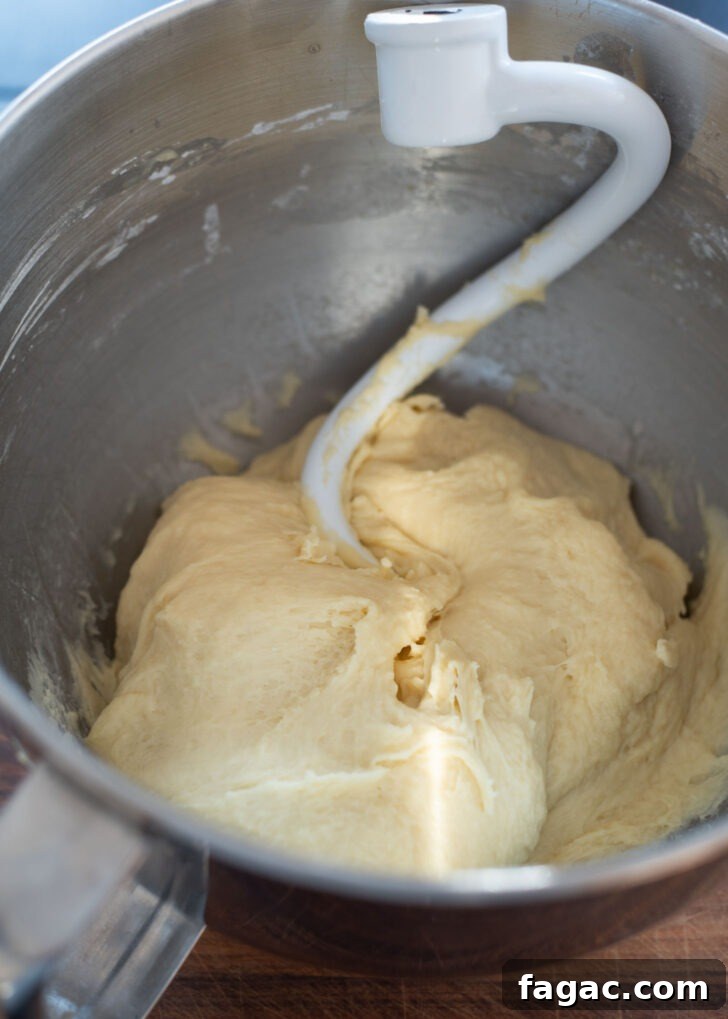
Knead the dough: Combine wet and dry ingredients until a soft, slightly sticky mass forms. Knead until smooth and elastic; the dough should stretch without tearing and pull cleanly from the bowl. A well-developed gluten network is key to that desirable chewy crumb.
First rise: Place the dough in a greased bowl, cover, and let it double in size in a warm spot. The dent test helps: press lightly, and if the indentation rebounds slowly and not completely, the dough is ready.
Divide and shape: Deflate gently, divide into 20–22 even pieces, and roll each into a rope about the thickness of a finger. Twist each rope by rolling the ends in opposite directions, coil the rope onto itself, pinch the ends to seal, and arrange on parchment. Cover and let them rise again until light and puffy, about 20–30 minutes.
Fry and Coat the Kkwabaegi
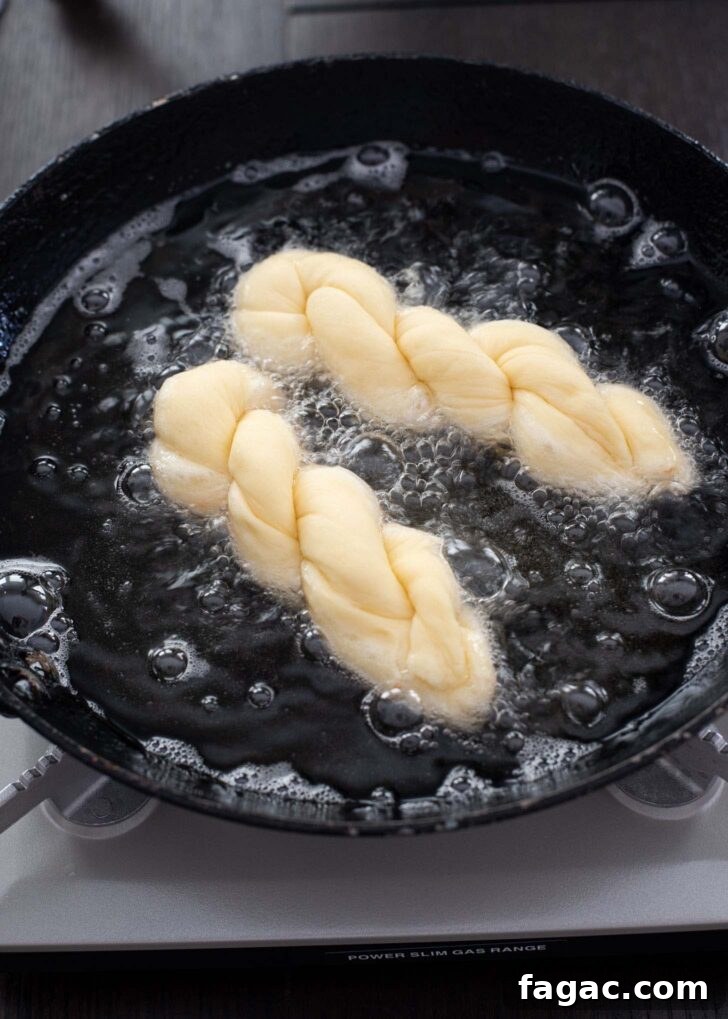
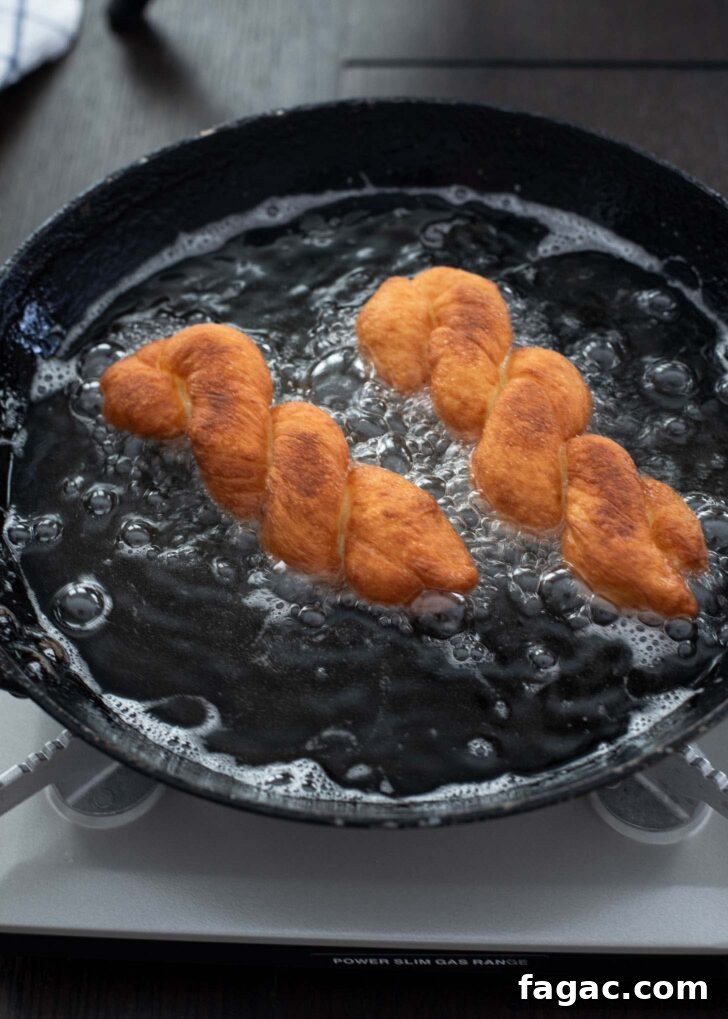
Fry: Keep the oil at about 320–330°F (160°C). If oil is too hot, the exterior will brown before the interior cooks. Fry a few at a time; they will sink briefly, then rise and puff as they brown. Flip frequently for even color and remove when they feel light and sound slightly hollow when tapped.
Coat with sugar: Drain briefly on a rack, then while still warm roll in cinnamon sugar so it adheres and creates a light crunch. Serve warm: the first bite is crisp, then tender and chewy inside.
If you enjoy Korean-style donuts, try sweet potato rice donuts for a chewy, mochi-like texture that’s also popular in Korea.
Love this recipe? Rate it and share your experience in the comments below. If you post on social media, tag the author to share your creation. For more recipes and updates, subscribe to the site newsletter.

Twisted Donut (Kkwabaegi)
Ingredients
- 1 1/3 cup (325 ml) water, lukewarm
- 5 tbsp (70 g) butter, melted
- 5 tbsp (63 g) sugar
- 2 large eggs, room temperature
- 3 1/2 cup (560g) bread flour
- 1 cup (160g) tapioca flour
- 3 tbsp (25 g) dry milk powder
- 1 tbsp (10 g) instant yeast
- 1 tsp (5 g) kosher salt
- 2 cup (480 ml) oil, for deep-frying
For cinnamon sugar
- 1/2 cup (100g) sugar
- 2-3 tsp (5–7 g) cinnamon
Instructions
To make the dough
-
In the bowl of an electric mixer, mix water, melted butter, sugar, and eggs. Add bread flour, tapioca flour, dry milk powder, instant yeast, and salt. Mix with a wooden spoon until it becomes a sticky mass.
-
Attach a dough hook to the mixer and knead the dough on a low speed until it becomes soft and elastic, about 8-10 minutes. Lightly oil your hand and the wooden board. Place the dough on the board and knead the dough a little more, about 30 seconds, to form it into a ball.
-
Place the ball of dough in a greased bowl and cover with a damp towel. Let the dough rise in a warm place until double in volume, about 1 hour.
To shape the dough
-
Deflate the dough and turn out on to a working surface. Divide the dough in half. Cut 10-11 pieces from each dough making total of 20-22 pieces.
-
Roll out each dough piece into a 12-inch rope. Using the palms of your hands on each end of the rope, start rolling the ends of the dough rope in opposite directions, creating a twisting effect. Pick up the dough by the ends and let it twist onto itself. Pinch the ends together.
-
Place the dough onto a sheet pan lined with parchment paper and repeat with remaining dough. Cover the twisted dough with a damp towel and let them rest again in a warm area about 20-30 minutes.
To make cinnamon sugar
-
In a shallow bowl wide enough to hold the twisted donut (a pie dish is ideal), mix sugar and cinnamon. Set aside until ready to use.
To fry the donuts
-
Fill skillet with 1-2 inches of oil and heat the oil to 325˚F. When oil is hot, lift the twisted dough and slide it into the oil carefully.
-
You will need to fry in batches, 2-3 doughnuts at a time. Fry the dough until the bottom of the dough looks golden brown, about 30-60 seconds. Flip the dough to the other side and continue to fry until done. If the dough seems to be browning too dark quickly, reduce the heat.
-
Lift the donuts using kitchen tongs and strainer, transfer them to a wired rack to drip off the extra oil on the surface. Repeat the frying, in batches, with the rest of the dough. While the donuts are still hot, roll them in the cinnamon sugar mix. Let your twisted donuts cool for a little before enjoying!