Looking for the best Thai red curry paste substitute? You’re in the right place. Thai curry pastes are central to many classic dishes, and running out of red curry paste doesn’t mean your meal is ruined.
Whether you want to make a homemade red curry paste, swap in another ready-made Thai paste, or improvise with pantry staples like chilli garlic sauce or miso, these alternatives cover spicy, mild and vegan options so you can keep cooking without missing a beat.
1. Homemade curry paste
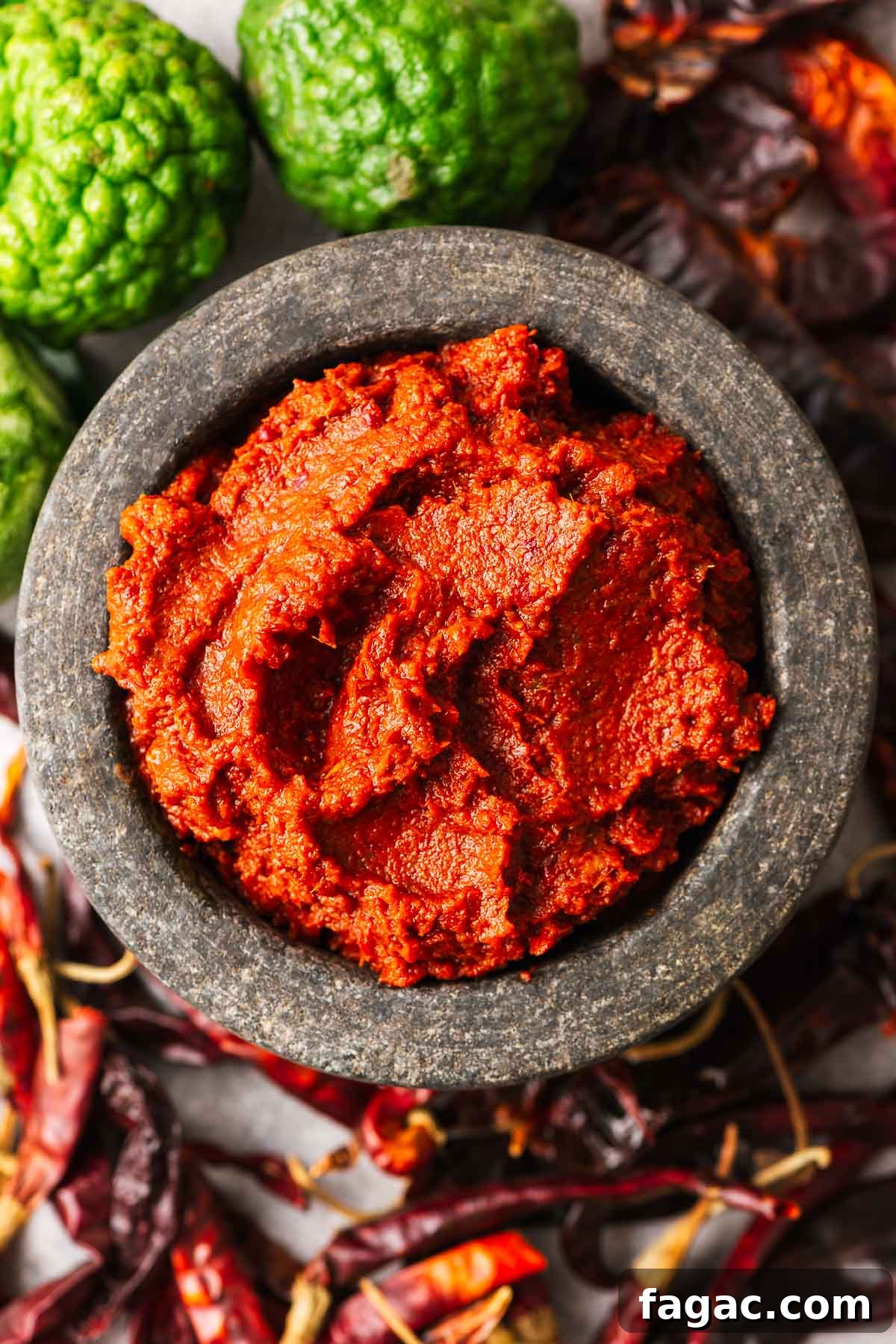
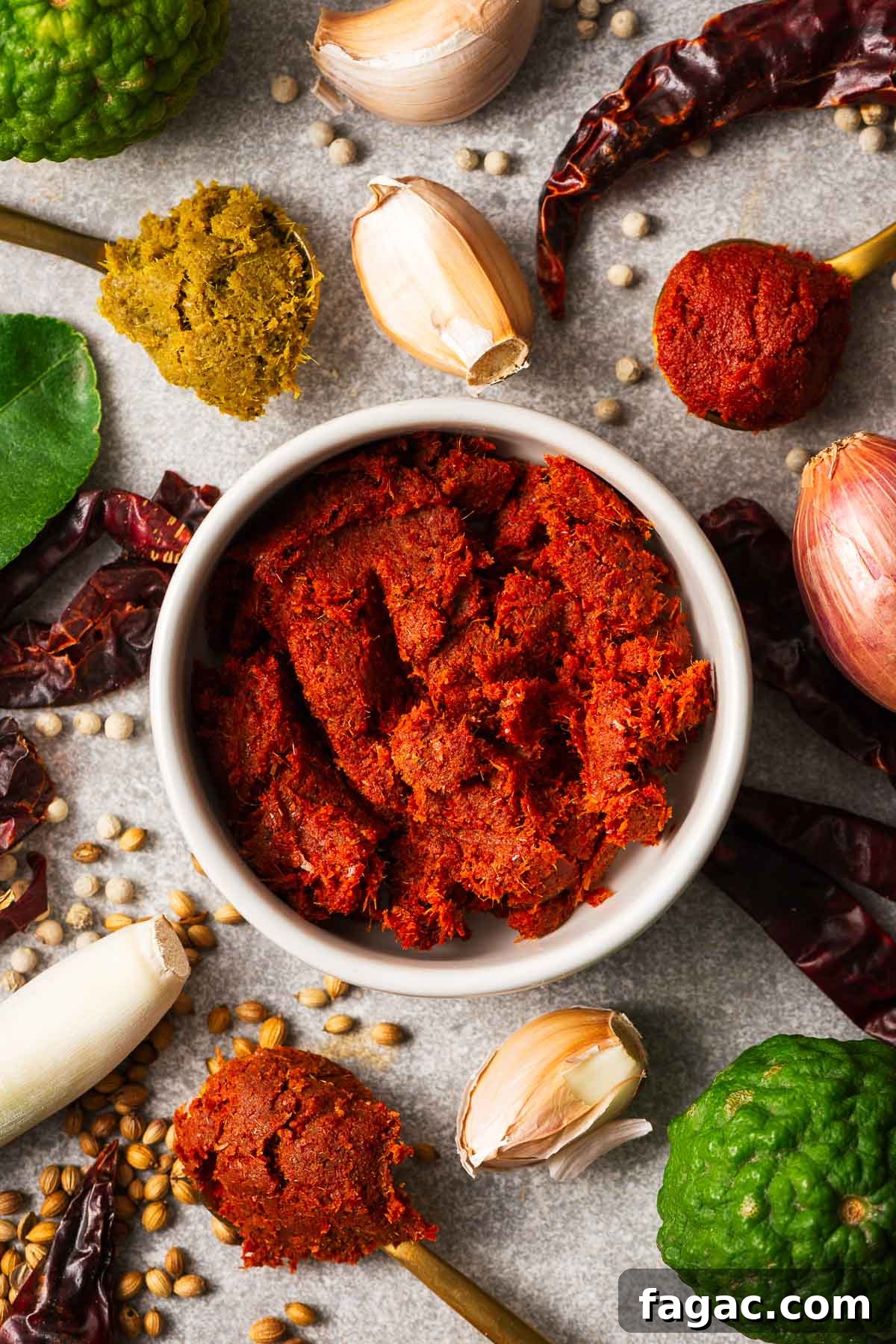
Making authentic Thai red curry paste at home is straightforward. Traditional prik gaeng ped uses dried red chillies, cilantro roots, lemongrass, kaffir lime zest, garlic, shallots, galangal, shrimp paste, white peppercorns and salt, with optional cumin or coriander seeds.
Rehydrate dried chillies and blend or pound all ingredients into a smooth paste. The advantage is complete control over heat and flavour. If you need a vegan version, swap shrimp paste for miso.
Even if you skip a few traditional ingredients, a simplified homemade paste is often the best substitute for store-bought red curry paste and will work perfectly in most recipes.
2. Green curry paste
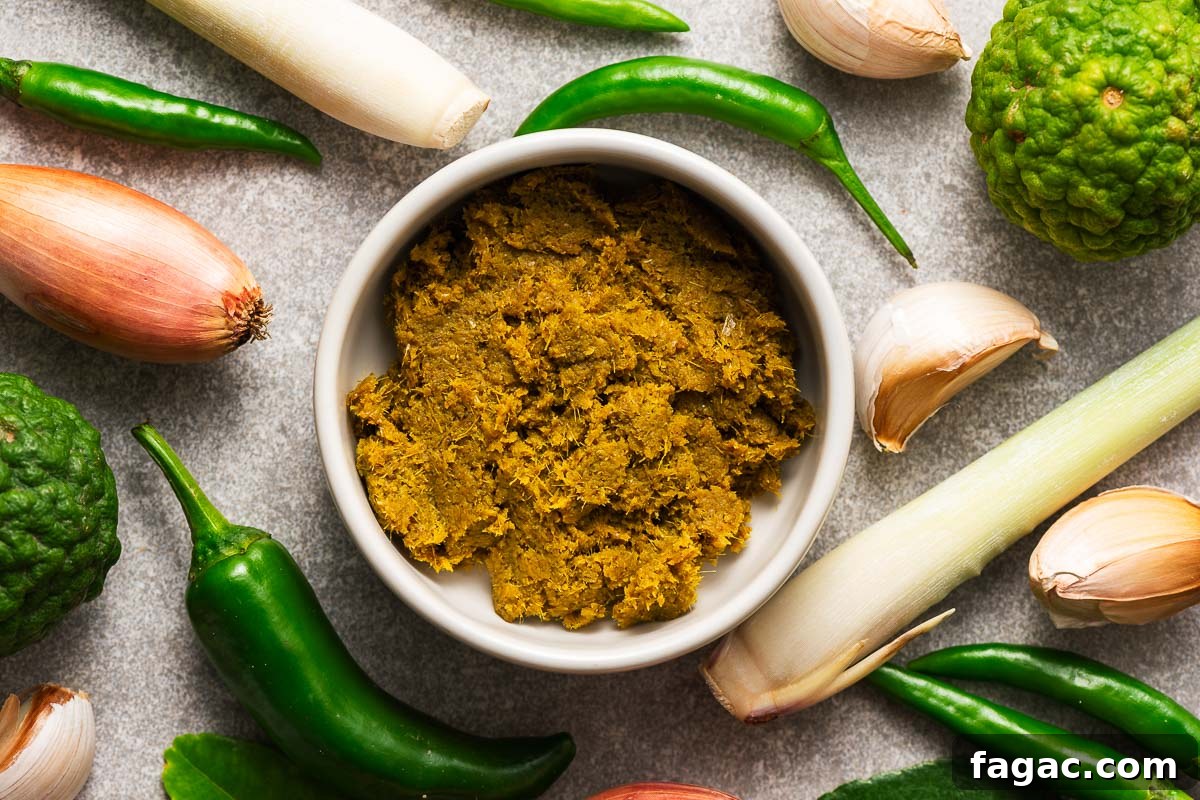
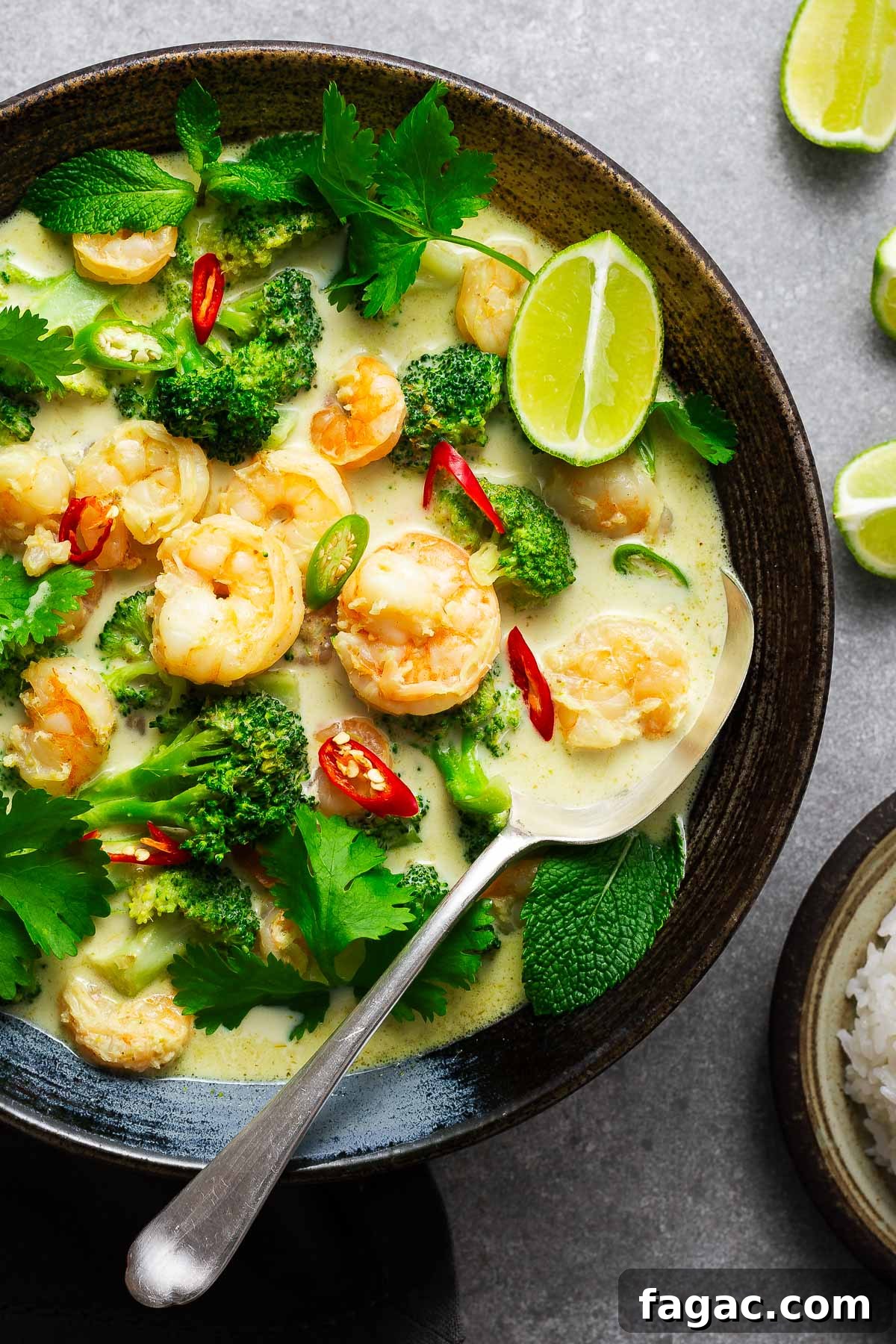
Green curry paste is an excellent alternative. It uses fresh green chillies, which produce a brighter, herbaceous flavour and vivid green colour. It may include more kaffir lime and turmeric than red paste.
Use the same quantity the recipe calls for in red curry paste; expect a different colour but a comparable aromatic profile.
3. Yellow curry paste
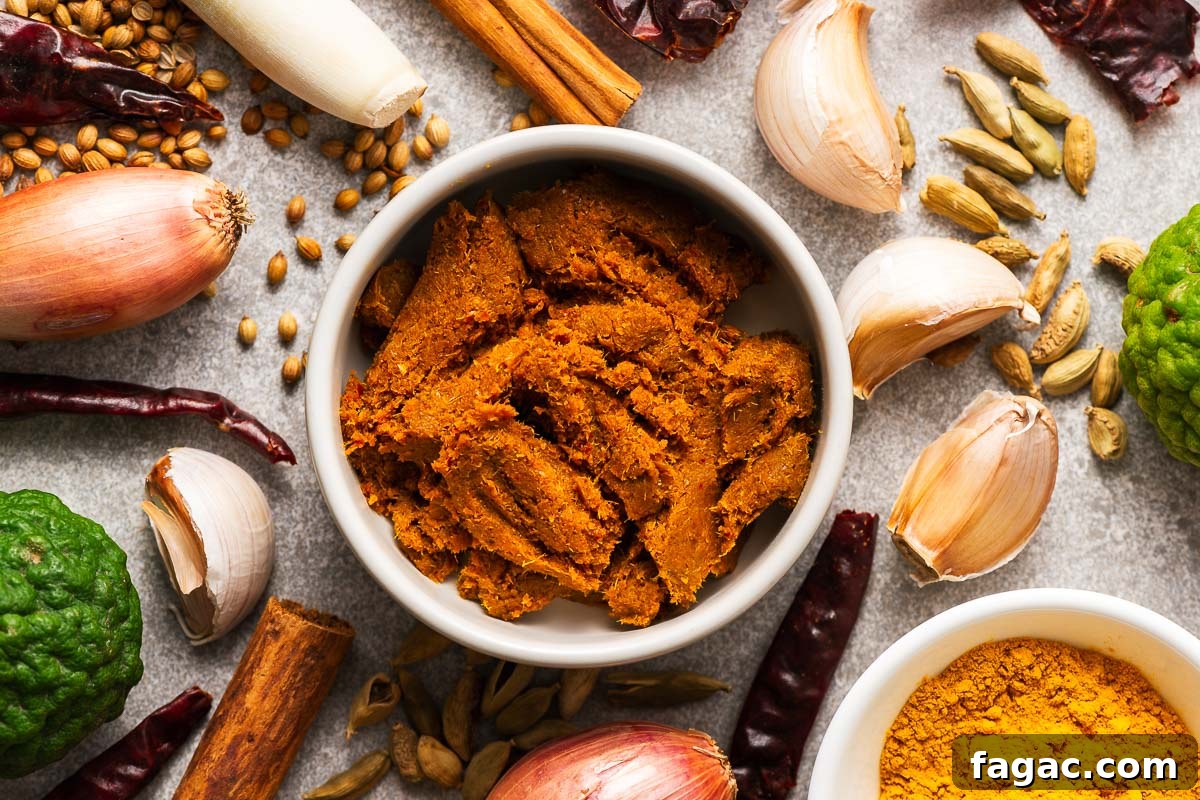
Yellow curry paste is milder and often vegan and gluten-free. It lacks shrimp paste and includes curry powder, turmeric, cinnamon, cardamom and nutmeg. It makes an accessible substitute; add a touch of shrimp paste or vegetarian fish sauce for extra authenticity.
4. Massaman curry paste
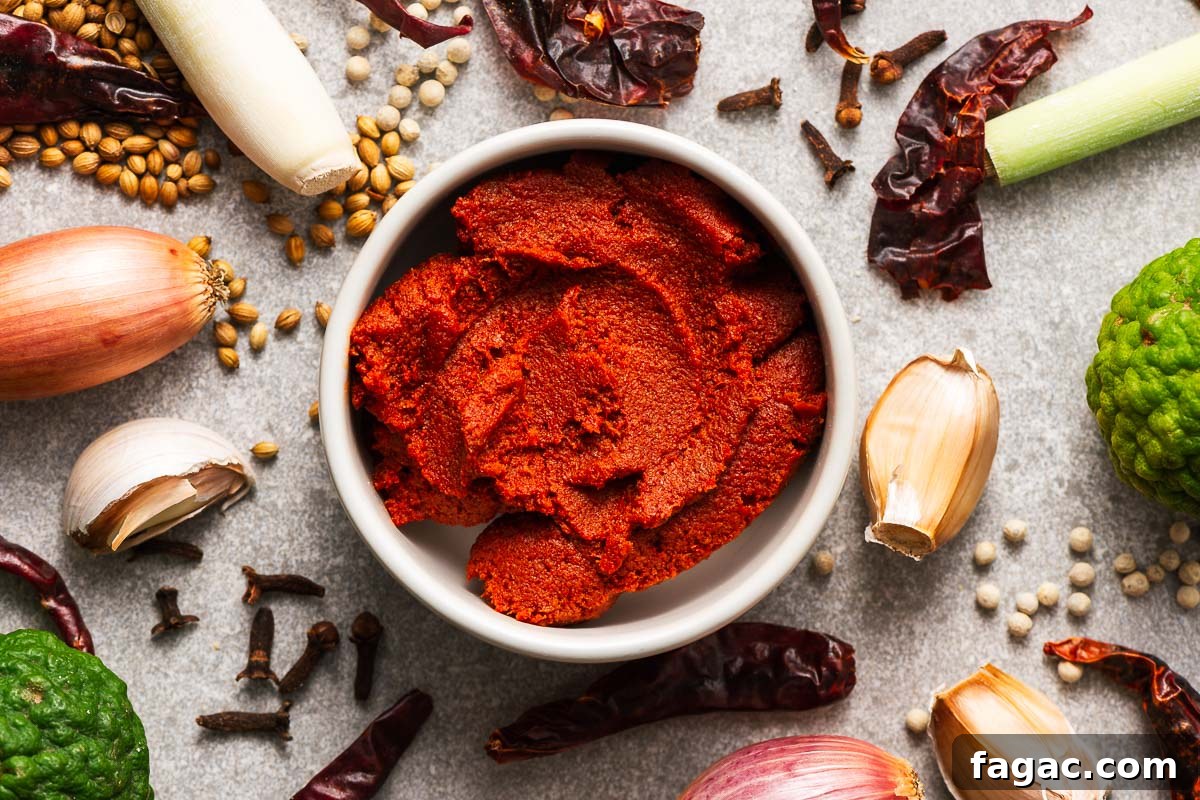
Massaman paste shares many base ingredients with red curry paste but leans on warming spices like cinnamon, cardamom, cloves, coriander and cumin. It’s generally less fiery and can have a more pronounced lemongrass and citrus character.
Use the same amount called for in the recipe, then increase the paste or add extra chillies if you want more heat.
5. Panang curry paste
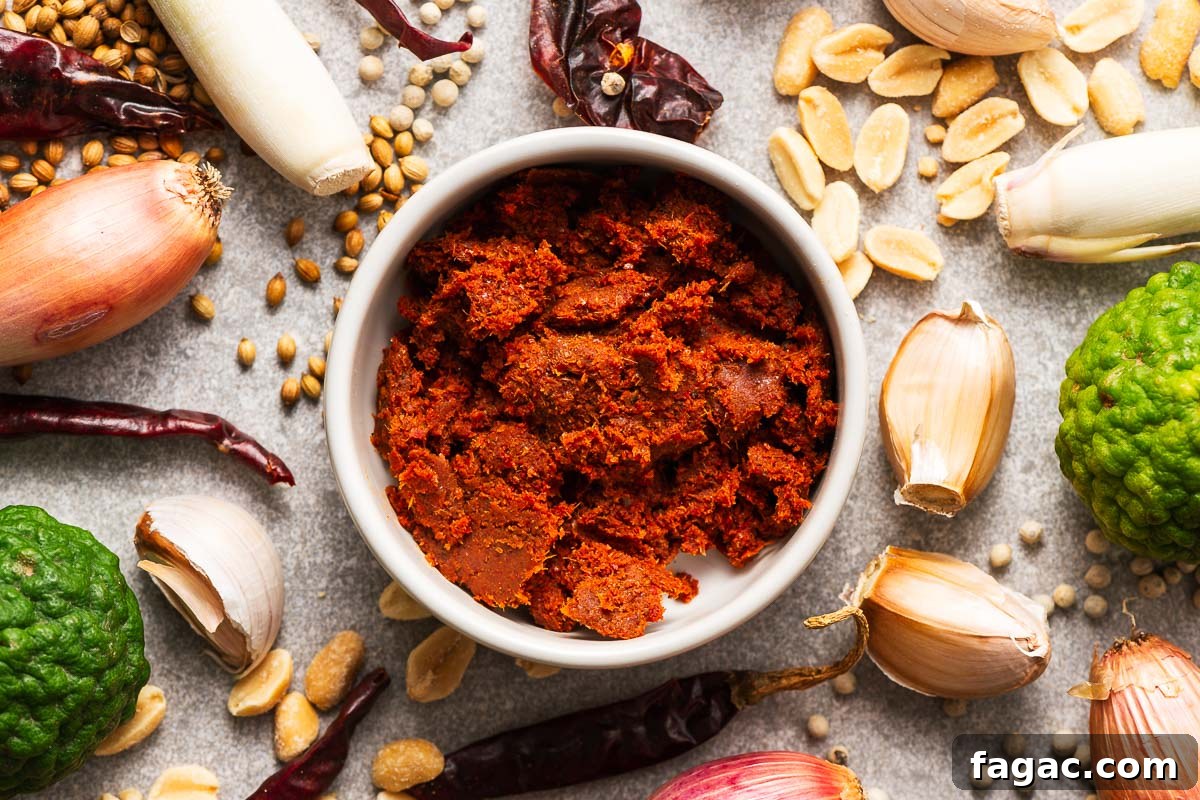
Panang paste is rich and aromatic, often containing ground peanuts or mung beans that give it a rounded, slightly nutty character. It shares lemongrass, galangal and kaffir lime but can be less common in regular supermarkets.
Substitute it 1:1 for red curry paste, reducing the amount slightly if you prefer milder curries. Add red chilli powder if you want extra heat.
6. Indian curry paste
Indian curry pastes differ in spice mix and often include tomato paste or vinegar, but they can work as a substitute in a pinch. To nudge the flavour toward Thai, add kaffir lime leaves and a splash of fish sauce while simmering. Replace red curry paste with an equal amount of Indian paste and adjust seasoning to taste.
7. Chilli garlic sauce
Chinese chilli garlic sauce is a handy pantry staple. It’s simpler than Thai curry paste but, with a few additions, can become a usable substitute.
Mix 2 teaspoons chilli garlic sauce with 1 teaspoon shrimp paste (or fish sauce) and 2 teaspoons finely grated kaffir lime zest to approximate red curry paste’s spicy, garlicky and citrusy notes.
8. Gochujang paste
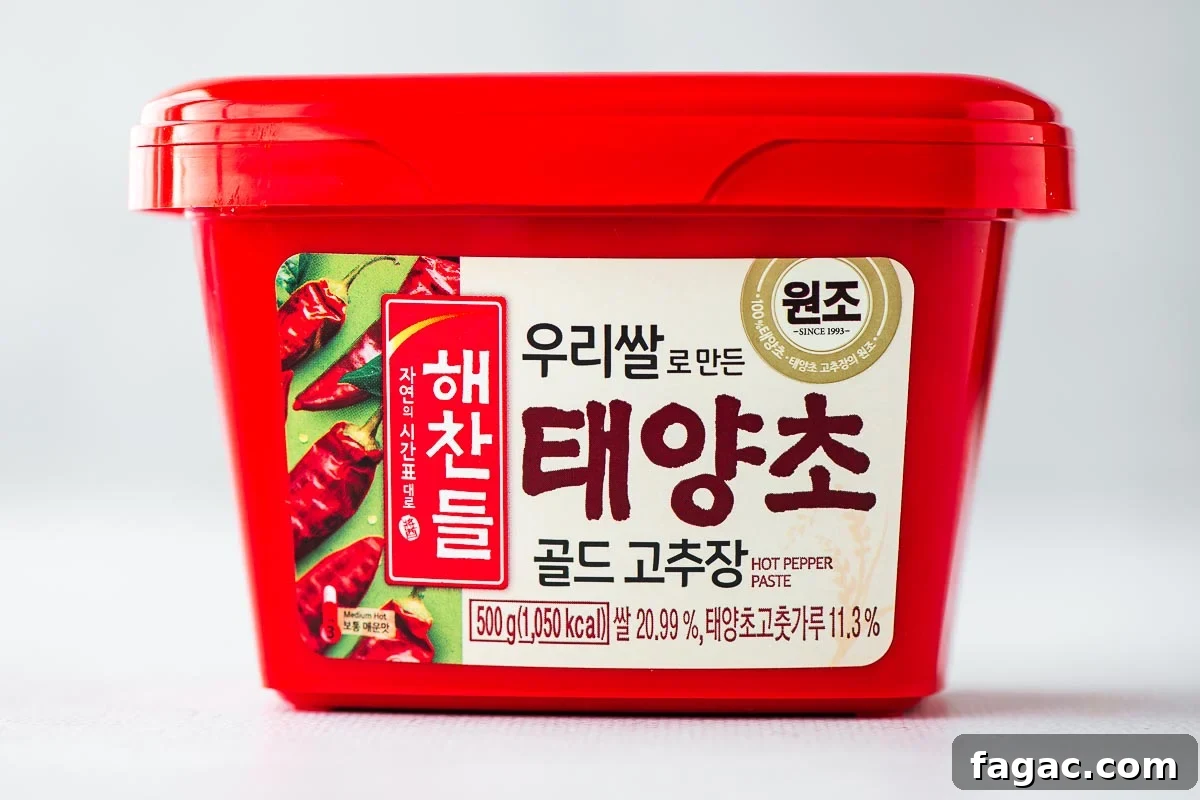
Korean gochujang is sweet, spicy and deeply umami but lacks the citrus-herbal notes of Thai curry paste. To adapt it, combine 3 teaspoons gochujang with 1 teaspoon grated garlic, 1 teaspoon grated ginger and 1 teaspoon lime zest for a flavorful vegan-friendly alternative.
9. Thai chilli paste (Nam Prik Pao)
Thai chilli paste (nam prik pao) is sweet, tangy and smoky, made with chillies, shrimp paste, dried shrimp, tamarind and palm sugar. It can substitute for red curry paste but is sweeter and lacks lemongrass and kaffir lime brightness.
Do not stir-fry nam prik pao in oil at the start—its sugar can burn. Instead, stir it into the sauce near the end of cooking and add kaffir lime leaves to brighten the flavour.
10. Chillies and a pantry blend
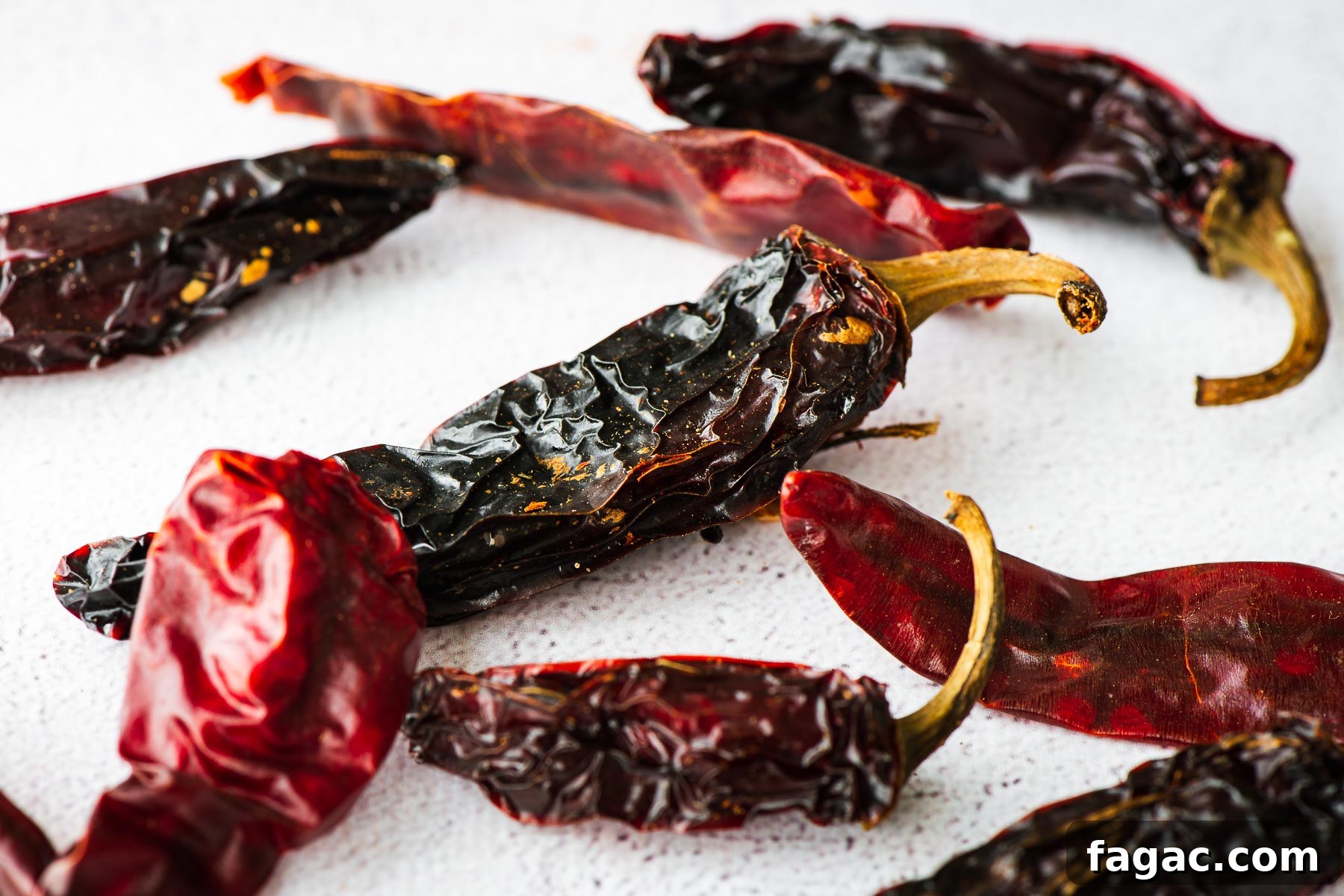
If you have none of the pastes above, build a simple substitute from what you have: chillies (rehydrated dried chillies, fresh sliced, flakes or powder), garlic or shallots, some form of citrus (lemongrass, lime zest or juice, or lime leaves) and an umami element (shrimp paste, fish sauce, soy sauce or miso for a vegan option). Blend or mash into a paste and adjust to taste.
- Chillies: dried or fresh
- Garlic: fresh cloves, grated or minced
- Citrus: lemongrass, lime zest or lime leaves
- Umami: shrimp paste, fish sauce, soy sauce or miso
Avoid these red curry paste stand-ins
Tomato paste is commonly suggested but its flavour profile is very different. If you want a non-spicy substitute, puree roasted red bell peppers with garlic, ginger and lime zest, plus a touch of shrimp paste for savoury depth.
Curry powder (Indian-style) lacks the citrus and herbal notes of Thai paste. It can still make a tasty dish, but it won’t deliver authentic Thai flavours. For a quick homemade paste, mix 4 teaspoons thinly sliced red chillies, 2 teaspoons grated garlic, 2 teaspoons grated ginger and 1 teaspoon fish sauce, then add kaffir lime leaves while cooking.
Frequently asked questions
You can use other Thai pastes such as Massaman, green, yellow or panang. Alternatively, make a simple paste from chillies, garlic, ginger, lime zest and shrimp paste or miso for a vegan option.
Gochujang can be adapted to mimic red curry paste by adding garlic, ginger and lime zest, but red curry paste is not a good stand-in for gochujang because they have different fermented and sweet profiles.
No. Thai chilli paste (nam prik pao) is sweeter and tangier and is often used as a condiment. Red curry paste is a curry base with dried chillies, lemongrass, kaffir lime peel, galangal and shrimp paste.
More about Thai red curry paste
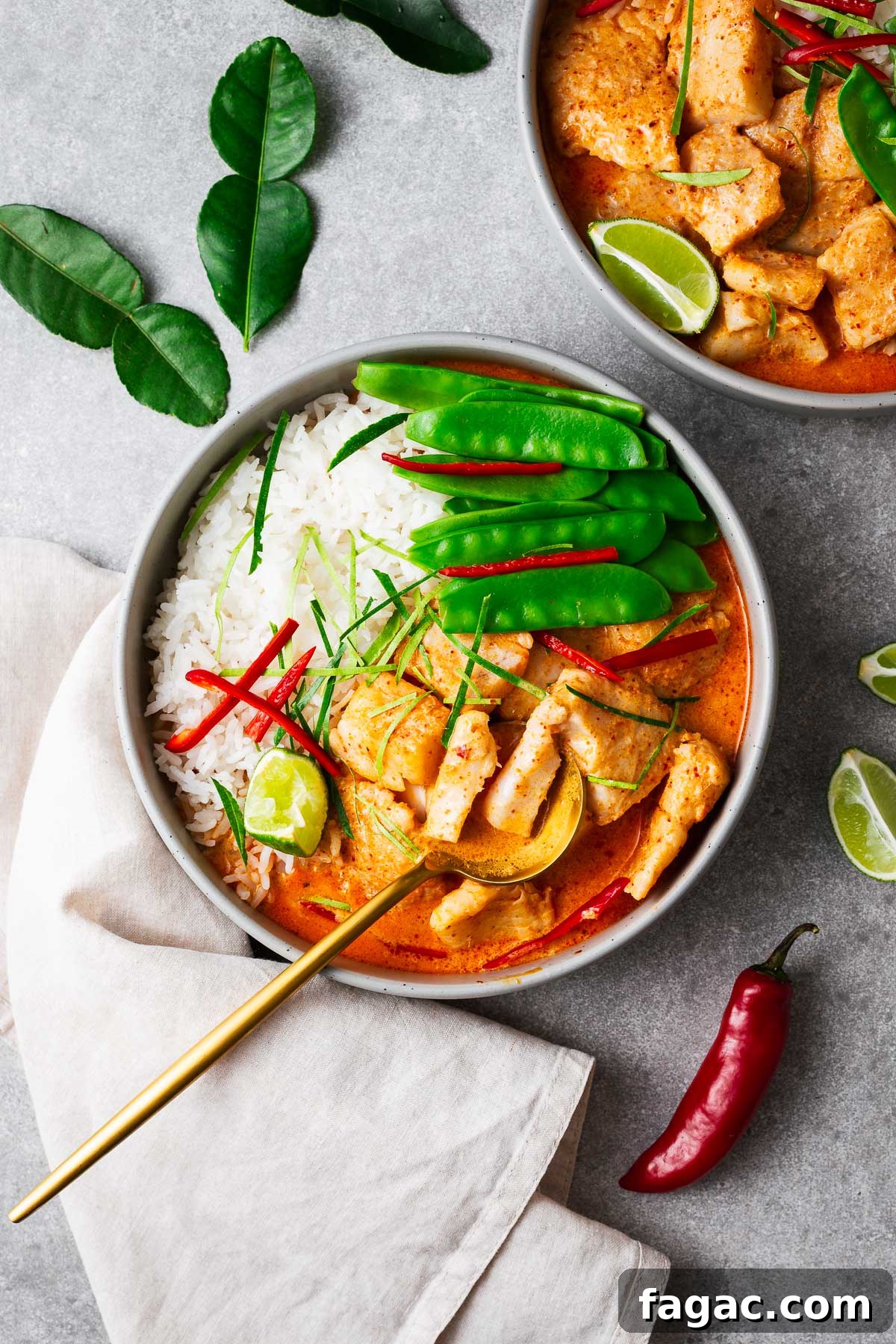
Red curry paste is the foundation for many Thai dishes. Traditionally pounded in a mortar and pestle, it can be made quickly in a food processor for convenience. To make a classic red curry:
- Stir-fry the curry paste in oil to release the aromas.
- Add coconut milk, fish sauce and palm sugar (or brown sugar).
- Add protein (chicken, beef, fish, shrimp, tofu) and vegetables like red bell peppers, bamboo shoots or eggplant and simmer until cooked.
- Serve over jasmine rice.
Try making a homemade Thai curry with your preferred substitute and adjust the seasoning to taste for the best result.