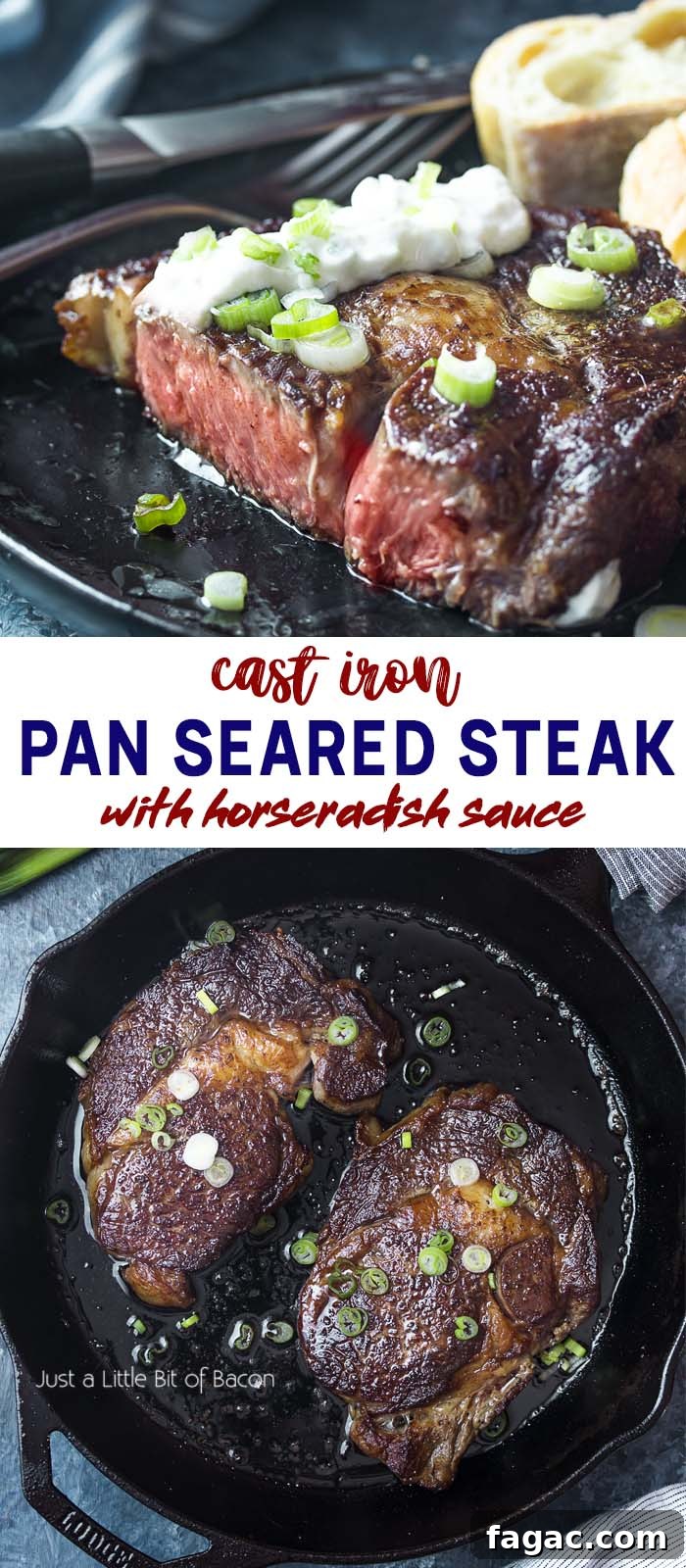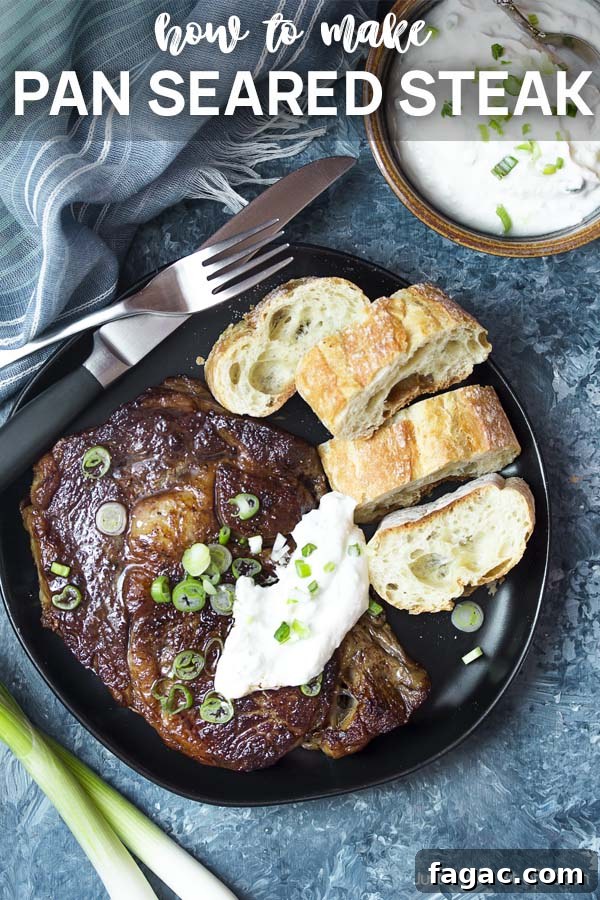
Learn how to cook a perfectly seared steak at home. This pan-seared steak method uses one simple trick to create a deep brown crust and a tender pink interior all the way to the edges. Finish with a quick horseradish sour cream sauce for a steakhouse-style dinner without the price tag.
Hello everyone!
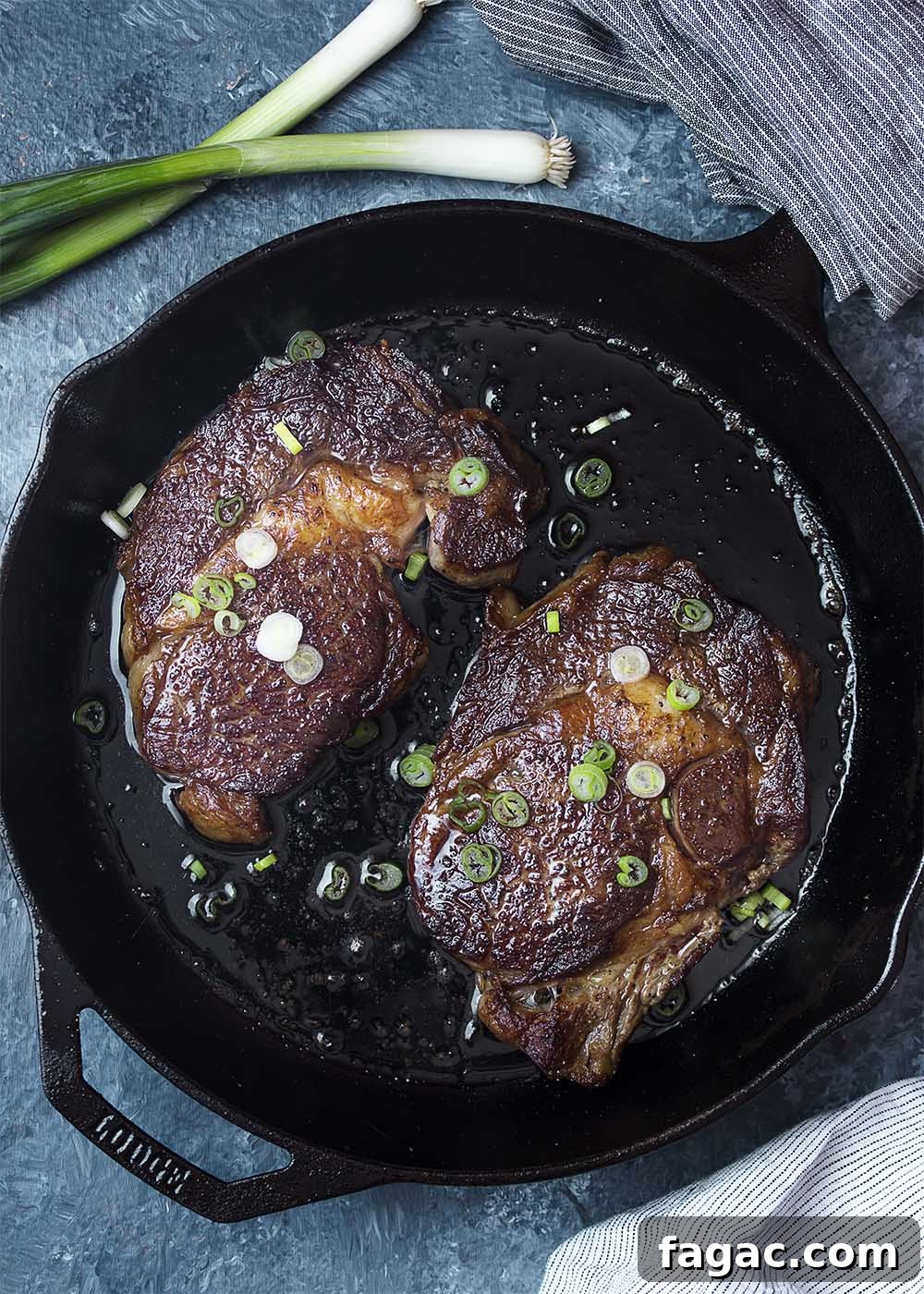
I want my steaks to be the best they can be: evenly seasoned, deeply browned on the outside, and pink or red inside depending on your preference. You don’t need professional skills to get restaurant-quality results—just a few straightforward techniques.
Secrets for perfect pan searing
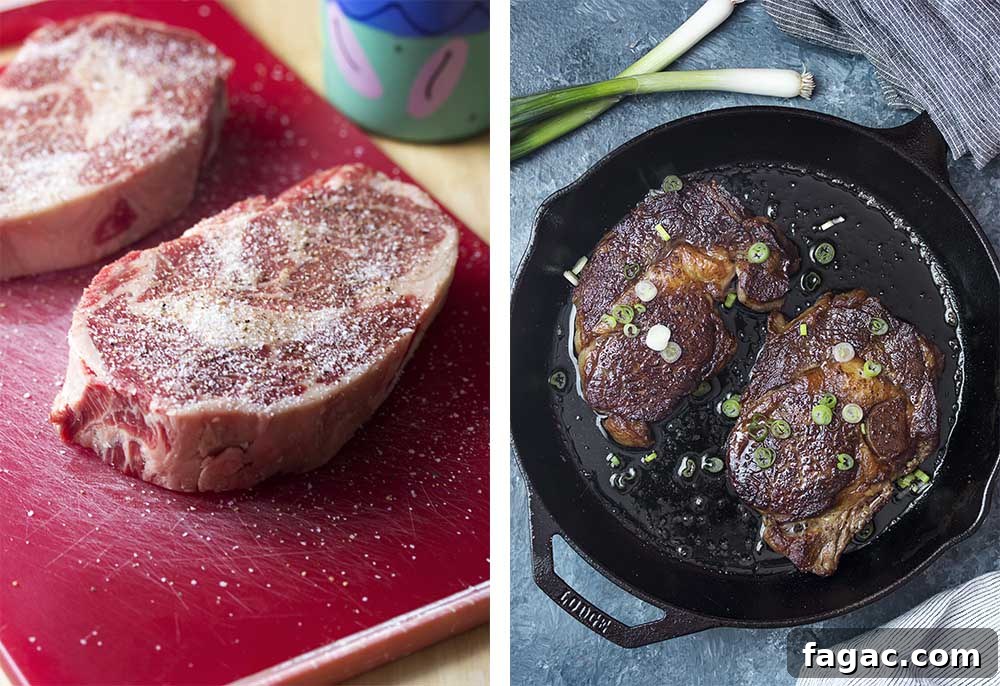
- Season the meat. Generously sprinkle kosher salt (and pepper if you like) and let the steaks rest. About 40 minutes allows the salt to penetrate and enhance flavor. For an even deeper effect, refrigerate overnight and bring to room temperature before cooking.
- Use a hot skillet. The pan should be hot enough that a drop of water skitters across the surface. That immediate sizzle helps form a rich crust without overcooking the center.
- Flip often. Turning the steak frequently—about once a minute—keeps the heat concentrated at the surface and prevents the interior from overcooking. Each flip cools the top briefly and lets you brown the other side, producing a more even doneness.
What do you need?
- For the steak
- Two steaks ~12 ounces each. Ribeye, strip, sirloin, filet or t-bone all work; choose steaks at least 1 1/2 inches thick.
- Kosher salt and black pepper for seasoning.
- Vegetable oil with a high smoke point (peanut, canola, sunflower, or basic vegetable oil).
- For the horseradish sauce
- Sour cream (full fat or low fat).
- Scallions (green onions), sliced.
- Prepared horseradish for heat and flavor.
- Kosher salt to taste.
How to make this
Season the steaks with salt and pepper and let them rest. Heat a skillet with a little oil until hot, then cook the steaks while flipping frequently until the exterior is deeply browned and the interior reaches your desired temperature. Rest briefly before serving with horseradish sauce.
1. Salt the steak
Choose thick steaks (boneless ribeye or strip steaks are great). Pat dry, then season both sides with kosher salt and black pepper. Let rest on the counter for at least 40 minutes to dry-brine and enhance flavor. You can also salt and refrigerate overnight, then bring to room temperature about 40 minutes before cooking.
2. Sear the steak
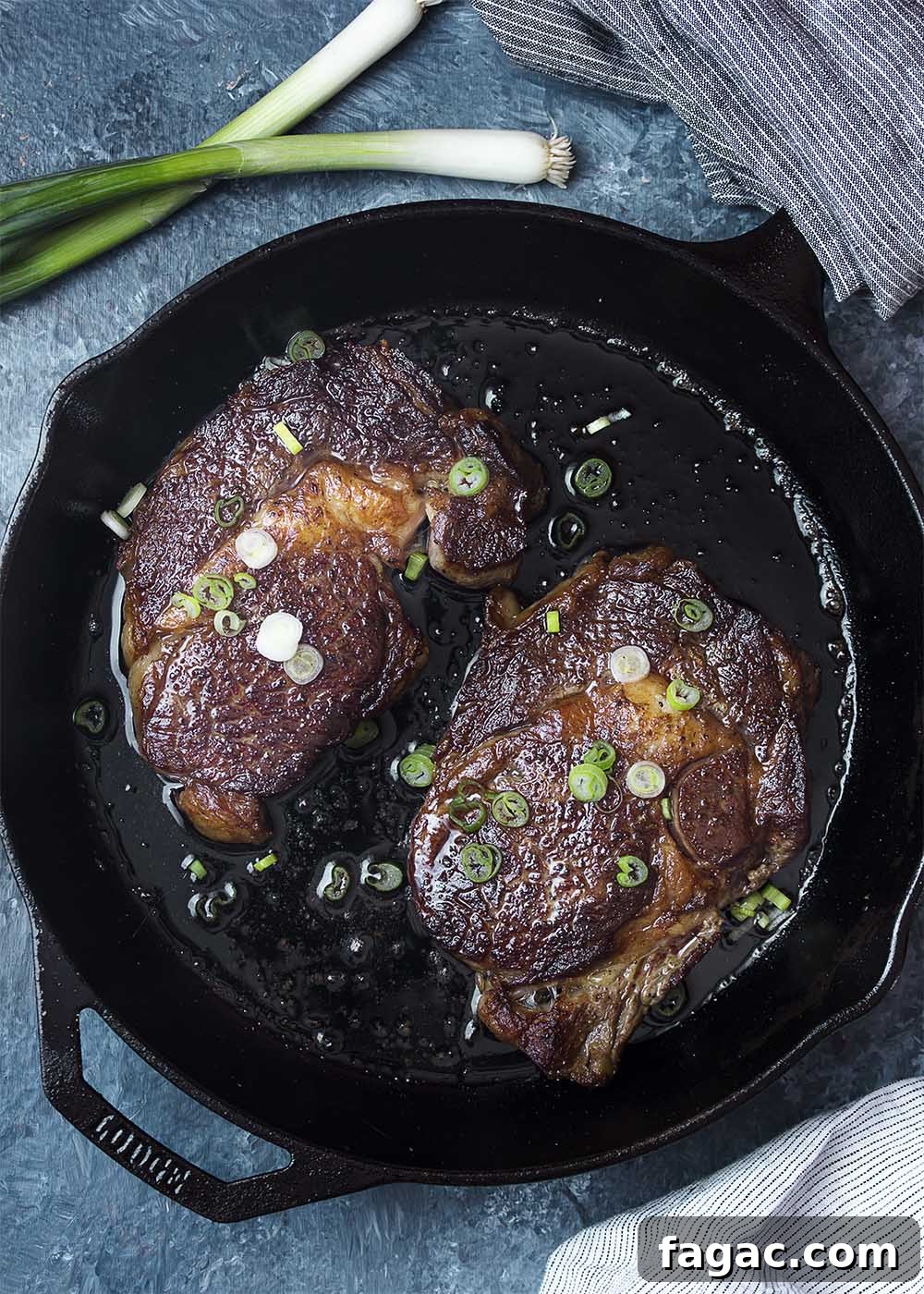
Heat a cast iron or heavy stainless skillet until hot. Add a tablespoon or two of oil, swirl to coat, and add the steaks. Cook in one-minute intervals, flipping each minute. This frequent turning keeps the interior from overheating while building a consistent crust.
Rough timing: 8–10 minutes total for medium rare, 10–12 minutes for medium. Use an instant-read thermometer to check doneness: about 120°F for medium rare, 130°F for medium. If needed, continue flipping and checking every minute or two until you reach the target temperature.
A couple of useful tools: an instant-read thermometer and a good cast iron skillet.
3. Make the horseradish sauce
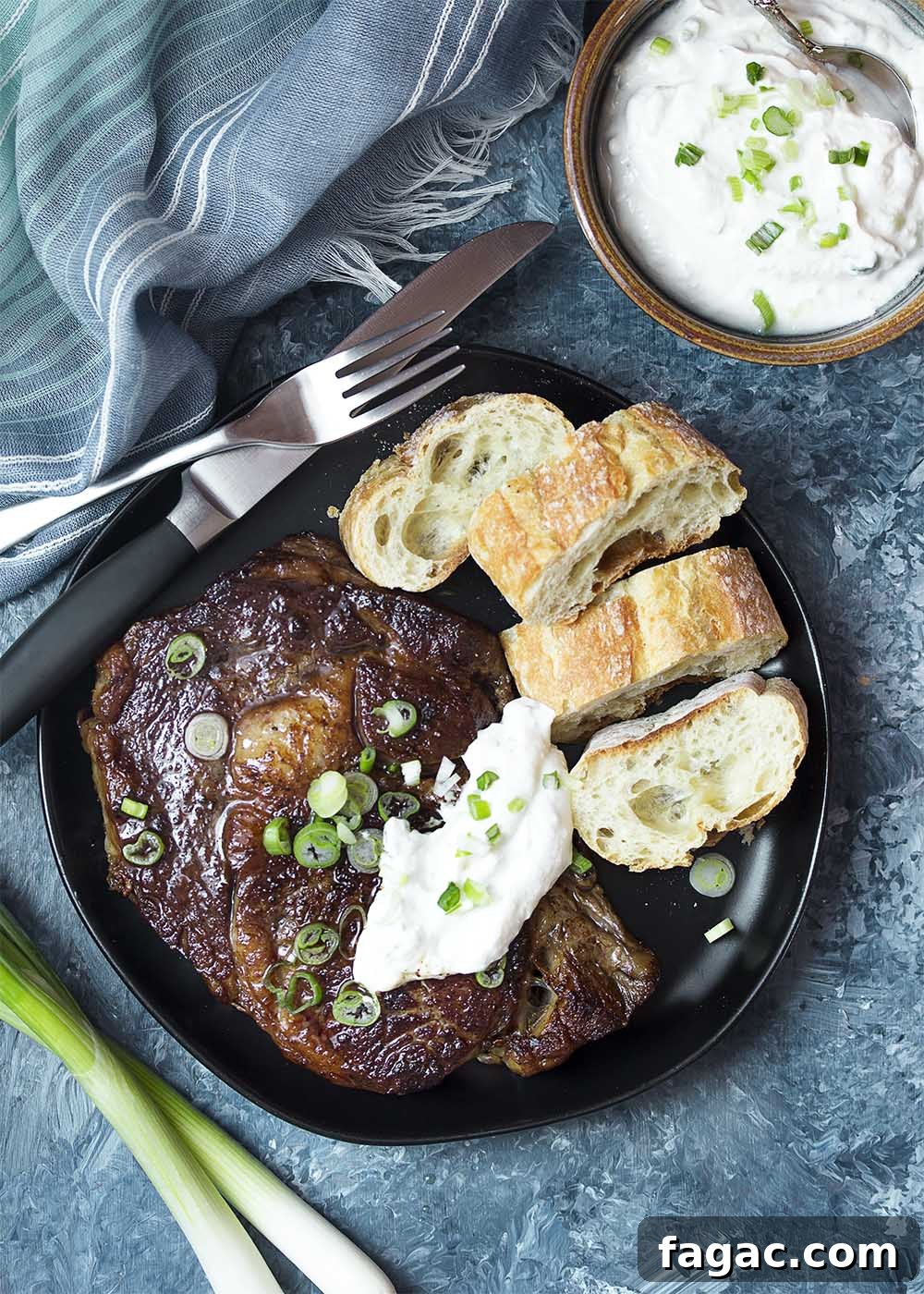
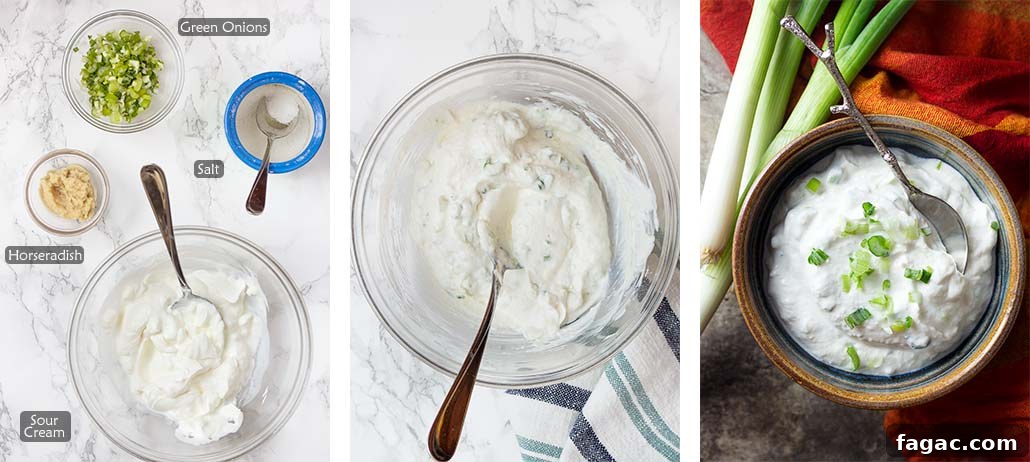
Whip up this simple sauce while the steaks brine. Combine sour cream, a couple of spoonfuls of prepared horseradish, sliced scallions, and a pinch of kosher salt. Start with smaller amounts of horseradish and scallions, taste, and adjust. The sauce can be made a day ahead or just before serving. Chives are a good substitute for scallions in summer.
What oil is best?
Pick an oil with a high smoke point—peanut, canola, basic vegetable, or sunflower oil are reliable choices. Avoid extra virgin olive oil and regular butter for the initial sear unless butter is clarified; you can always add a bit of regular butter at the end for flavor.
What to serve alongside
Pair the steak with any simple vegetable or starch you enjoy. Some excellent options are roasted baby potatoes, roasted Brussels sprouts with Parmesan, green bean salad with almonds, a fresh country salad, or creamy mashed potatoes.
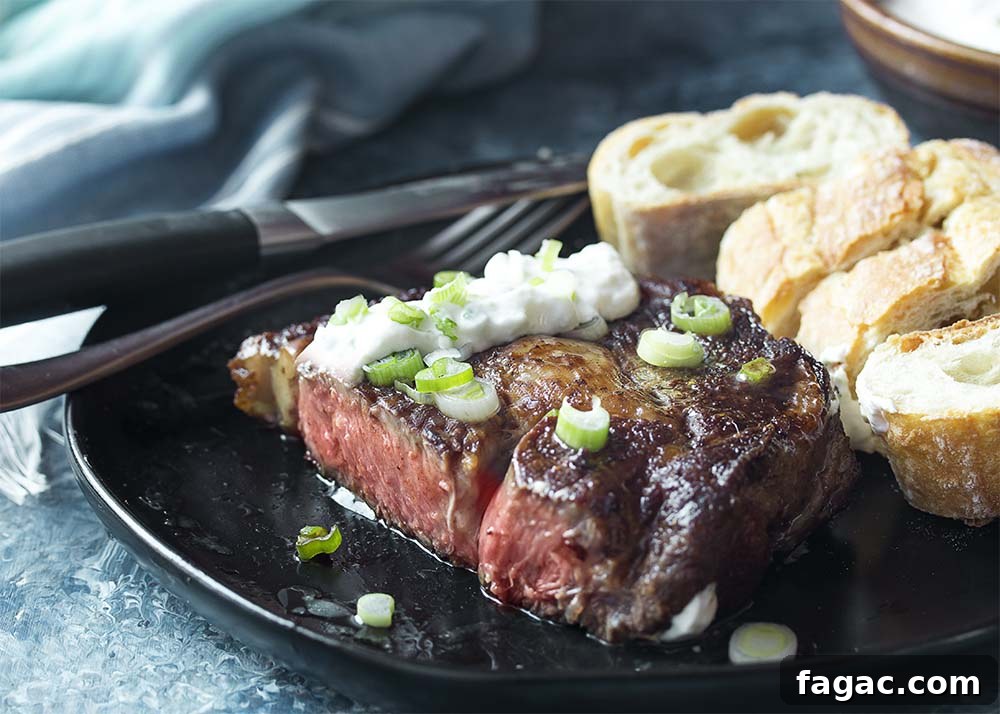
If you try this pan-seared steak recipe, I’d love to hear how it turned out. Leave a comment with your experience or any questions.
– Happy eating, Annemarie

Pan Seared Steak with Horseradish Sauce
5
10
40
55
Ingredients
Steak
- 2 12-oz steaks, 1 1/2 – 2 inches thick
- kosher salt and black pepper
- 1-2 tbsp vegetable oil
Horseradish Sauce
- 1 1/2 cup sour cream
- 3-4 medium scallions, sliced and chopped
- 2-3 tbsp horseradish
- 1 tsp kosher salt
Instructions
Pan Cooked Steak
-
Salt the steak: Pat the steak dry and season both sides with kosher salt and fresh black pepper.
-
Let the steak brine for 40 minutes to 1 hour, or refrigerate up to 1 day and bring out 40 minutes before cooking.
-
Sear the steaks: Heat a cast iron pan over medium heat until it starts to smoke slightly, add oil, and swirl to coat the pan.
-
Add the steaks and cook 1 minute, then flip and cook the other side for 1 minute.
-
Continue cooking and flipping each minute until the steaks have cooked about 8 minutes total.
-
Check the temperature: aim for about 120°F for medium rare or 130°F for medium. If not yet at temperature, continue flipping and checking every minute or two until done.
-
Rest the steaks: Transfer to a plate, tent loosely with foil, and rest for about 5 minutes before serving.
Horseradish Sauce
-
Make the sauce while the steak is brining.
-
Mix sour cream, scallions, horseradish, and salt. Start with smaller amounts and adjust to taste.
-
Serve alongside the rested steak.
Notes
- Types of steak: Ribeye, strip, t-bone, filet, or sirloin all work; weights listed are without bone.
- Heat: For rarer steaks, increase heat to medium-high so they develop a quick crust. Medium heat suits medium rare to medium. For medium-well to well done, reduce to medium-low to avoid excessive browning.
- Set a timer: Use a timer and flip whenever it counts down a minute to keep a steady rhythm.
- Sear the sides: Hold the steak with tongs and press the edges against the pan to brown the sides before the steak reaches temperature.
- No cast iron? Use a heavy stainless skillet and test heat by dropping a few drops of water—if they bead and dance, the pan is ready for oil.
- Green onions: Substitute chives if preferred; about a tablespoon of chopped chives works well.