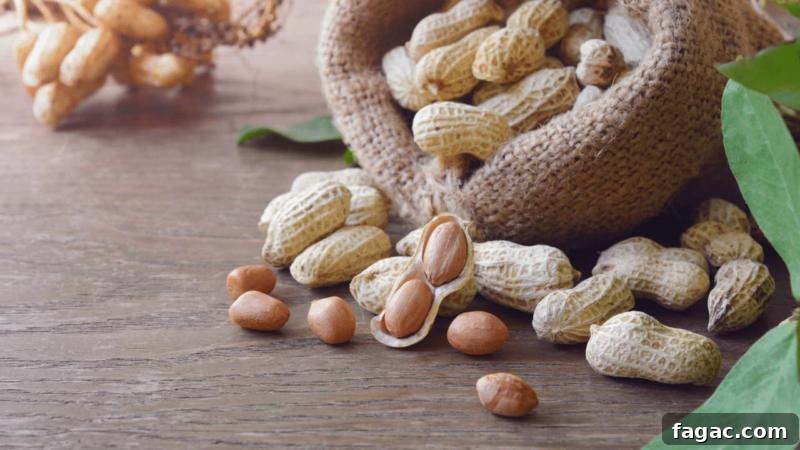
Raw peanuts make a versatile, nutritious snack you can enjoy at home or on the go.
They can be boiled, blanched, roasted, or incorporated into a wide range of recipes—from peanut butter and salads to baked goods and party snacks.
Before using raw peanuts, it’s important to store them correctly to preserve flavor and prevent spoilage.
Table of Contents
How To Store Raw Peanuts?
Store raw peanuts in an airtight container kept in a cool, dry place. Shelled peanuts can be stored in the refrigerator or freezer for up to six months.
How Do You Prepare Raw Peanuts?
Raw peanuts are very versatile when prepared correctly. Start by rinsing them in warm water and fully drying them before cooking or storing.
For roasted-flavored peanuts, spread a single layer on a baking sheet, season as desired, and roast at 350°F (175°C) for about 20 minutes, stirring once or twice for even browning. Roasting boosts flavor and increases antioxidant availability.
How To Store Raw Peanuts In The Shell
Peanuts in their shells can contain up to three kernels per shell. Left unroasted and kept dry, in-shell peanuts generally last longer than shelled ones because the shell provides natural protection.
Keep peanuts away from moisture and humidity, which encourage rancidity and mold. If you harvest peanuts at home, dry them on a tray in a warm, airy spot for two to three weeks until the shells feel brittle. Store purchased in-shell peanuts directly in an airtight container in a dark, cool cupboard—avoid humid places like under the sink or near the stove.
Can You Freeze Raw Peanuts?
Though high in fat, raw peanuts can be stored in the freezer for up to six months. The fats do not solidify into a hard block the same way water-based foods do, so peanuts removed from the freezer won’t require lengthy defrosting.
Freeze raw peanuts preferably in their shells and use airtight freezer bags. Fill bags only about three-quarters full to avoid crushing, and ensure a tight seal—zipper-style bags with a slide lock are most reliable.
Preventing Spoilage
Peanuts are legumes with a high oil content, which means they are vulnerable to spoilage if exposed to heat, light, or moisture. Heat accelerates oil breakdown and rancidity; moisture promotes mold growth.
Mold-contaminated peanuts can produce aflatoxins, a harmful compound, so it’s important to inspect peanuts before use. Commercial peanuts are typically screened for aflatoxins, but home storage precautions still matter.
Refrigeration extends shelf life substantially—refrigerated peanuts last about three times longer than those stored at room temperature. Whether shelled or unshelled, keep peanuts in airtight containers to maintain freshness; shells do not significantly change refrigeration lifespan.
Are Raw Peanuts Good For You?
Raw peanuts are nutritious and a convenient source of healthy fats, protein, and fiber. They also provide B vitamins, magnesium, potassium, and phosphorus. Consumed in moderation, peanuts can be part of a healthy diet.
Be cautious if you or someone you serve has never eaten peanuts before—nut allergies can cause serious reactions. Try a small amount initially if allergy status is unknown.
Conclusion
With proper storage and handling, raw peanuts stay fresh longer and remain safe to eat. Keep them dry, cool, and sealed—refrigerate or freeze shelled peanuts for extended storage.
Raw peanuts are excellent for making homemade peanut butter, adding to salads or baked goods, or simply enjoying as a snack. Learn to recognize signs of rancidity or mold so you can discard any peanuts that have gone bad.
Frequently Asked Questions About Raw Peanuts
How Long Can Peanuts Be Stored In Their Shell?
Unroasted peanuts in their shell can be stored for approximately 6 to 12 months if kept cool and dry. Once roasted, peanuts are best used within about four weeks for optimal flavor.
How Can You Tell If Raw Peanuts Are Bad?
Signs of spoiled peanuts include a bitter or unpleasant taste, off odors, visible mold, or discolored kernels. If any of these signs appear, discard the peanuts immediately.