

European products often carry a certain cachet—Swiss chocolate, Belgian waffles, Italian marble—and baby formulas from Europe are no exception. Lately, many parents have been talking online about European formulas, noting that some ingredients allowed in the US are restricted or banned in Europe. That raises the question: are European infant formulas truly better, or does their reputation simply make them more desirable?
The best way to answer is by looking at ingredients, regulation, and practical considerations so you can make an informed choice with your pediatrician.
European Baby Formula Brands Are Becoming Popular
Many US parents import baby formula from Europe, driven by a perception that European brands use higher-quality ingredients or stricter standards. This belief is partly rooted in the fact that European regulations on allowable additives differ from those in the US and are often seen as more restrictive.
But On The Other Hand…
There’s a contrasting view that European formulas may lack certain nutrients or aren’t approved by US authorities. Both perspectives have some basis in fact, but neither tells the full story. Below I’ll clarify key differences so you can weigh benefits and trade-offs.
Is European Baby Formula Nutritionally Superior?
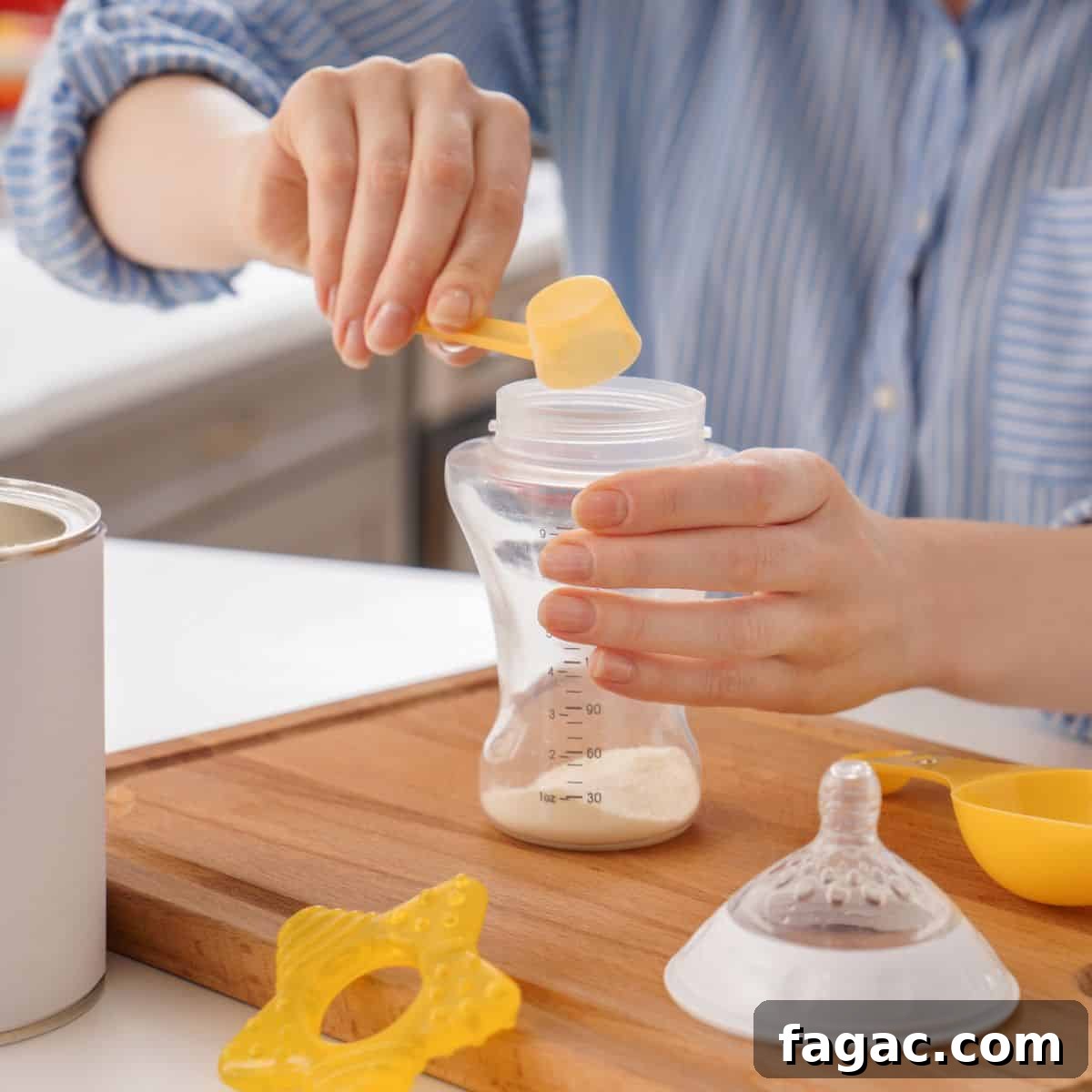
From a nutritional standpoint, US and European baby formulas are largely similar. Both regions require formulas to provide the nutrients infants need through their first year. One distinction is how formulas are labeled by age: many European brands split products into 0–6 months and 6–12 months, while US formulas commonly cover 0–12 months in one product. These groupings can lead to small differences in nutrient amounts, such as iron, but nothing that should cause alarm when choosing a regulated product.
US vs. EU: Alternative Milks & Protein Sources
European markets offer a wider range of formulas with alternative protein sources, including more goat milk formulas and options using whole milk from pasture-raised cows. In contrast, many US formulas use skimmed cow’s milk with added fats from oils to recreate the fat profile.
US vs. EU: Sugars in Baby Formula
The EU restricts corn syrup in infant formula and requires that a portion of carbohydrates—typically around 30%—come from lactose, the natural sugar found in breastmilk. The US allows corn syrup-based carbohydrates more commonly. Lactose-based carbohydrates are intended to mimic breastmilk more closely, which is why some parents prefer European formulations.

Are European Baby Formulas Regulated?
Yes. The European Food Safety Authority (EFSA) oversees food safety and sets standards for infant formula in the EU, similar to how the U.S. Food & Drug Administration (FDA) operates in the United States. In some respects EFSA regulations are more restrictive than FDA rules. It’s important to know that European formulas are regulated, even though they are not regulated by the FDA.
Additives in US and European Baby Formula
Additives in formula often play important roles in growth and development, so “additives” themselves aren’t inherently bad. However, the types and amounts of additives can differ between US and European products. Key differences include DHA, iron, and thickeners.
#1 DHA
European formulas are required to include DHA, an omega‑3 fatty acid important for brain development. In the US, many formulas add DHA voluntarily, but it is not universally mandated. Choosing a formula with DHA is generally recommended.
#2 Iron
European formulas often contain lower iron levels than US formulas because European pediatric guidelines set different recommendations than the American Academy of Pediatrics. If your baby uses a European formula, your pediatrician may advise monitoring iron status or introducing iron-rich complementary foods or supplements after six months.
#3 Thickeners
European brands tend to avoid thickeners such as gums and carrageenan, while some US formulas use them to modify texture or flow. Regulatory bodies consider these thickeners safe at the concentrations used in infant foods, but parents who prefer to avoid them may favor European options.

Importing Baby Formula Into The US Is Okay—But Be Cautious!
Importing European formula into the US is possible, but it carries considerations. European products are regulated by EFSA, not the FDA, and the FDA cannot verify how imported products were stored or shipped. Because of that, the FDA cautions about imported formulas and places the responsibility for safety on parents when purchasing from foreign sources.
Safety Tips for Importing Formula
- Buy from reputable, authorized sellers—avoid obscure or unverified vendors.
- Do not purchase secondhand or from individuals who personally import products for resale.
- Have formula shipped directly from the manufacturer or an approved distributor, or from a reputable warehouse in the US when possible.
So…Should you buy US or European Infant Formula? It Depends!
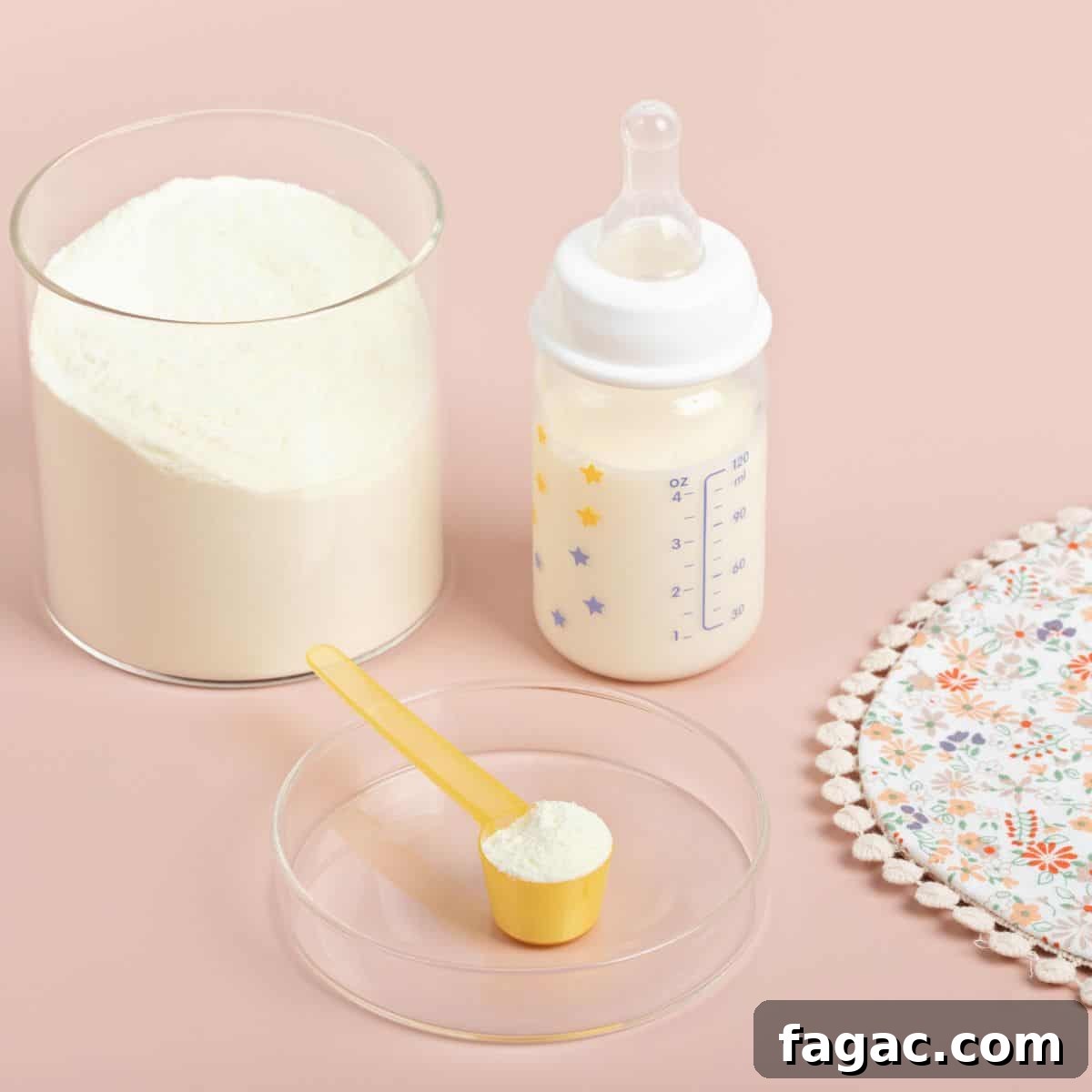
Talk with your pediatrician first—always. Both US and European infant formulas are formulated to support infant growth when they meet regulatory standards. The right choice often comes down to your priorities: preferred protein sources, carbohydrate profiles, whether thickeners are acceptable, iron levels, and cost.
There are high-quality US-made formulas that emulate European styles and standards, so importing isn’t the only way to access formulas that align with your preferences. Ultimately the best formula is the one your baby tolerates, supports healthy growth, and fits your budget and values.
A note on choosing the best formula
Babies respond differently to formulas: one infant may thrive on a chosen brand while another develops gas, spit-up, or constipation. It’s normal to try more than one option to find the best fit. If you need to switch, that’s okay—finding a formula your baby digests well is the priority.
Related: [Podcast] Weaning Off Breastfeeding with Lactation Consultant Erica Campbell
Are you ready to start solids?
When it’s time to introduce solid foods, resources and guides can help you decide between purees, baby-led weaning, and suitable first foods, as well as safety and allergy considerations. A structured guide can make the transition smoother whether you plan to mix approaches or focus on one method.
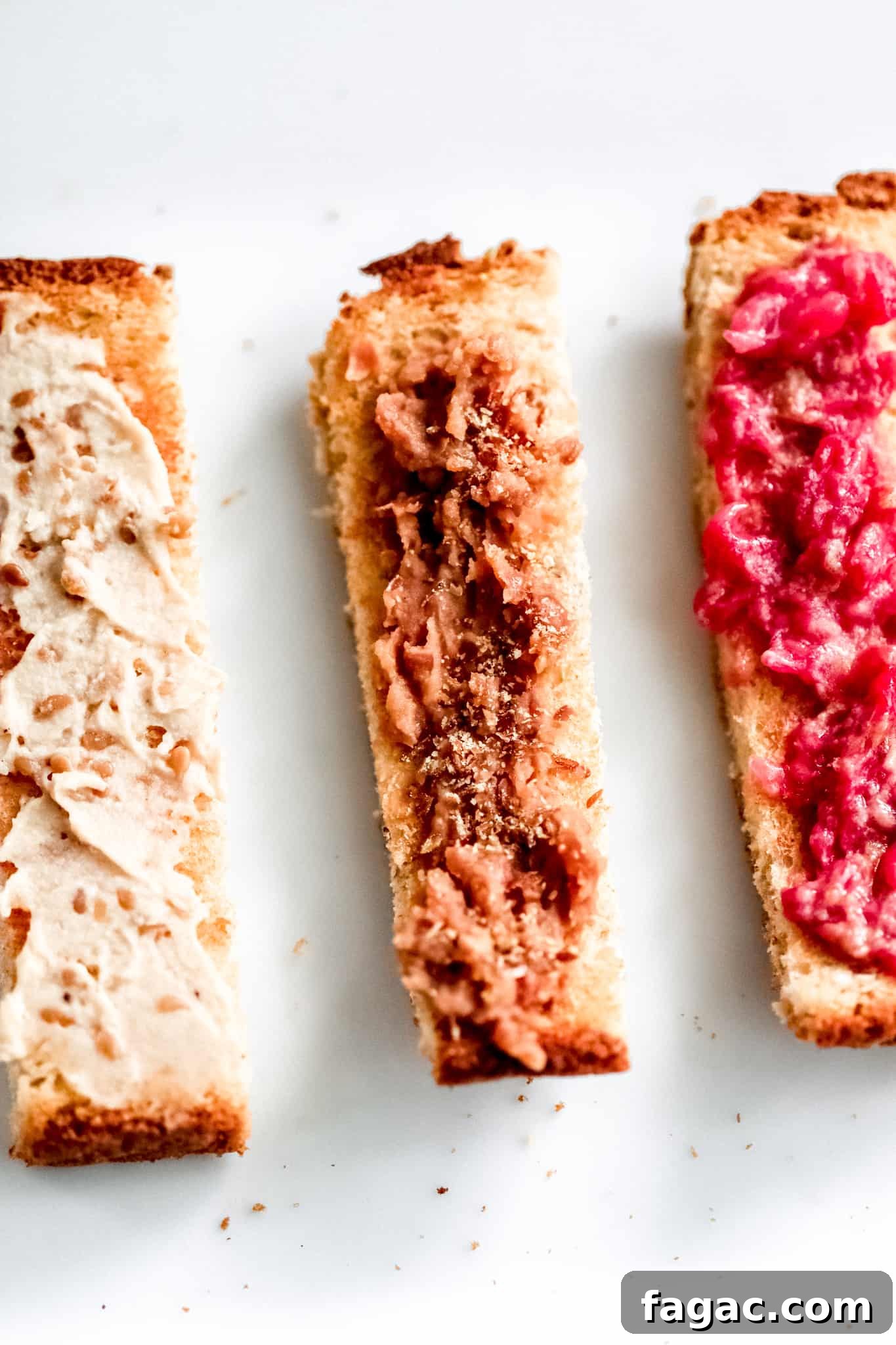
For many families, free quick guides or detailed articles are helpful next steps to build confidence as you start solids and continue feeding your baby well.