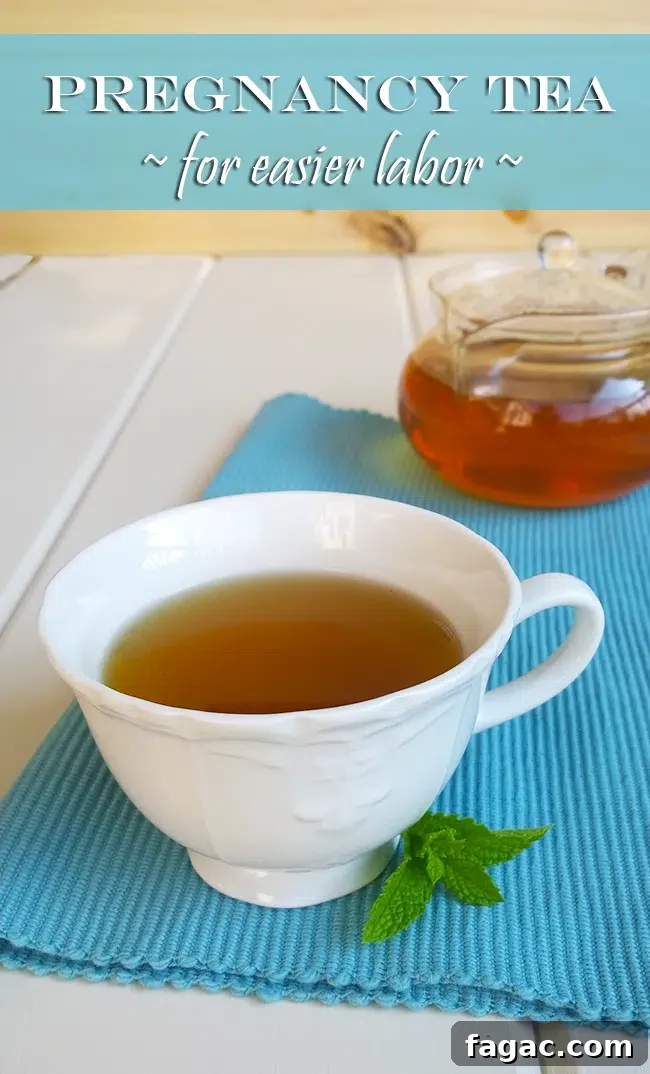
Most expectant mothers welcome anything that may help make labor shorter and more manageable. In addition to a balanced diet, certain herbs have long been used to support pregnancy and ease childbirth. I often enjoyed a calming lavender milk tea in my third trimester, and this nutrient-rich pregnancy tea blend is another gentle option to consider as you prepare for delivery.
Nettle
Nettle is a nourishing, mineral-rich herb commonly used during pregnancy to help support iron levels. It supplies potassium, calcium, magnesium and silicic acid, making it a valuable nutritive ally. Because nettle can stimulate uterine activity, moderate use is recommended during pregnancy rather than large amounts.
Red raspberry leaf
Red raspberry leaf is the cornerstone of many pregnancy tea blends. Traditionally used to tone and support the uterus, it may help prepare the body for labor and assist the uterus in contracting back to its normal size after birth. Research has suggested benefits for labor outcomes; for example, one study found that women who used raspberry leaf were less likely to require interventions such as artificial rupture of membranes, cesarean section, forceps, or vacuum-assisted birth compared with a control group.
Alfalfa
Alfalfa has an earthy flavor and is dense in nutrients like carotene, trace minerals, and calcium. It is thought to have balancing effects on hormones and is traditionally used to support lactation and improve breastmilk quality, which makes it a useful addition to a pregnancy tea blend.
Oatstraw
Oatstraw is another nutritive herb valued for its broad mineral and vitamin profile, including silica, magnesium, phosphorus, chromium, iron, calcium, B vitamins, and vitamins A, C, E, and K. It supports muscle and tissue health, which can help tone the uterus in preparation for labor. Oatstraw is also traditionally used to strengthen the nervous system during stress and to promote restful sleep.
Spearmint
Spearmint contributes a fresh, minty flavor to the blend without some of the contraindications associated with larger amounts of peppermint. Herbalists and midwives commonly include spearmint in pregnancy teas because it soothes digestion and adds a pleasant aroma and taste without interfering with breastfeeding for most women.
Rosehips
Rosehips bring a bright, fruity tartness to the tea and are an excellent natural source of vitamin C, potassium, calcium, magnesium and folate—nutrients important for immune support and fetal development. Their flavor helps balance the blend while adding nutritional value.
How to use it
Herbal use is typically avoided in the first trimester unless recommended by a qualified practitioner. Many women choose to drink pregnancy teas more freely during the second and third trimesters to help prepare the body for labor. You can brew a quart in the morning to sip through the day, hot or iced. If sleeplessness or anxiety is a concern, consider pairing this with a pregnancy-safe bedtime blend to support relaxation.

Pregnancy Tea
Ingredients
-
¼
cup
Spearmint leaves -
2
Tbsp
Rosehips -
2
Tbsp
Nettle leaves -
2
Tbsp
Alfalfa -
2
Tbsp
Oatstraw -
2
Tbsp
Red raspberry leaf
Instructions
-
Combine all herbs in a large glass jar and mix well. Store in a cool, dry, dark place.
-
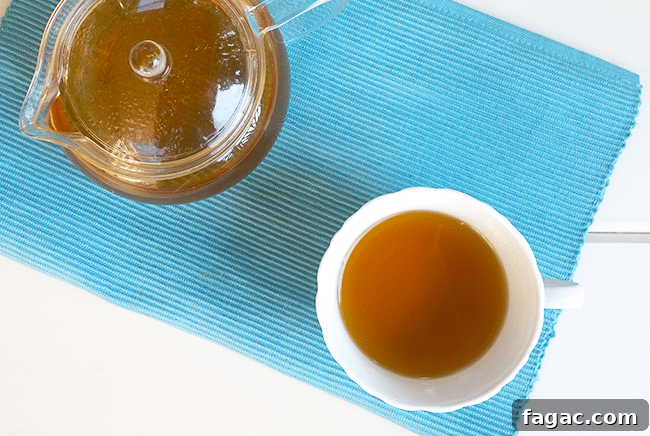
To brew, place 1.5 teaspoons of the herb blend in 8 oz (about 1 cup) of boiling water. Cover and steep for 10 minutes, then strain before drinking.