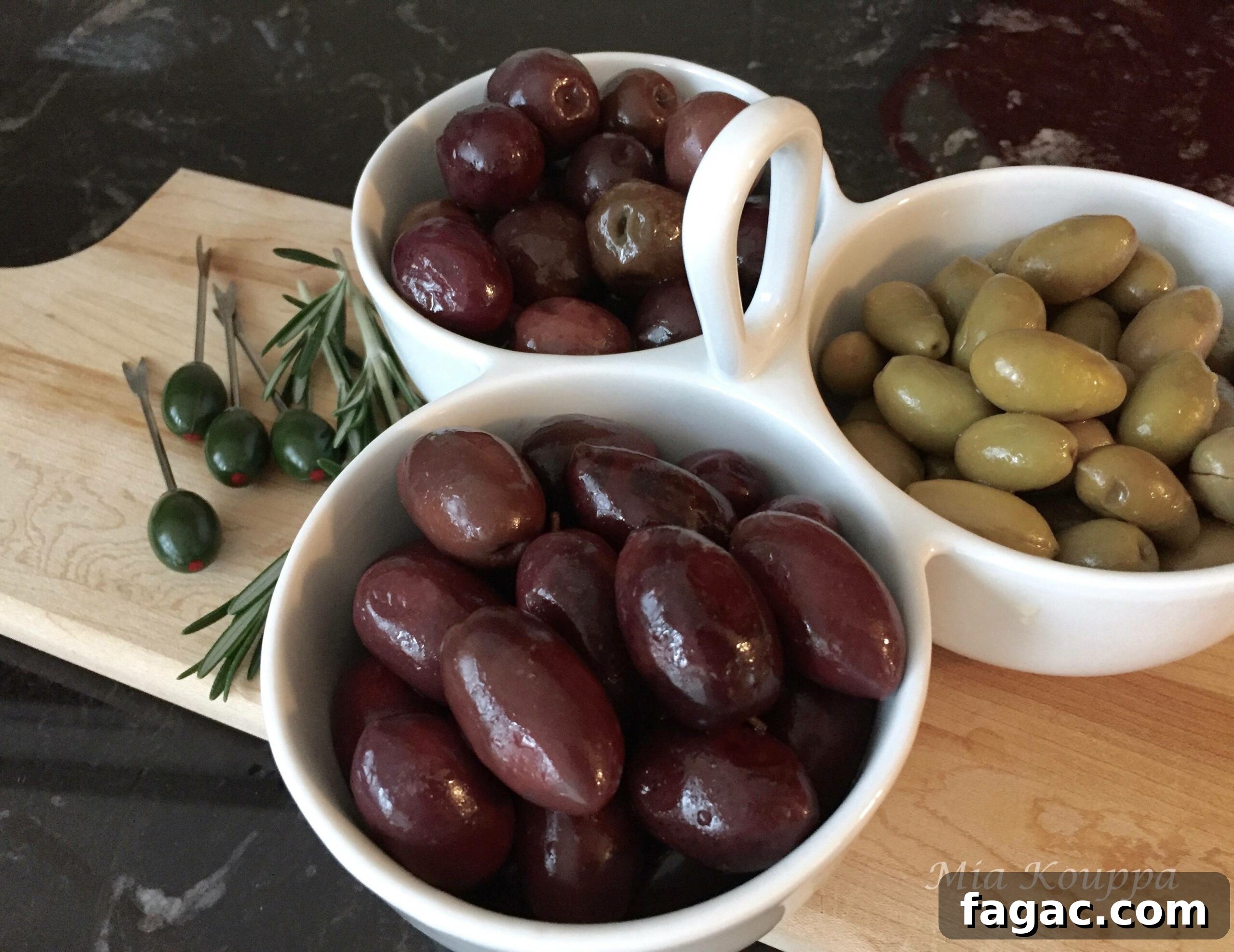
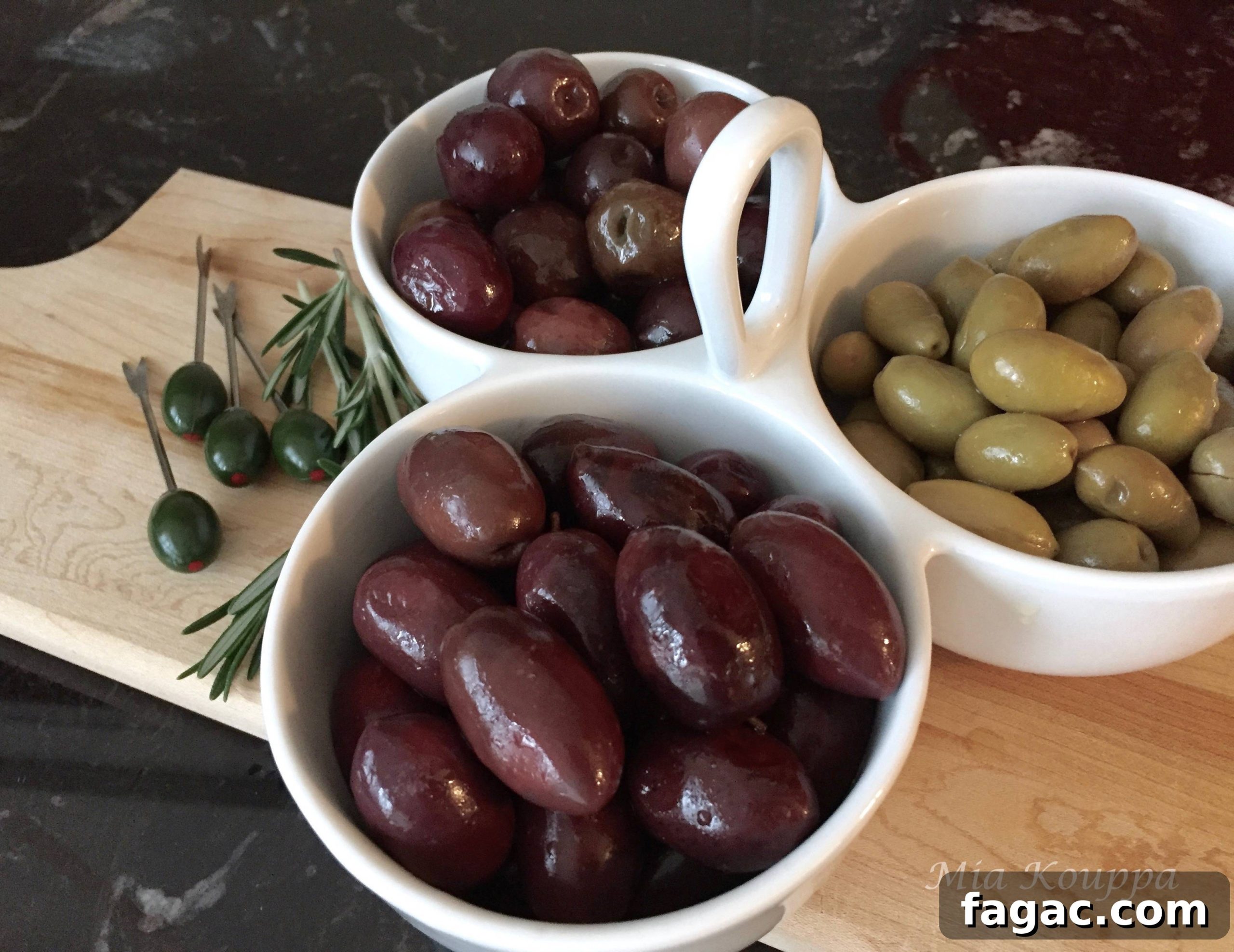
Is there any food that represents Greek culture, tradition and lifestyle better than the olive? For millennia the olive has been central to Greek life — to our kitchens, rituals and stories. One of the best-known myths underscores its importance: when Poseidon and Athena competed for patronage of the city ruled by King Cecrops, Poseidon struck the ground and produced a salty spring, while Athena drove her spear into the rock and an olive tree grew. The people chose Athena’s gift because it provided fruit, oil and timber, and the city was named Athens in her honour. Some legends even claim this was the very first olive tree in the world. Today, estimates place the number of olive trees (Olea europaea) in Greece at close to 120 million, a testament to the tree’s enduring place in the landscape and livelihoods of the country.
Olive trees are remarkably long-lived: typical life expectancy ranges from 300 to 600 years, and many trees survive a thousand years or more. Some sources point to an ancient olive in Pano Vouves, Kolymvari, Chania, often cited as several thousand years old. Cultivation stretches back millennia, and while techniques have evolved, harvesting remains a community and family activity in many places. Olives are grown both for oil and as table fruit, and harvesting rituals continue to shape rural life.
Olives are a staple of the Greek pantry. Sophocles once called the olive “the tree that feeds children,” and it’s common for Greek children to snack on olives from an early age. No matter the meal or the hour, olives typically find their way to the table.
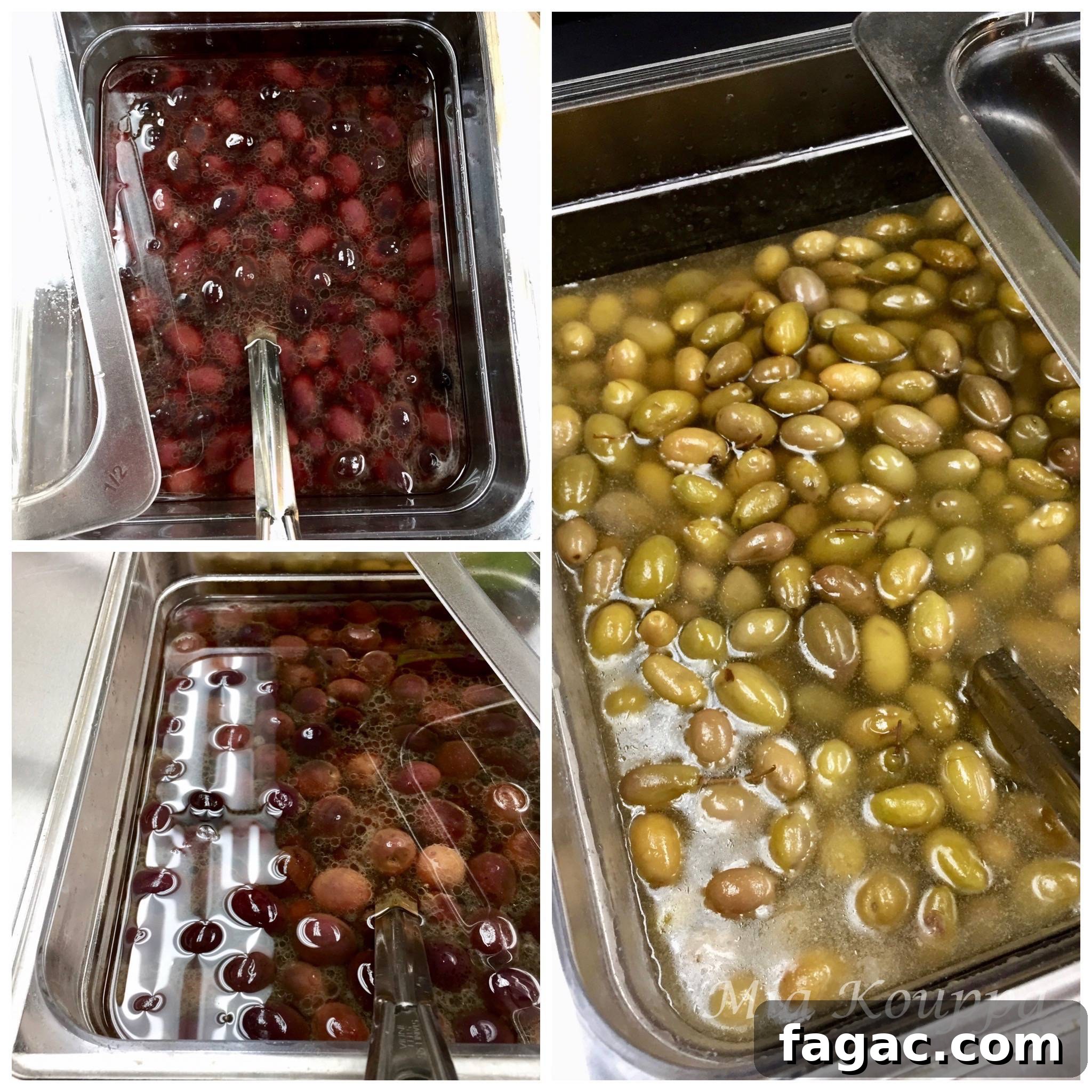
Here are some useful facts about olives:
Olives are drupes — fruits with a single central stone that contains the seed, like plums and cherries.
There are no “green olive trees.” The colour of an olive reflects its ripeness at harvest. Green olives are unripe when picked; if left to mature, they will change colour, eventually turning red, purple or deep black when fully ripe.
You shouldn’t eat an olive straight from the tree. Fresh olives contain oleuropein, a bitter compound that makes them very unpleasant raw. All edible olives must be cured, a fermentation or treatment that reduces bitterness and develops flavor. Common curing methods include:
Brine curing — fully ripened olives are fermented gradually in salt water for up to a year, producing balanced, tangy flavors.
Water curing — a lengthy process of repeated soaking and rinsing in water; time-consuming and more expensive but effective for removing bitterness.
Dry curing — olives are packed in salt for months, which draws out moisture and bitterness; after desalting they are often stored in olive oil for richness.
Lye curing — a commercial method using an alkaline solution to speed debittering; efficient and inexpensive but sometimes leaves a chemical aftertaste.
Sun or air curing — olives are dried on the branch or laid out in the sun after harvest; this traditional method is slow and less common due to cost and time.
Greece cultivates around 100 olive varieties. Most are oil-producing types, while several popular varieties are grown specifically as table olives. If your experience of olives is limited to the bland, pitted black ones sold canned in some markets, don’t assume you dislike olives — many Greek varieties offer vivid, distinctive flavors. A few notable table varieties include:
Kalamata olives
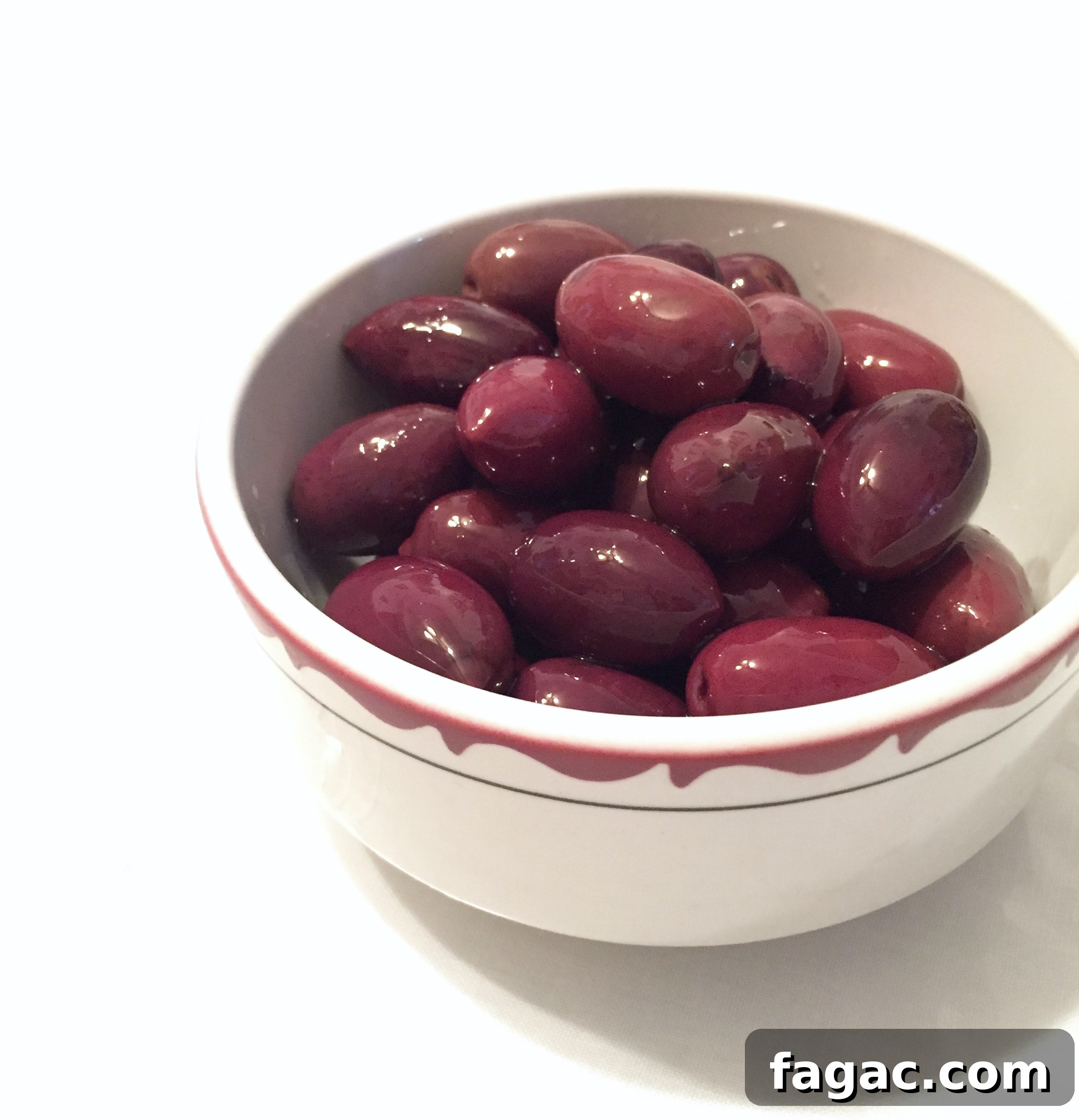 Kalamata olives, named after the city of Kalamata in Messinia, are among the most famous Greek olives. In the European Union they enjoy PDO (Protected Designation of Origin) status. Typically harvested by hand to protect their glossy, deep purple skin, Kalamatas have an almond shape and are often preserved in red wine vinegar, red wine or olive oil. They are usually split and have a rich, fruity flavor that has earned them the reputation as the “king” or “queen” of Greek table olives.
Conservoelia varieties
The largest group of olives in Greece falls under the Conservolia category, which includes Amphissa, Agrinio, Stylida, Volos and Atalanti types. These olives tend to be large and oval, with colors ranging from green to dark red or bluish-black. Amphissa olives, grown in the hills around Delphi, are especially prized: harvested very ripe, they offer a fruity flavor and a tender texture that seems to melt in the mouth.
Tsakistes
Tsakistes are part of the Megaritiki family and are cultivated mainly in the Attica region. Always cured while green, they are commonly served with lemon and garlic, offering a bright, savory bite.
Thassos olives
Originating from Thassos, the northernmost Greek island in the Aegean, these olives are dark, wrinkled and often sun-dried, then cured with salt and vinegar. Their raisin-like skin and salty, concentrated flavor make them a welcome addition to any table — simply dress with a little olive oil and oregano to highlight their character.
Enjoy.