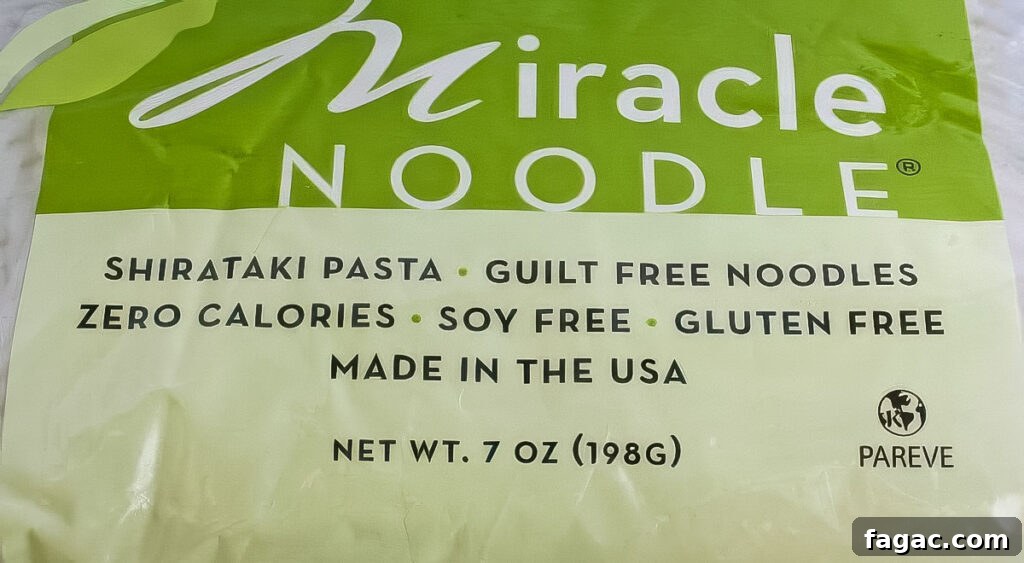
If you love pasta but need to cut carbs, calories, or sugar, Miracle Noodles (shirataki noodles) are worth a close look. Made from the konjac root, these nearly zero-calorie noodles have grown in popularity for being keto-friendly, gluten-free, and very low in carbohydrates. After trying them myself, here is an honest, practical Miracle Noodles review to help you decide if they belong in your pantry.
What Are Miracle Noodles?
Miracle Noodles are a brand of shirataki noodles made from the Japanese konjac plant, a starchy root vegetable. Unlike traditional pasta, these noodles are:
- Grain-free
- Fat-free
- Extremely low-calorie (virtually zero)
- Low in digestible carbs
- Composed largely of soluble fiber (glucomannan)
Because they are mostly fiber, shirataki noodles slow digestion and can help you feel full longer. That makes them an attractive option for anyone aiming to lose weight, manage blood sugar, or reduce carbohydrate intake while still enjoying noodle-based meals. They also fit a wide range of dietary needs—Keto, Paleo, vegan, gluten-free, and more.
Packaging, Smell, and Simple Preparation
Miracle Noodles come pre-cooked in liquid. The packaging liquid can have a slightly odd odor that some describe as fishy; this smell comes from the storage water and not the noodles. A thorough rinse removes it.
Preparation is minimal and convenient:
- Rinse the noodles under warm water for a few minutes
- Drain and toss with sauce or seasonings
- Heat briefly if desired, then serve
For busy weeknights or quick lunches, the speed and ease of prep are major advantages. They’re a practical option when you want a low-effort meal that stays aligned with low-carb goals.
Flavor and Texture: What to Expect
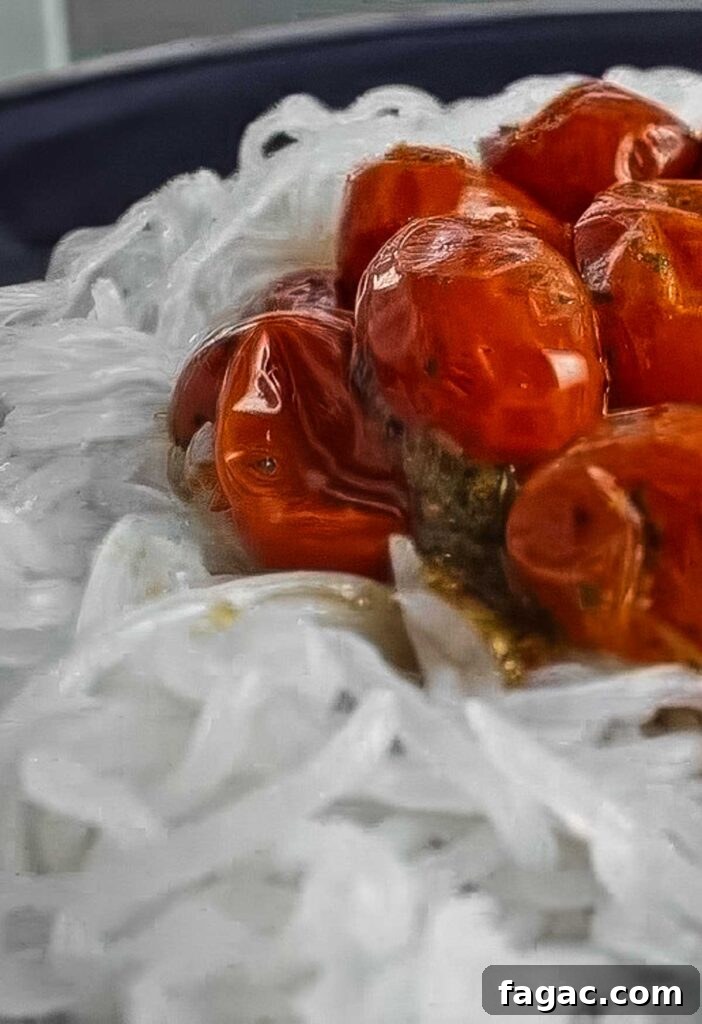
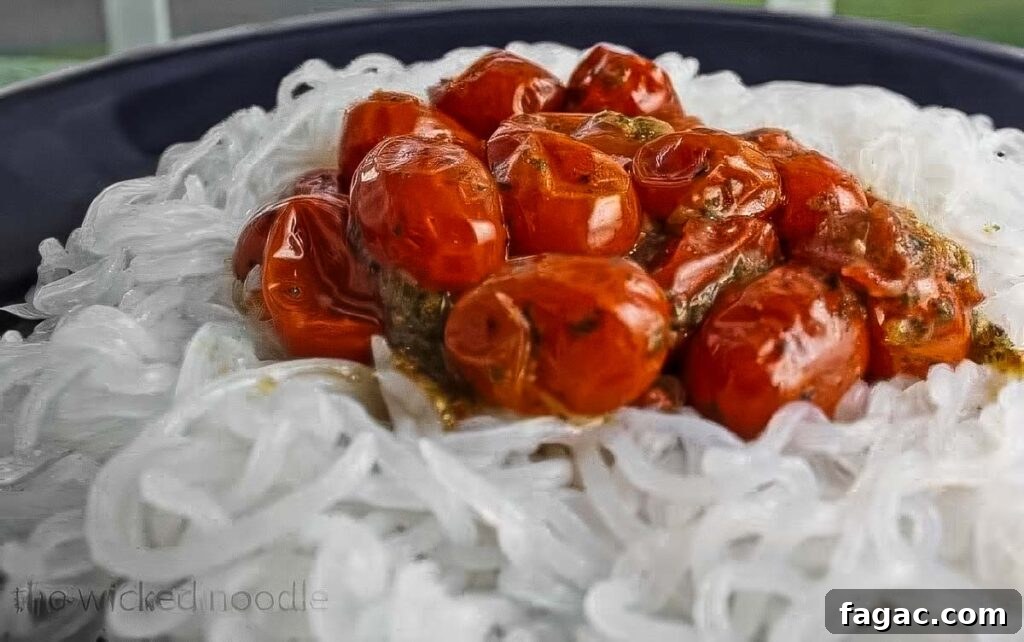
Miracle Noodles do not mimic traditional Italian pasta exactly. Their texture is closer to soft rice noodles or thin vermicelli—springy and slightly gelatinous. Because of this texture, they don’t absorb light, delicate marinara sauces the way wheat pasta does. A plain tomato-and-garlic sauce felt underwhelming in my test.
Where shirataki noodles shine is in bold, strongly flavored preparations. I found they worked exceptionally well with a thick, savory Asian-style sauce—its robust flavors adhered to the noodles and complemented protein like chicken. The key is pairing the noodles with sauces that have enough body and seasoning to cling to them.
Best Uses for Miracle Noodles
To get the most from shirataki noodles, use them in recipes and dishes that match their strengths:
- Stir-fries, noodle bowls, and curry dishes
- Ramen-style broths where the noodles soak up savory soup flavors
- Dishes tossed with soy sauce, sesame oil, garlic, and ginger
- Meals paired with bold proteins like grilled chicken, shrimp, or tofu
- Avoid delicate, thin sauces that rely on pasta to absorb and carry flavor
They are especially useful for quick, low-calorie dinners that still feel satisfying and comforting.
Final Verdict: Are Miracle Noodles Worth It?
Yes—if your expectations match what shirataki noodles do best. They are not a perfect one-to-one swap for traditional pasta in every recipe, but they are an excellent, low-calorie, low-carb alternative for Asian-inspired dishes, hearty sauces, and quick meals that call for noodles.
If you follow a special diet or want a noodle option that won’t spike blood sugar, Miracle Noodles are worth trying. Keep them on hand for fast weeknight dinners, flavorful stir-fries, and any recipe that benefits from bold sauces and lean proteins.
Stock up at your local grocery store or Asian market, and experiment with spicy, savory, and umami-forward recipes to find the combinations you like best.